REVIEW · TOKYO
Full Day Private Tour in Mt. Fuji and Hakone
Book on Viator →Operated by Sora Tours · Bookable on Viator
Mount Fuji days go either great or frustrating fast. This one is built for maximum sightseeing with private comfort, plus you skip the logistics headache of buses and trains. What I like most is the door-to-door pickup from your Tokyo hotel and the way the route hits several different Fuji viewpoints in one day. One drawback to plan for: clear views of Mt. Fuji depend on weather, and fog can shut down the best scenery.
The pacing is hands-on but not hectic. You get an air-conditioned vehicle, an English-speaking driver, and enough stops to see both Hakone’s volcanic side and the Fuji area’s calmer, photo-perfect corners. It’s also geared toward groups that want control, which is why this kind of tour works especially well for families.
If you go in expecting a fixed “bus tour” script, you might feel slightly limited by timing. But if you treat it like a day you can shape, you’ll likely appreciate the flexibility and the fact you’re not spending your precious hours traveling between places.
In This Review
- Quick takeaways for your Mt. Fuji and Hakone day
- Why a private Mt. Fuji and Hakone day feels different from train-hopping
- Price and logistics: what you get for about $455 per group
- Route overview: from Tokyo to Fuji viewpoints, Hakone, and back
- Hakone on your timeline: Lake Ashi calm and Owakudani’s black eggs
- Lake Ashinoko: a scenic pause with optional cruise
- Owaku-dani Valley: volcanic views and the black egg tradition
- Oishi Park and Lake Kawaguchiko: where Fuji photos start to make sense
- Oishi Park: the Fuji perspective most people recognize
- Lake Kawaguchiko: Fuji Five Lakes convenience
- Oshino Hakkai Springs: calm Fuji water after the volcano
- Kitaguchi Hongu Fuji Sengen Jinja: shrine context that makes the views feel deeper
- Saiko Iyashi no Sato Nenba: the craft village stop you’ll remember
- Chureito Pagoda and the 398 stone steps for the classic photo
- What to expect about Mount Fuji weather (and how to plan around it)
- How private guiding changes your day: real flexibility in real time
- What’s not included: plan for lunch, cruises, and ropeway choices
- Who this tour suits best (and who might want a different style)
- Should you book this private Mt. Fuji and Hakone tour?
- FAQ
- What’s the price for this private tour?
- How long is the tour?
- Is pickup and drop-off included?
- Is lunch included?
- Are entrance tickets included for the stops?
- Do I need to pay extra for the cruise or ropeway?
- Is this tour private?
- What happens if the weather is bad for seeing Mount Fuji?
Quick takeaways for your Mt. Fuji and Hakone day
- Private pickup and drop-off from Tokyo hotels saves real time versus “meeting points”
- Hakone’s Lake Ashi + Owakudani package in one sweep gives you both lake views and sulfur-vapor drama
- Oshino Hakkai’s eight springs is a peaceful reset after the volcano stop
- Saiko Iyashi no Sato Nenba adds handmade craft culture, not just views
- Chureito Pagoda photo spot includes the famous stone-step climb for that classic silhouette
Why a private Mt. Fuji and Hakone day feels different from train-hopping
The biggest win with this tour is simple: you don’t have to piece together public transport while you’re chasing the best light. Instead, you ride in an air-conditioned car, and your driver handles the driving and the route decisions. That means more time at sights and less time figuring out schedules.
This kind of private day also makes a difference for group dynamics. With up to four people per booking, you can keep conversations and photo stops moving at your pace. In past trips, guides like Abrar, Abdul, Rab, Khan, Mike, and Ali have been singled out for flexibility and good communication—especially when families needed extra time.
The best part is the “two worlds” mix. You’ll get Hakone’s volcanic atmosphere and lake scenery, then shift into the Fuji region’s shrines, springs, and postcard views.
More Mt Fuji & Hakone tours we've reviewed
Price and logistics: what you get for about $455 per group
At $454.63 per group (up to 4) for roughly 9 hours, the price is really about buying time and convenience. Your package covers round-trip transfers from Tokyo, highway tolls, hotel pickup and drop-off, and an English-speaking driver in a private air-conditioned vehicle.
What it does not include is also important. Lunch and activity tickets aren’t included, and you’ll likely pay extra for options like the cruise on the lake (listed range ¥1200–¥2000) and one-way ropeway (listed ¥1500). In other words, you can keep the day mostly “included,” but you may want to budget for at least one or two paid experiences.
So is it value? For me, the math mostly comes down to: if you’re traveling with family or friends and you want a tight schedule, the private car can be worth it fast. If you’re a solo traveler comfortable with trains, the private factor may feel expensive. But for small groups who want a smooth day, it’s a practical upgrade.
Route overview: from Tokyo to Fuji viewpoints, Hakone, and back
Your day starts with a transfer out of Tokyo. The plan is built around highway driving for speed, with an initial travel segment of about 2 hours before you reach the first major stop area.
From there, the route cycles through a classic Mount Fuji region “greatest hits” pattern:
- Lake scenery (Hakone’s Lake Ashi)
- Volcanic views (Owakudani Valley)
- Fuji spring town calm (Oshino Hakkai)
- A shrine stop with pilgrimage context (Kitaguchi Hongu Fuji Sengen Jinja)
- A traditional craft village (Saiko Iyashi no Sato Nenba)
- Fuji Five Lakes area photogenic views (Lake Kawaguchiko + Chureito Pagoda)
- Then the return back to Tokyo in about 2 hours
The stop durations are short enough to keep momentum, but not so short that you’ll feel permanently rushed. You’ll still want to manage expectations: this is a full day, so you won’t live in one place for hours.
Hakone on your timeline: Lake Ashi calm and Owakudani’s black eggs
Hakone usually hits people in two different moods. First, the slow, scenic mood by the lake. Then the more intense volcanic vibe at Owakudani.
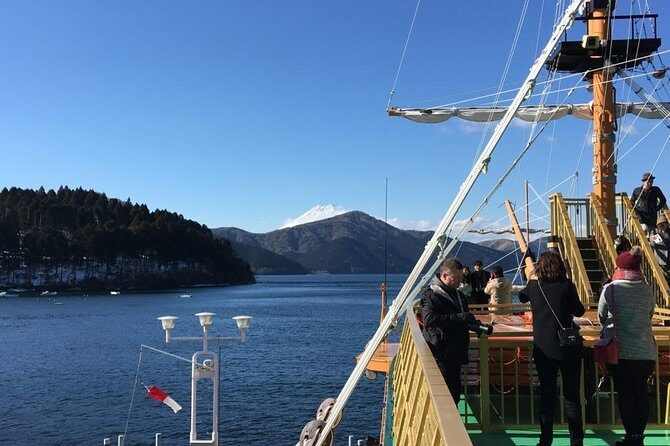
Lake Ashinoko: a scenic pause with optional cruise
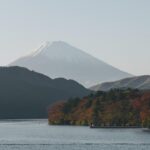
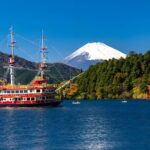
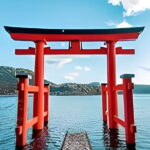
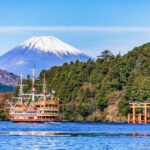
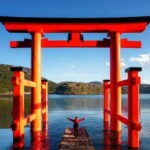
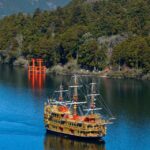
You’ll spend about 30 minutes around Lake Ashinoko (Lake Ashi). This is the moment you get those classic lake-and-mountain sightlines, and it’s also where you can decide whether to add the lake cruise. The cruise price range is listed at ¥1200–¥2000, so you can budget and choose based on the weather and your energy level.
Even when the sky isn’t perfect, the lake area still helps the day feel balanced. You’re not going straight from city heat to sulfur fumes without a breather.
Other Tokyo + Mt Fuji + Hakone combo tours we've reviewed
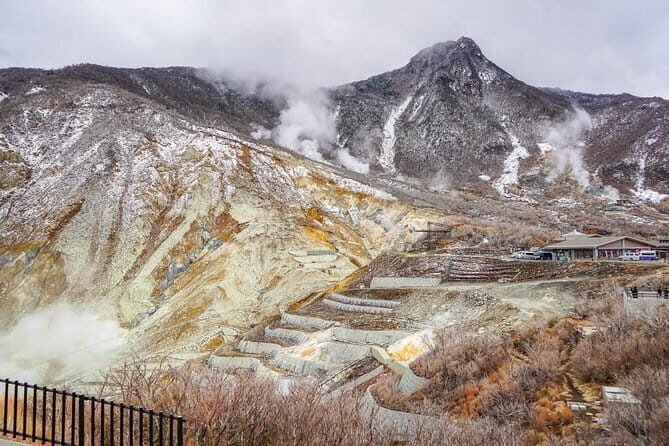
Owaku-dani Valley: volcanic views and the black egg tradition
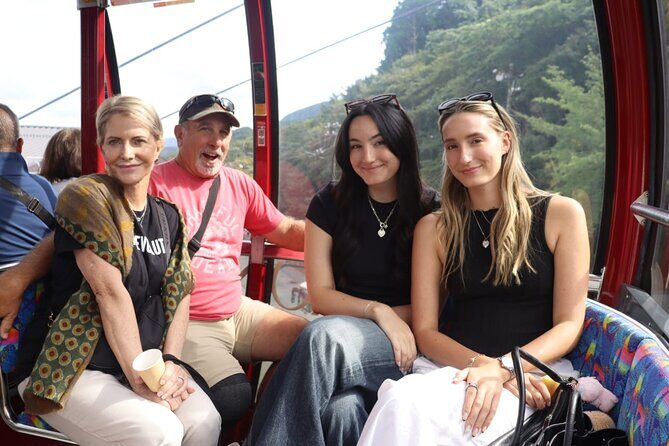
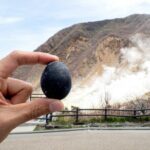
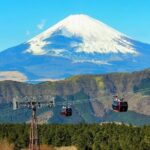
Next up is Owakudani Valley, again around 30 minutes. This is where you’ll likely ride a cable car to see the volcanic landscape. The day includes the popular tradition of trying the black eggs from the sulfur area—an experience that’s more about local flavor and story than about a fancy meal.
If you’re wondering whether to do the paid ropeway or other viewpoints here: my advice is yes, if weather is decent. Volcanic areas tend to look their best when visibility is okay, and the views are the whole point.
One reality check: if fog rolls in, Owakudani can still feel interesting, but the big “Mt. Fuji in the background” payoff might soften.
Oishi Park and Lake Kawaguchiko: where Fuji photos start to make sense
This tour deliberately mixes viewpoints so you’re not stuck hoping for one perfect angle. Two of the most important “Fuji photo logic” spots are Oishi Park and the Lake Kawaguchiko area.
Oishi Park: the Fuji perspective most people recognize
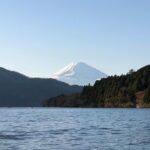
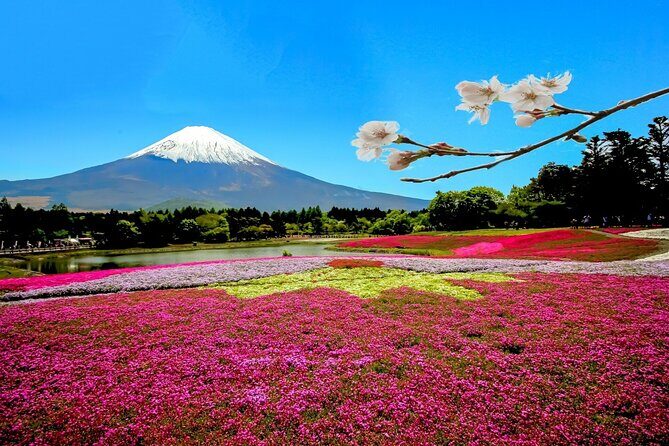
The highlights call out views of Mt. Fuji from Oishi Park, and that matters because Oishi is known for giving a clear, approachable angle compared with many other viewpoints. Even if the mountain is partially obscured, the park area often lets you frame the scene with the surrounding landscape rather than only chasing a single direct sightline.
If you’re photo-focused, this is one stop where you’ll want to take your time for framing. You’re not trying to “check the box.” You’re trying to catch the angle.
Lake Kawaguchiko: Fuji Five Lakes convenience
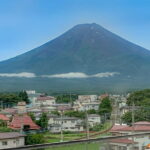
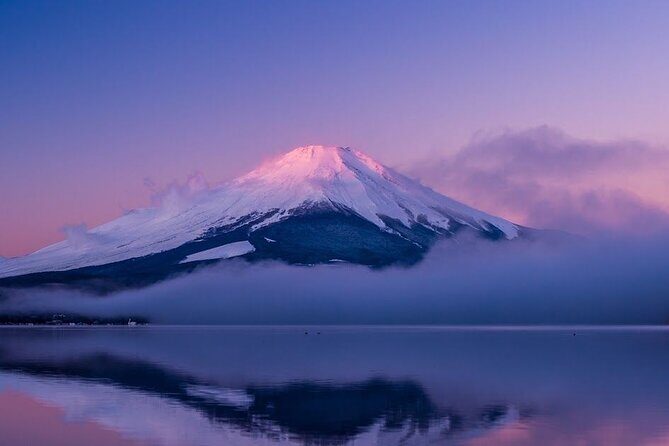
Next comes Lake Kawaguchiko, about 30 minutes. This lake is one of the Fuji Five Lakes, and it’s noted for being easy to access from Tokyo. For you on this private tour, that translates into a smoother schedule and less time wasted.
If you’ve ever tried to connect multiple lakes by public transport, you already know why that matters. Here, the day simply moves you along a path where each location supports the next photo opportunity.
In mid-March conditions (from a past experience), Lake Kawaguchiko views were described as beautiful, though flowering timing affected how much people enjoyed park details.
Oshino Hakkai Springs: calm Fuji water after the volcano
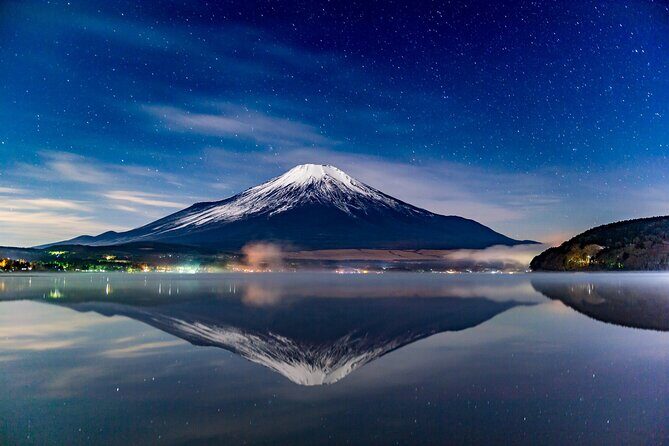
After Hakone’s steam and spectacle, Oshino Hakkai is a total mood shift. You’ll have about 1 hour here.
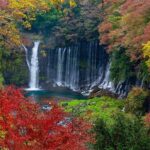
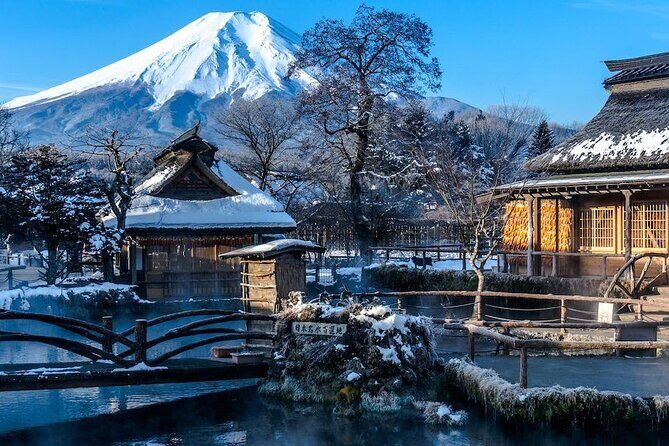
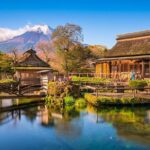
This area is known for its eight springs, fed by Mount Fuji’s aquifer water. The springs bubble up in a way that’s visually soothing and easy to photograph. It’s also the kind of place where you can walk without needing to “beat the crowd” every minute.
What I like about this stop is that it adds “Fuji texture.” It’s not just a view of the mountain. It’s how the region’s water system shapes everyday scenes.
You’ll likely want shoes you can walk in comfortably. This stop is more walking-based than photo-only.
Kitaguchi Hongu Fuji Sengen Jinja: shrine context that makes the views feel deeper
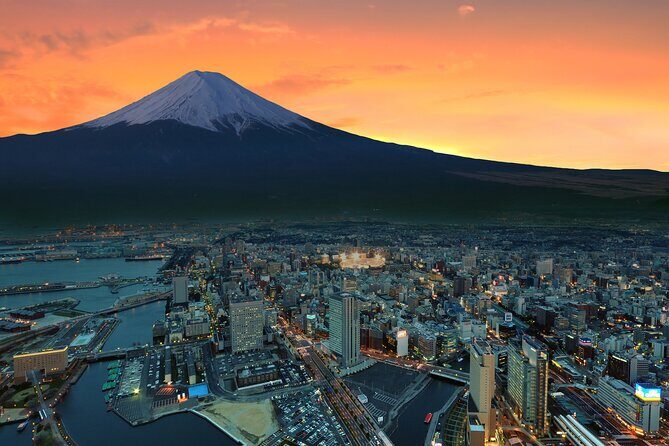
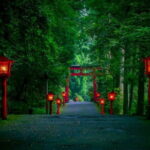
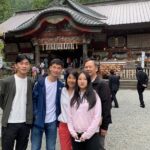
The tour includes Kitaguchi Hongu Fuji Sengen Jinja Shrine, about 30 minutes. This shrine is described as a bridge between people and Mount Fuji, and it’s tied to centuries of pilgrims seeking blessings for safe journeys and successful climbs.
You don’t need to be a religion scholar to appreciate a stop like this. It gives meaning to the “Mt. Fuji as more than a photo subject” idea. Even a short visit helps you understand why locals treat the mountain as something you approach with respect, not just curiosity.
If you get a driver who explains things clearly, you’ll probably get more out of the shrine visit than you expected. In past days on this tour style, people highlighted how guides helped them understand shrine culture and how to slow down at each site.
Saiko Iyashi no Sato Nenba: the craft village stop you’ll remember
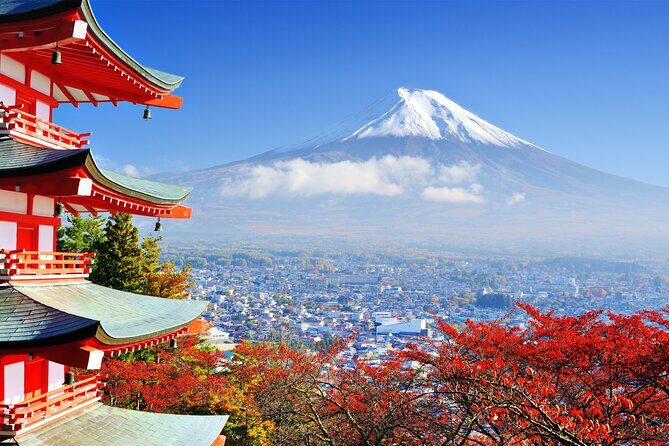
One stop that often separates a good Mt. Fuji day from a memorable one is Saiko Iyashi no Sato Nenba. You’ll spend about 30 minutes here.
This is a traditional village setting focused on crafts. The day’s description mentions things like calligraphy and pottery, plus a look at everyday craft life in an older style. Even if you don’t plan to buy anything, watching the work and seeing the village layout gives your brain a break from constant sightseeing.
In one past experience, the guide recommended food and snacks off the script, which boosted the overall feel of the village stop. That’s the kind of value that private guiding can add: you’re not only seeing objects, you’re also getting suggestions for how to enjoy the area.
If you’re traveling with kids, this stop can be a nice change of pace because it’s more about observing and wandering than climbing steps or riding rides.
Chureito Pagoda and the 398 stone steps for the classic photo
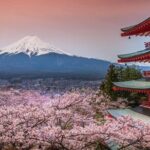
Your final big viewpoint stop is Chureito Pagoda, with about 1 hour there. This is the iconic pagoda scene many people recognize, and it comes with effort: the area is known for the 398 stone steps up to the viewpoint.
Is it worth it? If weather is okay, yes—because you’re earning the photo by getting the height and angle. If you’re not up for steps, talk to your driver right away so you can choose an approach that fits your group.
Also remember: this is the classic shot for a reason. You’ll likely want time at the top even if you take a quick photo. The atmosphere around the pagoda is part of why people love it.
What to expect about Mount Fuji weather (and how to plan around it)
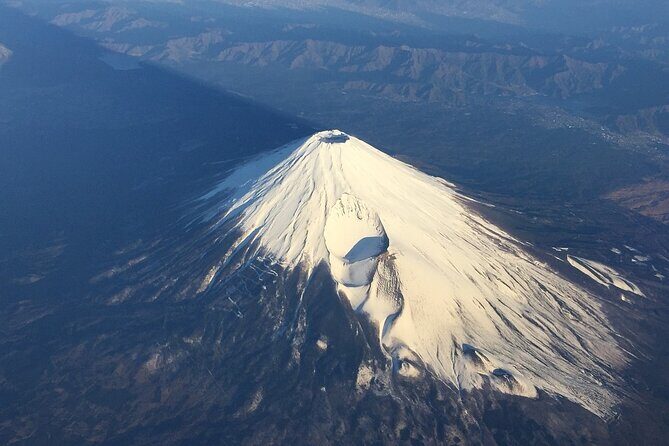
Mount Fuji can be a drama queen. Even on a perfectly planned day, fog or low cloud can reduce visibility. The tour itself notes that it requires good weather, and weather can affect what you see.
So what should you do?
- Build flexibility into your expectations. If Fuji is hidden, you’ll still get Hakone scenery, shrines, springs, and village culture.
- Consider paying for viewpoints when the sky looks promising. Cable car/ropeway areas and lake cruises tend to feel best when visibility is good.
- Keep your schedule mental model simple: you’re doing a full region sampler, not guaranteeing one single perfect mountain moment.
If you’re a “must-see Fuji or nothing” traveler, you’ll feel the weather pressure more. For everyone else, the route still works because it’s not only built around one view.
How private guiding changes your day: real flexibility in real time
One of the strongest themes from the people who did this style of tour is that the guiding isn’t just facts-on-demand. It’s practical support: pacing, photo timing, and small adjustments when your group has special needs.
Examples from past experiences include:
- A guide like Abdul being extra helpful with a toddler, including having a baby seat ready and staying with the child while the rest of the group toured at one stop.
- A guide like Rab being praised for flexibility and building an itinerary around what the group wanted most.
- A guide like Mike being described as great at explaining what to do and when, with attention to timing in crowded areas.
- A guide like Ali being patient with older visitors and also helping find a restaurant that fit needs.
You may not know your exact guide ahead of time, but the point is clear: this tour model is about adapting. If you want longer at a viewpoint, shorter at a museum-like stop, or a different restaurant recommendation, you’re in the right format to ask.
What’s not included: plan for lunch, cruises, and ropeway choices
Even though the day is packed, you should plan your own spending for three things:
- Lunch (not included)
- Activity tickets for add-ons (not included)
- Optional paid rides: lake cruise (¥1200–¥2000 range) and one-way ropeway (¥1500)
This isn’t a downside so much as an opportunity. You can decide based on weather, energy, and what you actually want out of the day. If the mountain is clear and you want the full Hakone effect, you’ll probably choose more of the optional rides.
If you want a lighter day, you can focus more on walkable areas and viewpoints that don’t require paid add-ons. Just tell your driver what matters most, early.
Who this tour suits best (and who might want a different style)
This private Mt. Fuji and Hakone day fits best if you:
- Want a smooth day without train transfers
- Travel as a small group of up to four
- Care about hitting multiple areas like Hakone lake views, Owakudani, Oshino Hakkai, and Chureito Pagoda
- Like the idea of a guide who can adjust timing and make practical suggestions
It may be less ideal if you:
- Are traveling solo and feel the private cost is too high
- Expect zero weather impact on Mt. Fuji visibility
- Prefer long stays at fewer sites rather than a region sampler
Should you book this private Mt. Fuji and Hakone tour?
I think this is a strong booking if your top goal is efficiency with comfort. The package covers the hard part—getting you out of Tokyo and between key sights—and it does it in a way that feels manageable for families and mixed-age groups. Add the possibility of excellent English communication and route flexibility, and you get a day that’s easier than doing it yourself.
Before you book, look at your priorities:
- If Mt. Fuji visibility is everything for you, keep weather expectations realistic.
- If you want optional rides like the lake cruise and ropeway, budget for them.
- If you like a day that blends viewpoints with culture stops like Saiko Iyashi no Sato Nenba and the shrine context, you’ll probably enjoy the variety.
If you want one private day that packs Hakone and the Fuji region into a clean, organized flow, this is the right style of tour.
FAQ
What’s the price for this private tour?
It’s listed at $454.63 per group, up to 4 people.
How long is the tour?
The duration is about 9 hours.
Is pickup and drop-off included?
Yes. The tour includes pick up and drop off to your hotel in Tokyo.
Is lunch included?
No. Lunch is not included.
Are entrance tickets included for the stops?
Tickets for activities are not included. The tour notes that admission tickets for stops are free, but optional activities like the cruise and ropeway cost extra.
Do I need to pay extra for the cruise or ropeway?
Yes. The cruise ride ranges from ¥1200–¥2000, and one-way ropeway is listed at ¥1500.
Is this tour private?
Yes. It’s a private tour/activity, and only your group participates.
What happens if the weather is bad for seeing Mount Fuji?
The tour requires good weather. If it’s canceled due to poor weather, you’ll be offered a different date or a full refund.