REVIEW · TOKYO
Mt. Fuji & Hakone: Fuji Sengen Shrine, Cruise, and Ramen-Making
Book on Viator →Operated by LIMON Tours · Bookable on Viator
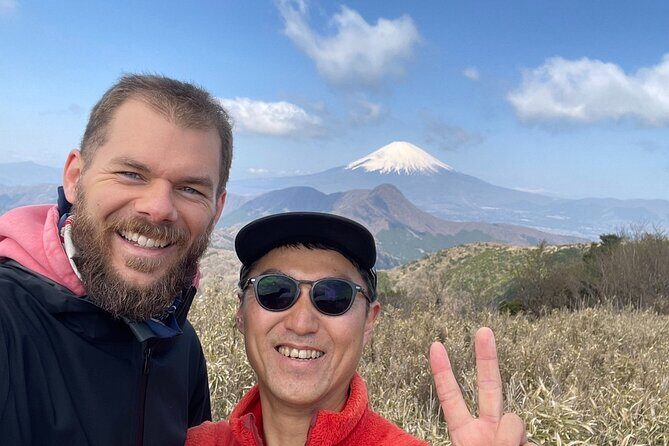
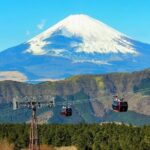
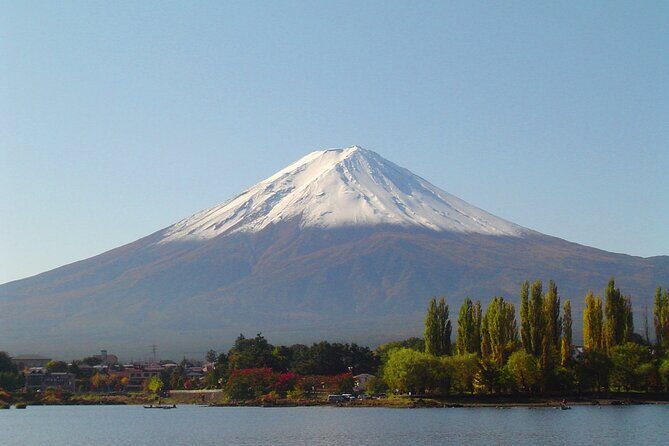
Mt. Fuji from a boat changes everything. I like that this day trip pairs a Lake Ashi cruise with hands-on ramen-making, so you get big scenery and real Japanese food skills in one long outing. One thing to plan for: weather can affect the cruise, and the day still goes on even if you cannot ride.
I also like the logistics. You’re on an air-conditioned bus with free Wi-Fi, and you start early from Shinjuku with an English-speaking guide (names I’ve seen include Yoko, Mami, and Hiro). It’s not a slow wander day, so if you dislike walking or stairs, read the details first.
In This Review
- Key highlights in plain terms
- Lake Ashinoko and the Hakone Pirate Ship: seeing Fuji from the water
- Fujikawaguchiko ramen workshop: your lunch, your noodles, your choices
- Arakura Fuji Sengen Shrine on Mt. Arakura: red gate, long stairs, big rewards
- Oshino Hakkai: eight ponds made from Fuji’s snowmelt
- Shinjuku-to-Fuji travel plan: bus comfort and why round-trip matters
- Timing, walking, and how to stay comfortable for 11 to 12 hours
- Price and value: what $128.69 buys you in one day
- Should you book the Mt. Fuji and Hakone day trip with ramen-making?
- FAQ
- Is lunch included on this tour?
- What time does the tour start?
- Where does the tour meet in Tokyo?
- Do I need to pick tickets up in advance?
- What if the Lake Ashi cruise can’t run due to weather or service changes?
- Is the tour good for people who want minimal walking?
- Can I request a vegetarian meal?
- Are halal or vegan lunches available?
- How large is the group?
- What languages are available with the guide?
Key highlights in plain terms
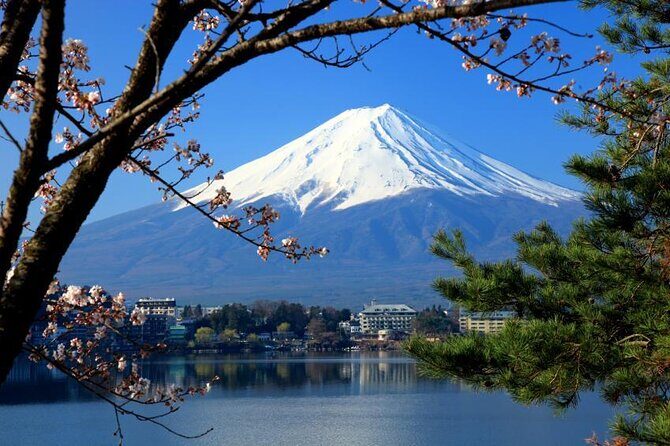
- Lake Ashi views: A scheduled Hakone Pirate Ship ride when conditions allow.
- Ramen-making at Mt. Fuji area: Make your own noodles and build your lunch.
- Arakura Fuji Sengen Shrine: Long stone steps up to classic Mt. Fuji lookouts.
- Oshino Hakkai ponds: Eight Fuji snowmelt springs filtered through volcanic rock.
- One early-morning bus plan: Round-trip transfers so you do not fight Tokyo transit.
Lake Ashinoko and the Hakone Pirate Ship: seeing Fuji from the water
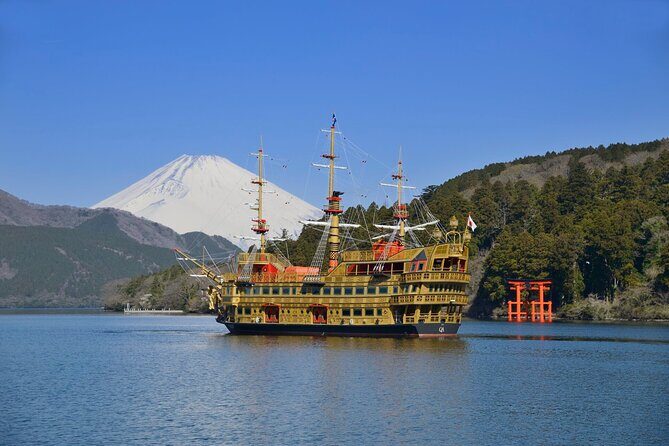
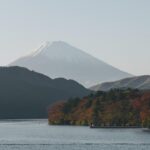
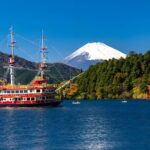
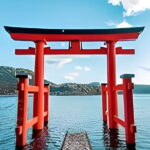
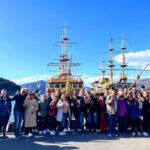
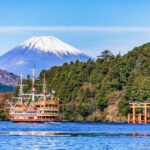
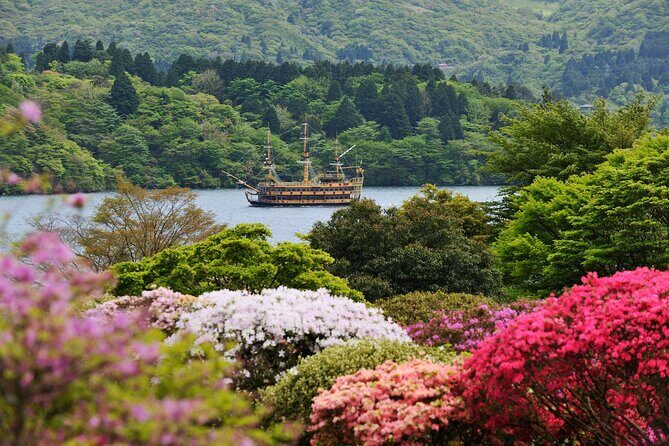
Lake Ashinoko (Lake Ashinoko) is where the day starts moving in the right direction. You board the Hakone Pirate Ship for about 25 minutes, and the whole point is the angle. From the water, Mt. Fuji often shows up with a calmer, more dramatic feel than it does from highways or train platforms.
Why it matters for you: most first-timers hit Fuji viewpoints from land. This gives you a different “layer” of the landscape. Even if the mountain is shy that day, the route still delivers the lake’s scenic greenery and seasonal color when visibility is good.
The main drawback is also simple. If the cruise becomes inaccessible due to weather or service suspension, you will be taken to alternative facilities, and refunds are not provided for that change. In practice, this is still a solid plan because the tour continues to focus on the rest of the Fuji-and-Hakone “big hits.” Just do not treat the boat ride as guaranteed.
More Mt Fuji & Hakone tours we've reviewed
Fujikawaguchiko ramen workshop: your lunch, your noodles, your choices
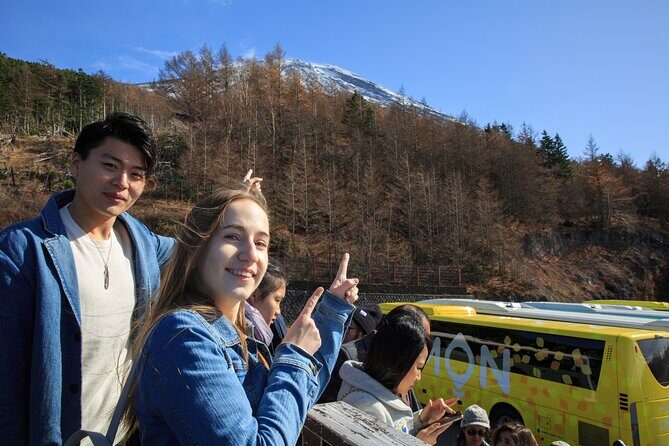
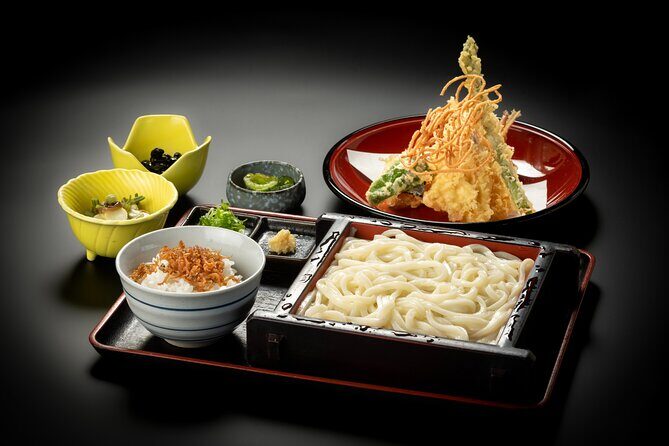
Next comes the foodie payoff: a ramen-making experience at the Mt. Fuji area stop in Fujikawaguchiko-machi. You start from scratch, including making your own noodles. Then you customize your bowl—choose a soup base and seasonings, pick toppings, and even boil the noodles to your preferred firmness.
This is the kind of activity I like for a day trip. Cooking gives you a clear task, not just sightseeing time where you stand around waiting for the next bus photo spot. It also tends to make the rest of the day more satisfying, because you are literally eating the culture you are learning about.
Practical note: the lunch is part of the ramen-making experience. If you did not select the option that includes lunch, lunch may not be included. Either way, this stop is built in as your mid-day fuel so the afternoon walking does not feel like punishment.
Arakura Fuji Sengen Shrine on Mt. Arakura: red gate, long stairs, big rewards
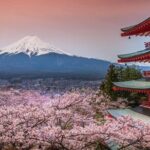
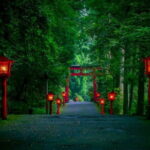
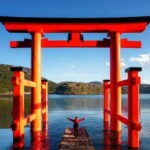
Arakura Fuji Sengen Shrine is one of those places where your effort gets you a very recognizable view. The site is Shinto and dates back more than 1,500 years. The walk starts at the foot of Mt. Arakura, and you pass under the grand red torii gate before reaching the main hall.
The path then splits into two choices: you can take a staircase up to the observatory deck or use a gentler sloping path. The staircase route can involve about 398 steps, so this is not just a quick stroll. On top of that, along the stone staircase you pass smaller shrines, including Shiogama Shrine (safe childbirth) and Atago Shrine (fire protection).
Why I think this stop is worth it: the shrine is not only about a view. It’s also a working religious site, with a built-in storytelling flow as you climb. The climb itself helps you slow down and look at the mountain framing changes as you go higher—exactly the kind of “you notice it because you’re moving” experience that stays with you longer than a single photo platform.
If you want an honest consideration: you will work for this viewpoint. The tour also warns it is not recommended for people who have difficulty walking distances of 10 to 15 minutes. If you are on the edge, choose the slope and plan to move steadily.
Oshino Hakkai: eight ponds made from Fuji’s snowmelt

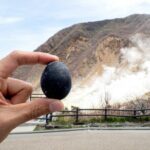
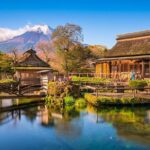
After the shrine, you head to Oshino Hakkai. The name points to the story: “hakkai” means eight seas, referencing eight ponds fed by melted snow from Mt. Fuji’s peak. The water becomes clear through a long process—filtered through volcanic rock over roughly 80 years.
The vibe here is different from Hakone’s transport-and-lake feel. Oshino Hakkai is known for the ponds and for small local vendors and markets. You might find regional treats, souvenirs, and local wine and fruit-style offerings around the area.
What you get from this stop: a calmer, more human-scaled view of Fuji’s water cycle. Instead of chasing the mountain’s best angle, you’re seeing the “source system” that makes the landscape feel alive.
A small heads-up for comfort: this is still part of a long day with multiple scheduled stops. Oshino Hakkai is a good break from stair-heavy walking, but you should still expect to cover some distance around the pond area.
Shinjuku-to-Fuji travel plan: bus comfort and why round-trip matters
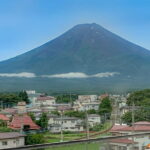
The whole structure starts and ends at Shinjuku Center Building, near JR Shinjuku Station. The start time is 7:40 am, and you return back to the same meeting point at the end of the tour. That round-trip transfer is a big deal if you’re staying in central Tokyo and do not want to figure out intercity trains for one day.
You travel by air-conditioned bus with free Wi-Fi, and that helps you turn the ride into rest time instead of stress time. One small detail I really appreciate for this kind of day trip is the reassurance that the bus leaves as scheduled and won’t wait for late arrivals. So arrive early enough to get sorted.
Also, plan for real driving time. The itinerary is built for an 11 to 12 hour day, and traffic can change the pacing. The tour notes that schedules can be subject to change due to traffic or weather for safety, which is exactly what you want from an operator that prioritizes getting you safely between stops instead of forcing a too-tight plan.
Other Tokyo + Mt Fuji + Hakone combo tours we've reviewed
Timing, walking, and how to stay comfortable for 11 to 12 hours
This is not a sit-and-smile tour. Between the shrine climb options and the pond area walking, you’re on your feet enough that footwear matters. The biggest walking decision is at Arakura Fuji Sengen Shrine, where you can choose stairs or a slope.
If stairs are not your friend, choose the sloping path and keep your pace steady. If you struggle with 10 to 15 minutes of walking, the tour is specifically not recommended.
What to pack around the schedule:
- Comfortable walking shoes (not sandals)
- A light layer for early morning (you start at 7:40 am)
- Rain protection that does not ruin your ability to walk
- A small water plan for breaks between stops
A final practical point: meeting points in Shinjuku can be confusing. The good news is the tour is near public transportation and the meeting spot is stated clearly, but Shinjuku is still Shinjuku. Give yourself extra time to find the right bus and guide.
Price and value: what $128.69 buys you in one day
At about $128.69 per person, you are paying for a full-day package, not just transport to one viewpoint. Here’s what you’re effectively covering:
- An English-speaking guide
- Round-trip bus service from Shinjuku
- Air-conditioned bus with free Wi-Fi
- A ramen-making experience with lunch
- A Lake Ashi cruise boarding ticket if you select the cruise option
The value logic is straightforward: Tokyo-to-Hakone logistics can be a pain, and intercity time adds up fast. Bundling it into one scheduled day buys you simplicity. Plus, ramen-making is a real, structured activity. You are not paying extra for scenery only; you’re paying for a hands-on cultural skill and a meal.
Where you should be careful: if the weather blocks the cruise, you will not get the boat experience. Instead, you go to alternative facilities, and refunds aren’t given for that specific change. That’s the trade-off for a package that is designed to keep the day moving.
Overall, if you want multiple highlights without building your own itinerary from scratch, this price tends to make sense.
Should you book the Mt. Fuji and Hakone day trip with ramen-making?
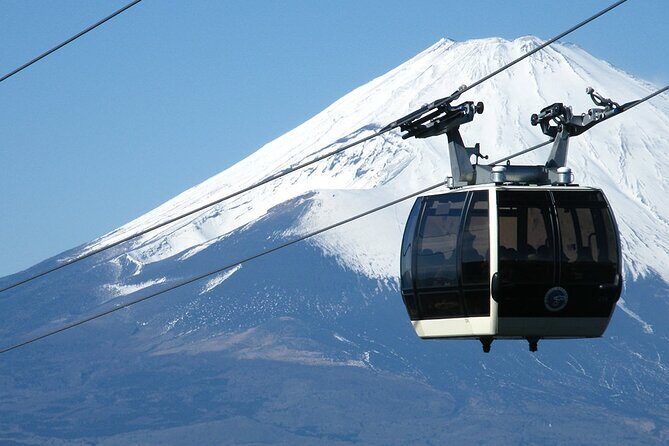
Book it if you want a single-day hit list that mixes classic scenery with something you can do. The combination of Lake Ashi (when possible), ramen-making, Arakura Fuji Sengen Shrine, and Oshino Hakkai is a strong match for first-timers to Tokyo who still want a deep-feeling day in the Fuji region.
Skip it or rethink it if you have limited walking ability, because the day includes significant walking and a steep climb option at Arakura. Also think twice if your dream is a specific single moment, like the cruise, because weather can redirect the plan and refunds are not offered for cruise inaccessibility.
If you’re flexible, this tour is a good use of one day: it’s long, it’s structured, and it gives you several angles on Mt. Fuji and Hakone culture without the Tokyo transit headaches.
FAQ
Is lunch included on this tour?
Lunch is included as part of the ramen-making experience. The tour notes that lunch may not be included if you select an option that does not include it.
What time does the tour start?
The tour starts at 7:40 am.
Where does the tour meet in Tokyo?
The meeting point is Shinjuku Center Building, 1-chōme-25 Nishishinjuku, Shinjuku City, Tokyo 160-0023. The activity ends back at this meeting point.
Do I need to pick tickets up in advance?
You receive a mobile ticket.
What if the Lake Ashi cruise can’t run due to weather or service changes?
If the cruise becomes inaccessible due to suspension of service, bad weather, or traffic, you’ll be taken to alternative facilities. Refunds are not provided for this reason.
Is the tour good for people who want minimal walking?
The tour involves a significant amount of walking. It is not recommended for those who have difficulty walking distances of 10 to 15 minutes, and Arakura’s climb includes stairs or a sloping path option.
Can I request a vegetarian meal?
Vegetarian requests are handled if you contact the provider at least one week (7 days) before the tour.
Are halal or vegan lunches available?
Halal and vegan lunches are not available.
How large is the group?
The tour has a maximum of 42 travelers.
What languages are available with the guide?
The tour includes an English-speaking guide.