REVIEW · HAKONE
Hakone Adventure: Explore Nature’s Beauty and Tranquility
Book on GetYourGuide →Operated by DeepExperience, Inc. · Bookable on GetYourGuide
Hakone hits different when you ride the mountain rail first. This guided day strings together Hakone’s big scenic highlights—Tozan Railway, cable car/ropeway, Owakudani’s geothermal valley, Lake Ashi with torii views, and Hakone Shrine—so you don’t spend your energy figuring out transfers. I especially like how the plan includes multiple “transport flavors” (rail, cable, ropeway, cruise) and gives you context for what you’re seeing, from the caldera to the area’s checkpoint-town role. The main drawback to keep in mind is cost: the tour price is only part of the bill because you pay transport fares separately, plus you’re in a tight time window if queues run long.
What makes this feel worth it is that you’re not just hopping between landmarks. You get an English-speaking guide handling the flow, you’re dropped at pre-set locations, and the route is built to maximize viewpoints across Hakone in one go. Still, there’s a big practical consideration: Mt. Fuji is weather-dependent, and the day can feel rushed in crowded conditions—so you’ll want to be realistic about how much time you’ll get at each stop.
In This Review
- Key takeaways
- Why This Hakone Day Works Better Than DIY
- Starting Points in Tokyo and Nearby: Pick the Easiest One
- The Hakone Tozan Railway: Japan’s Only Mountain Train
- Cable Car and Ropeway: Riding Above the Volcanic Caldera
- Owakudani: Steam Vents, Sulfur Air, and Living Geology
- The Rest of the Elevated Stop: More Time for Geology Views
- Lake Ashi Cruise: Torii Gates, Still Water, and Mt. Fuji Chances
- Lake Ashi and Hakone Shrine: The Best Way to Finish the Day
- Price and Logistics: Where the Value Actually Comes From
- When to Go: Crowds, Queues, and Mt. Fuji Reality
- Who This Tour Fits Best (And Who Should Rethink It)
- Should You Book This Hakone Adventure?
- FAQ
- How long is the Hakone Adventure tour?
- Where do I meet for the tour?
- What’s included in the price?
- What costs extra?
- Is the tour in English?
- What should I bring?
- Is smoking allowed?
- Can I cancel for a full refund?
- Can I book now and pay later?
- Is the tour suitable for everyone?
Key takeaways
- Japan’s only mountain railway ride on the Hakone Tozan Railway to start the day
- Volcanic views from above via cable car and ropeway over Hakone’s caldera
- Owakudani reality check: steam vents and that sulfur smell (yep, it’s real)
- Lake Ashi cruise with torii views and a Fuji silhouette only if skies cooperate
- Hakone Shrine as the calm closer after a day of big scenery and transport changes
Why This Hakone Day Works Better Than DIY
Hakone is gorgeous, but it can also be a transfer puzzle. This experience reduces that stress by bundling the major sights into one guided circuit, with the guide helping you move between rail, cable car, ropeway, bus, and the lake cruise. If you’re the type who doesn’t want to think about schedules all day, that matters.
I also like the way the stops “build” your understanding. You start with mountain scenery from the Tozan Railway, then you rise above the caldera with ropeway/cable car views, then you get the geothermal explanation at Owakudani, and finally you slow down on Lake Ashi before finishing at Hakone Shrine. It feels like a guided story rather than a checklist.
The trade-off is pacing. The total time window is wide (270 to 570 minutes), but the day still aims to hit multiple locations, so you’ll want to come ready to walk, queue, and accept that some parts may be time-limited.
If you're still narrowing it down, here are other tours in Hakone we've reviewed.
Starting Points in Tokyo and Nearby: Pick the Easiest One
You get four starting options, which is a big deal for avoiding a Tokyo-to-Hakone squeeze. Your meeting point can be 向山公園, Shinjuku police box at the station east exit, Hakone Yumoto Station, or Odawara Station (tourist information).
From a value standpoint, this is where you win time. If you’re already near Shinjuku, starting there prevents extra commuting. If you’re basing in Odawara or Hakone Yumoto, starting locally keeps the day focused on the sightseeing.
Just do one thing: arrive about 15 minutes early. With trains and ropeways, being late tends to snowball into missed timing.
The Hakone Tozan Railway: Japan’s Only Mountain Train
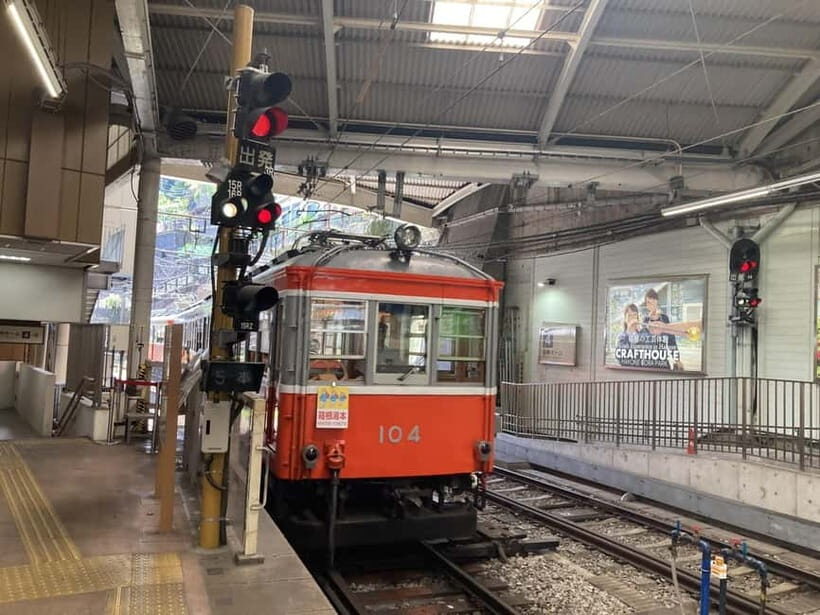
The day starts with a 1-hour ride on the Hakone Tozan Railway, Japan’s only mountain railway. I love this part because it turns the region’s geography into the activity. As the train climbs through forested slopes and curves along narrow valleys, you’re not just looking at Hakone—you’re moving through it.
Your guide shares the bigger picture while you ride: Hakone’s role as a historic mountain resort and a gateway between regions. That context can make the rest of the day click. Later, when you’re above the caldera and then at Owakudani, the geothermal and geological explanations feel grounded instead of random facts.
One practical note: views depend on season and weather. Even on clear days, mountain mist can roll in and out. If you’re chasing Mt. Fuji later, remember that a good start doesn’t guarantee clear skies.
Cable Car and Ropeway: Riding Above the Volcanic Caldera
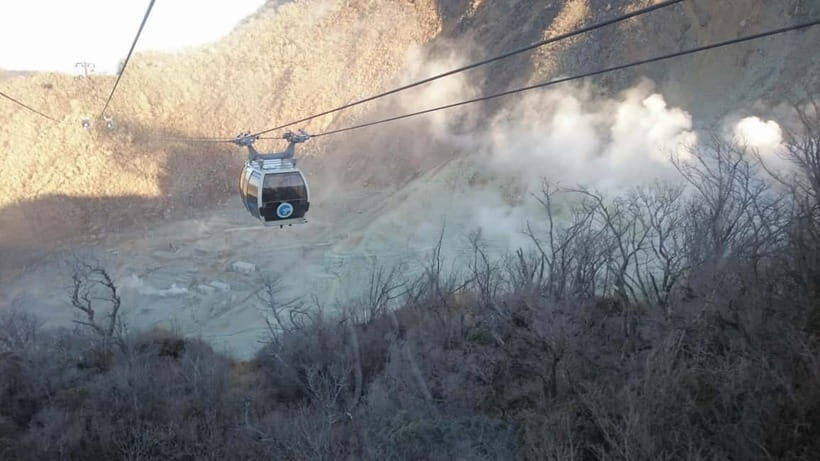
After the rail, the itinerary moves into vertical travel: a cable car segment (about 40 minutes) followed by more elevated sightseeing above the Hakone volcanic zone. This is where you get panoramic perspectives that are hard to replicate without these systems.
The key advantage here is elevation with minimal fuss. Instead of hiking or driving, you get repeated “lookouts” through mechanical lifts designed specifically for this geography. You’ll gain a stronger sense of the caldera—the huge crater formed by ancient eruptions—because the views are literally framed for you.
If it’s a crowded travel day, the ropeway and cable car areas can involve waiting. One guide-handling-the-line approach is helpful, but you still want to accept that lines can happen, especially on busy days.
Owakudani: Steam Vents, Sulfur Air, and Living Geology
Owakudani is the point in the day where nature stops being scenery and starts being a process. You’ll spend about 20 minutes at this active geothermal valley with a guided visit focused on steam rising from vents and the sulfur-scented air.
This stop works because it gives your senses something to grab onto. The smell and the visible steam are immediate proof that this is still a living volcanic system. The guide also connects the place to cultural stories and local traditions, so you’re not staring at vents without context.
The main “consideration” is comfort and timing. Steam zones can feel cooler or more exposed, and the smell can be strong. Wear comfortable shoes, and be ready for short walks and viewpoint hopping.


The Rest of the Elevated Stop: More Time for Geology Views
There’s an additional guided sightseeing block of about 1 hour before the cruise. While the exact label for the stop isn’t spelled out here, the intent is clear: you’re spending that chunk in the elevated Hakone area, building on the volcanic and caldera viewpoints you’ve already seen.
This extra time matters because it prevents the day from becoming purely “ride, look, leave.” One big complaint that shows up often with Hakone days is running out of time at the end. A longer guided block earlier helps you get at least one meaningful chunk of sightseeing without feeling like everything is a quick photo sprint.
If you’re sensitive to heights or want slower pacing, this is the time to tell your guide what you prefer. A good guide can adjust small timing choices to match your pace.
Lake Ashi Cruise: Torii Gates, Still Water, and Mt. Fuji Chances
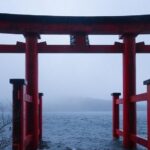
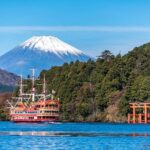
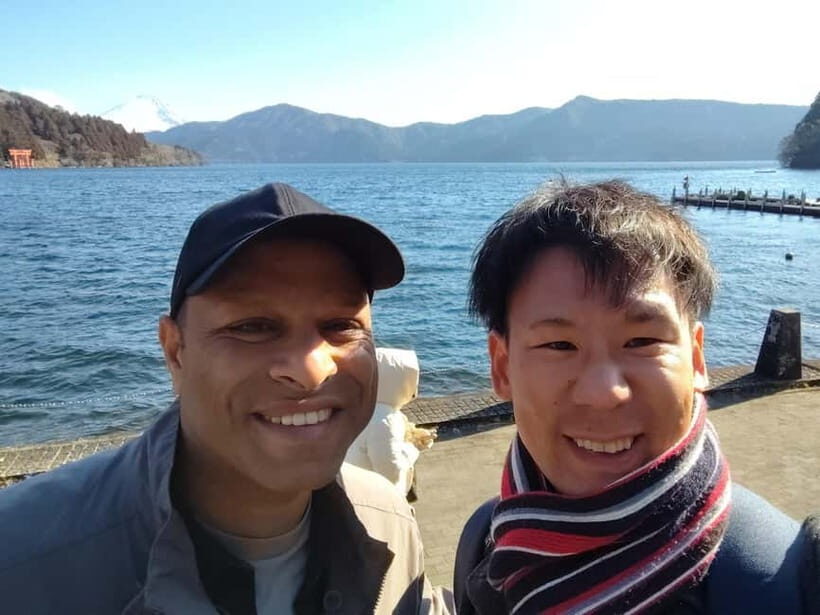
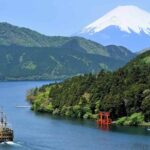
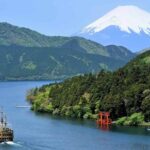
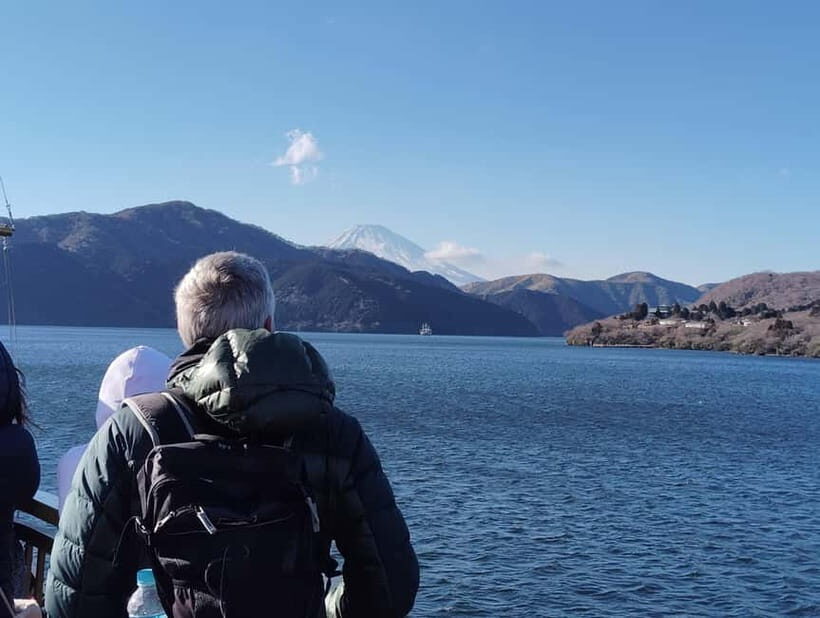
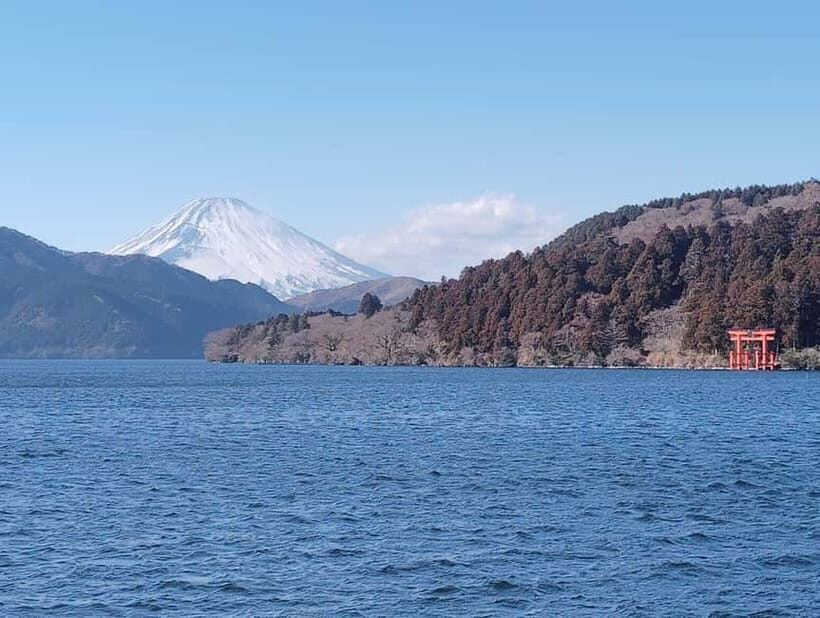
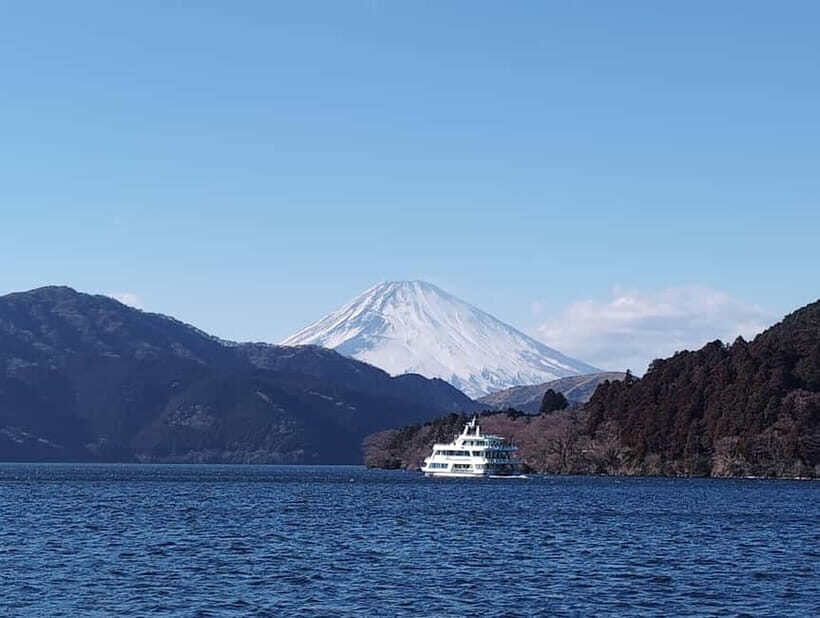
Then you switch gears to calm: a sightseeing cruise (about 50 minutes) on Lake Ashi. This is where Hakone often turns cinematic—torii gates, forested hills along the shoreline, and on clear days a view of Mt. Fuji.
The value of the cruise is that it gives you different angles without changing transport modes again and again. Your guide handles transitions, so you can relax and watch the shoreline drift by instead of constantly scanning maps.
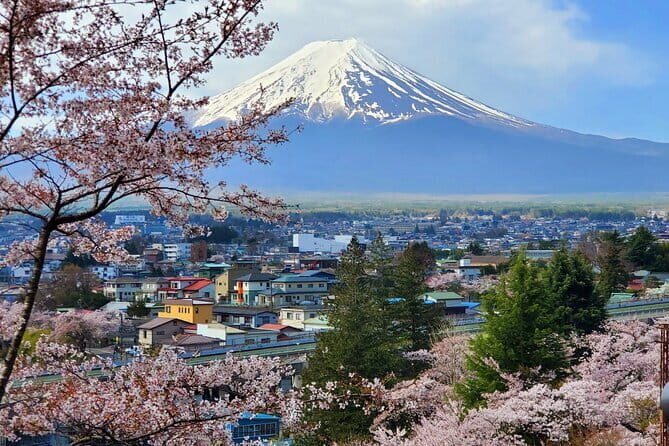
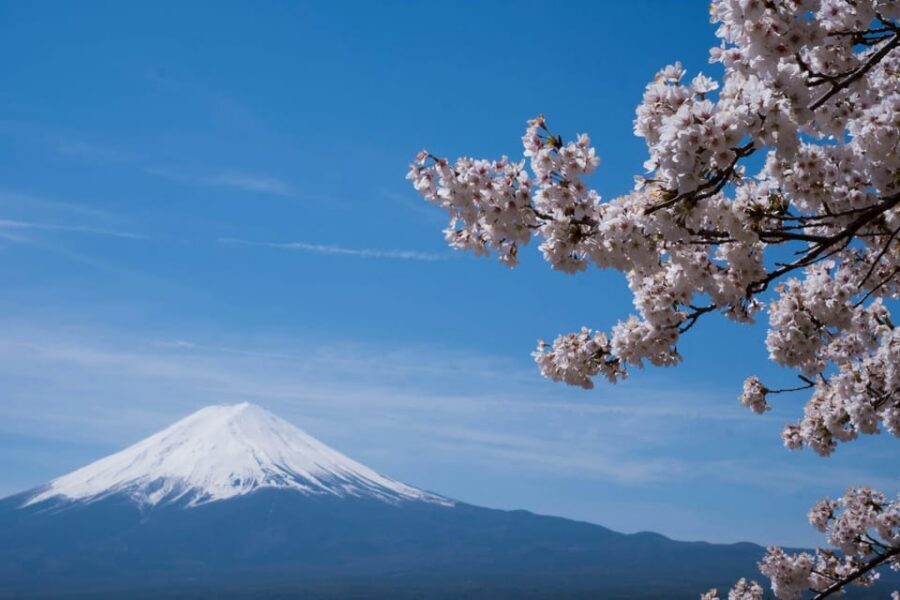
And yes, Mt. Fuji is the big payoff on clear days—but it’s not guaranteed. If it’s cloudy, you still get the lake setting and torii scenes, which are visually strong even without Fuji. If you do get a clear look, it can feel like the whole day “clicks” together.
Lake Ashi and Hakone Shrine: The Best Way to Finish the Day
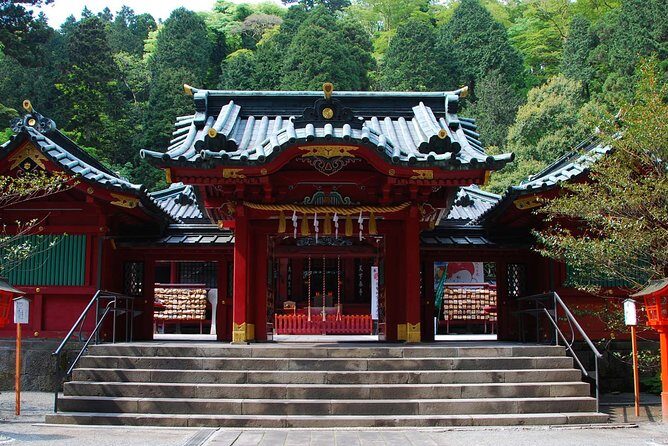
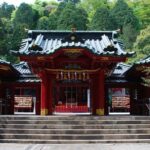
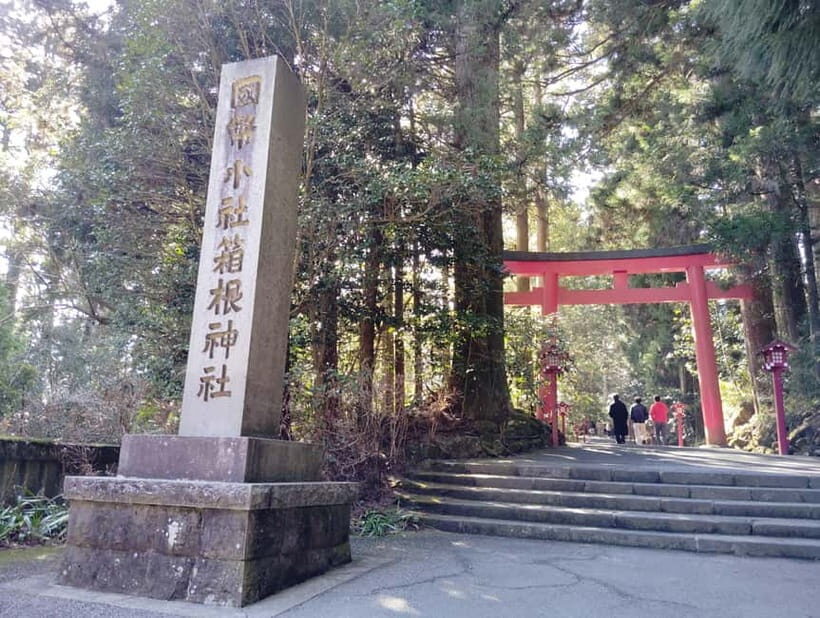
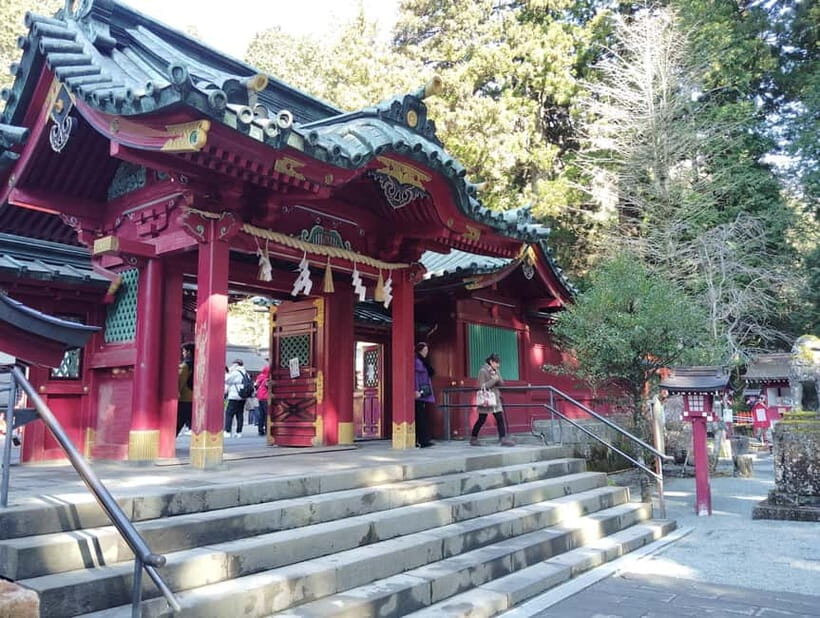
After the cruise, there’s a short guided time on Lake Ashi (about 10 minutes) and then a longer Hakone Shrine visit (about 45 minutes) with sightseeing and guidance.
I like finishing with Hakone Shrine because it gives you cultural grounding after the adrenaline of rides and the intensity of Owakudani. The shrine stop is also practical. If you arrived early enough and kept your energy up, you can use this time to slow down, photograph, and absorb the atmosphere.
One timing reality: if the day runs late because of queues or transport changes, this is the first place that can feel pressured. If you have a strict train booking back to Tokyo, build in patience. On a crowded Monday, for example, queue time can eat into the later part of the itinerary.
Price and Logistics: Where the Value Actually Comes From
At $139 per person, this tour can be a solid deal if you treat it as a “transport + guidance package.” The big catch is that transport fares are not included. Food and drinks are also not included. So your true cost depends on how much local transit you need to pay during the day.
This is why the tour can feel expensive to some people: if you’re already comfortable navigating Hakone on your own, you might be able to buy transport tickets and assemble a similar route cheaper. If you’d rather not deal with transfers, lines, and route planning, the guide’s help can be worth real money.
The other value lever is the private group format. Private group doesn’t automatically mean better scenery, but it often means you’re not competing with random schedules and you can get more attention if you want it. Guides named Yumiko, Taku, Yuuki, and Kyo have been described as attentive and considerate, including support around preferences and smooth day flow when transport changes happen.
Bottom line: if you price in your time and stress saved, the $139 can feel fair. If you treat it as a complete all-in transportation deal, you’ll likely feel the cost squeeze.
When to Go: Crowds, Queues, and Mt. Fuji Reality
Hakone can get busy fast. Even on a weekday, you might hit long lines for ropeways or crowded boarding zones. If you want a calmer experience, aim for days outside peak weekend patterns when you can.
Weather is the other major factor. Mt. Fuji visibility depends on clouds, and you should expect it to vary. The good news is that the day doesn’t collapse if Fuji is hidden. You’ll still see the volcano-driven elements, lake scenery, and shrine atmosphere.
What to do with this information: keep your expectations flexible. If you’re chasing Fuji, treat it as a bonus, not a requirement. If you’re chasing the feel of Hakone, the train, geothermal valley, and lake cruise deliver even when the sky isn’t perfect.
Who This Tour Fits Best (And Who Should Rethink It)
This is a good fit for first-time visitors who want the famous sights of Hakone without building a route from scratch. It’s also a strong choice if you like being guided through logistics and prefer not to think about which mode comes next.
It’s not suitable for:
- pregnant women
- people with mobility impairments
- people with heart problems
If you’re bringing a camera, plan to use it. There are repeated viewpoint moments across the railway, elevated transport, steam valley, and the lake.
Also: bring comfortable shoes and warm clothing. The day includes walking plus high-exposure areas in elevated spots. Sunscreen helps too, especially if the sky clears and you’re out at viewpoints.
Should You Book This Hakone Adventure?
I’d book this if you want a structured Hakone highlight circuit with an English-speaking guide and you value not juggling connections all day. It’s especially appealing if you’re traveling from Tokyo and you want a day trip that hits the area’s signature experiences in one plan.
I’d hesitate if you’re cost-sensitive and confident doing Hakone transport on your own. Since transport fares and food aren’t included, the total bill can rise quickly, and some days can feel rushed if queues run long.
If you can handle paying extra for transit and you’re flexible about Mt. Fuji timing, this tour gives a lot of variety for one day—mountain rail, volcanic views, geothermal reality, a lake cruise, and a cultural finish.
FAQ
How long is the Hakone Adventure tour?
The duration is listed as 270 to 570 minutes, depending on the starting time and schedule.
Where do I meet for the tour?
Meeting point varies by option. It can be 向山公園, Shinjuku police box at the station east exit, 箱根湯本駅, or 小田原駅観光案内所.
What’s included in the price?
You get an expert English-speaking guide, a route covering Hakone’s top sights, and help with navigating the day across the train, cable car, ropeway, and cruise.
What costs extra?
Transportation fares are paid separately during the tour, and food and drinks are not included.
Is the tour in English?
Yes. The tour offers a live English guide.
What should I bring?
Bring comfortable shoes, warm clothing, a camera, and sunscreen.
Is smoking allowed?
No. Smoking is not allowed.
Can I cancel for a full refund?
Yes. You can cancel up to 24 hours in advance for a full refund.
Can I book now and pay later?
Yes. The offer includes Reserve now & pay later, so you can book your spot without paying today.
Is the tour suitable for everyone?
No. It is not suitable for pregnant women, people with mobility impairments, or people with heart problems.