REVIEW · HAKONE
Do You Want to Try Skywalk? A New Way of Enjoying Hakone!
Book on Viator →Operated by OTOMO Travel Guide · Bookable on Viator
Skywalk in Japan sounds unreal, right? This private Hakone to Mishima outing strings together Mishima Skywalk with classic Hakone sights like Ajisai Bridge and Hakone Shrine, plus a mountain tea-house break, all with a private guide to handle the language.
I like two things most. First, the guide support means you spend time seeing, not fumbling. Second, the pacing mixes quick photo stops with one big view payoff over Mt. Fuji.
One thing to consider: Skywalk admission isn’t included, and some stops may not take credit cards, so bring cash.
In This Review
- Key Highlights You Should Know Before You Go
- Why Hakone to Mishima Works as a Single 7.5-Hour Plan
- Private Guide + Translation: The Quiet Upgrade You’ll Feel
- Ajisai Bridge by Hakone-Yumoto: A Tiny Stop With Big Photo Energy
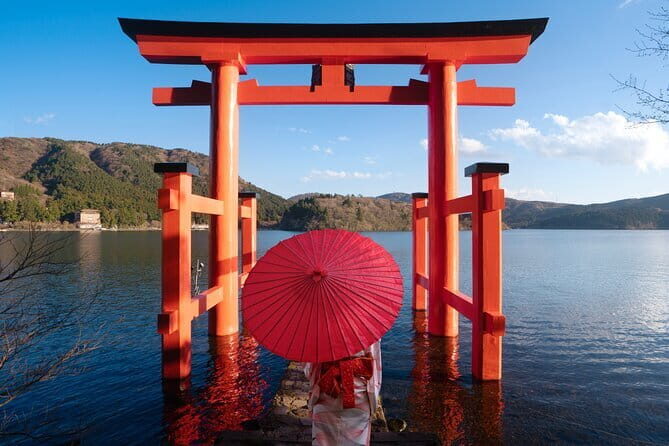
- Hakone Shrine and the Kuzuryu Shrine Torii: Where the Photos Actually Make Sense
- Bakery & Table Hakone: Bread, Lake Ashi, and a Footbath Break
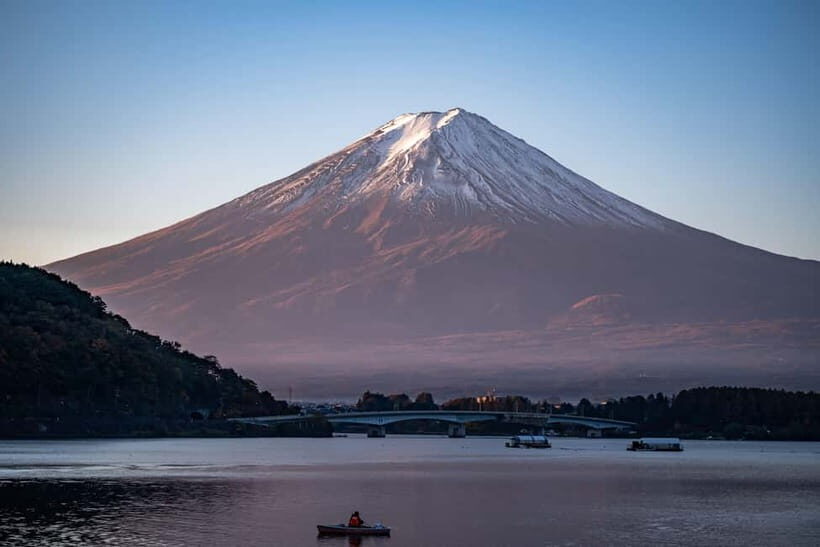
- Mishima Skywalk: The Main Event and Your Mt. Fuji Payoff
- Hakone Amazake Tea House: 400-Year-Old Mountain Slow Time
- Price and Value: What You’re Paying For (and What You’ll Pay Separately)
- Practical Tips That Make the Day Go Smoothly
- Who This Tour Suits Best (and Who Might Prefer Something Else)
- Should You Book This Hakone and Mishima Skywalk Private Tour?
- FAQ
- Is Mishima Skywalk admission included?
- Where do we meet, and what time does the tour start?
- Will the guide help with language?
- How long is the tour?
- What should I bring?
- Can I cancel for a full refund?
Key Highlights You Should Know Before You Go
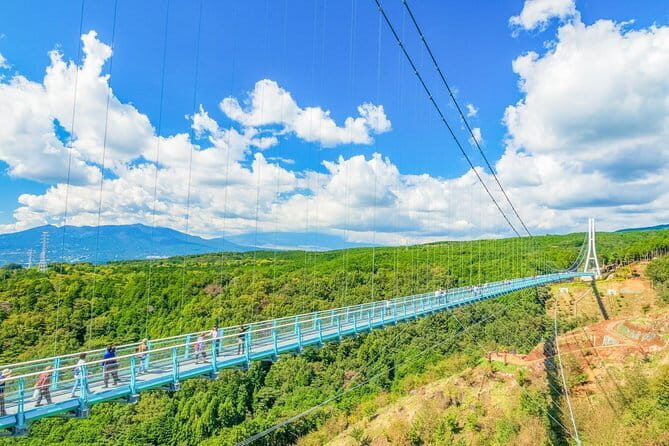
- Mishima Skywalk (400m): a pedestrian suspension bridge with views toward Mt. Fuji and Suruga Bay, but admission is extra
- Ajisai Bridge near Hakone-Yumoto Station: a quick vermilion photo stop that ties into Hakone’s hydrangea season
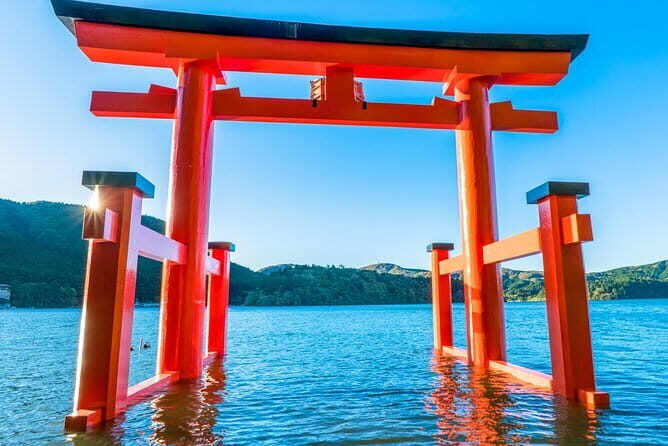
- Hakone Shrine / Kuzuryu Shrine: a 1,200-year-plus shrine with a lake Torii photo spot
- Bakery & Table Hakone + footbath: bread by Lake Ashi with a relaxing break built in
- Hakone Amazake Tea House: a 400-year-old stop for amazake (non-alcoholic, non-sugar) and rice cakes
- A private guide who translates: fewer friction points on public transport and at stops that can be hard to navigate
Why Hakone to Mishima Works as a Single 7.5-Hour Plan
Hakone alone can eat a whole day. This tour smartly folds in Mishima so you get the famous sky-bridge moment without turning your day into a logistics project.
You start at Hakone-Yumoto Station at 9:30 am and come back to the same meeting point. The total time is about 7 hours 30 minutes, and the stops are built around efficient travel and breathing room—short scenic breaks up front, then bigger attractions as the day goes on.
The big advantage is that you get “the why” of the route. Ajisai Bridge sets the tone with easy, iconic photos near the start point. Hakone Shrine adds the traditional side. Then you shift from lake views and food into the main event: Mishima Skywalk.
That final view matters because weather and daylight can change the feel of Mt. Fuji-area sights. Having a plan already assembled lets you spend your attention on what you can see that day, not on whether you chose the best sequence.
If you're still narrowing it down, here are other tours in Hakone we've reviewed.
Private Guide + Translation: The Quiet Upgrade You’ll Feel
When language gets in the way, even simple activities start to feel slower. With this tour, a private guide takes care of translating, which means you can ask questions, get directions, and understand what you’re looking at as you go.
This is especially helpful at places where signage may not be your friend. You’re moving through shrine areas, scenic photo spots, and food stops, so knowing what’s going on helps you enjoy each stop instead of just passing through.
It also changes how you travel. On a do-it-yourself day, you might rush to “collect” sights. Here, you can linger at spots like the shrine Torii area or the tea-house break because someone is managing the flow and keeping your timing on track.
One practical note: the guide setup is built for public-transport style movement, since hotel pick-up and drop-off are not included. If you like independence, you’ll still get it—you just won’t have to fight the language and route planning.
Ajisai Bridge by Hakone-Yumoto: A Tiny Stop With Big Photo Energy
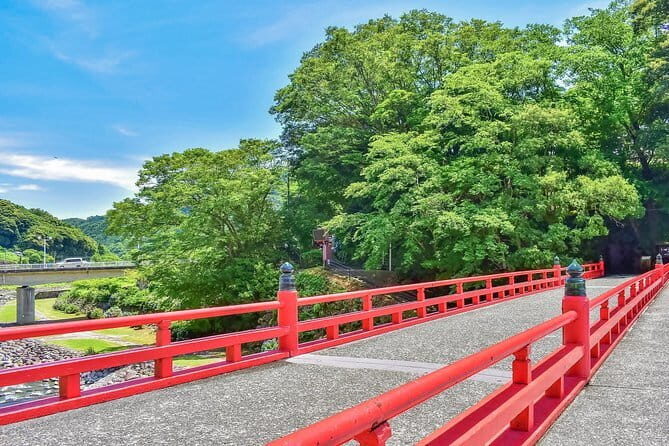
Stop 1 is Ajisai Bridge, a vermilion bridge near Hakone-Yumoto Station. The photo value is the point, and you only need about 10 minutes to make it work.
Why it’s worth your time: it’s close to where you start, so you don’t waste travel energy before the tour properly begins. Also, Hakone is known for hydrangeas, and the bridge is a natural match for that seasonal vibe. Even outside peak bloom, it still gives you a clean, bright “first Hakone” moment.
The main drawback here is also simple: it’s short. If you want lots of slow wandering around the immediate area, this stop won’t be your long stretch. But if your goal is getting the iconic bridge photo early and keeping the day moving, this is a good setup.
Hakone Shrine and the Kuzuryu Shrine Torii: Where the Photos Actually Make Sense
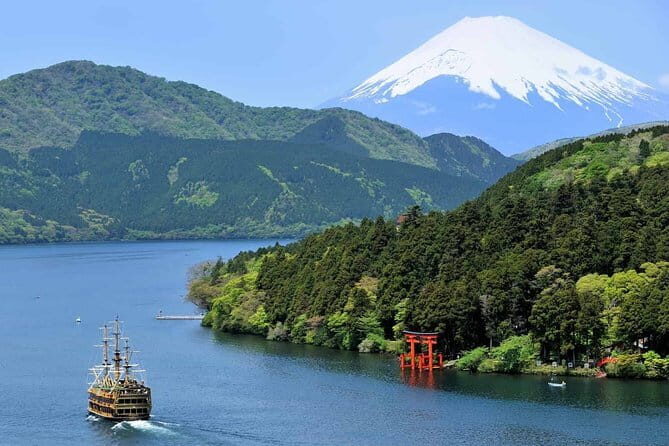
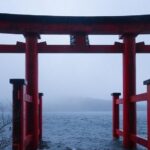
Next comes Hakone Shrine / Kuzuryu Shrine, with about 50 minutes on the clock. The site has a history of 1,200 years or more, and the popular photo spot is the lake Torii.
This is one of those places where time matters. You don’t just want to stand in one spot—you want to get a sense of how the Torii relates to the water and the shrine setting around it. With a private guide handling the timing and translation, you’re more likely to take a few thoughtful angles instead of rushing.
Free admission helps too, and it keeps the day feeling smoother. If you care about photos, this stop is one of the best “return on time” moments, because the scenery is built for it.
The possible consideration: shrine areas can involve uneven ground. Wear shoes you trust. Also, if weather is off that day, you might get damp conditions around outdoor areas, so plan for comfort rather than fashion.
Bakery & Table Hakone: Bread, Lake Ashi, and a Footbath Break
Stop 3 is Bakery & Table Hakone, a hands-on break that mixes food with a small piece of Hakone-style relaxation. You’ll have about 1 hour 20 minutes here.
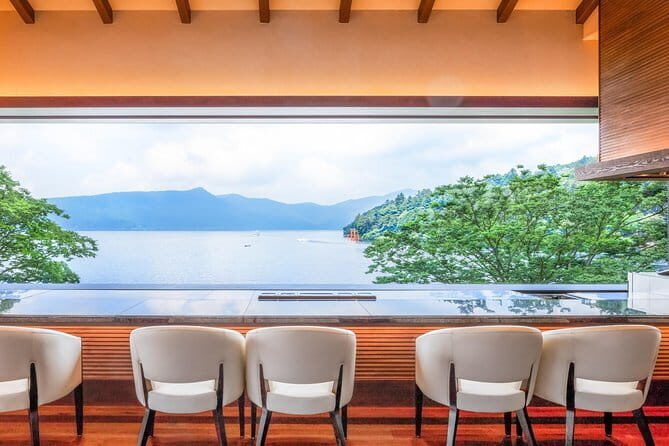
The idea is simple and effective: eat bread in front of Lake Ashi while soaking your feet in a footbath. It’s not just a meal stop. It’s a pace changer. After walking around shrine areas and photo spots, this kind of break helps you reset for the Skywalk portion later.
This stop is listed with free admission, but keep in mind that the tour instructions note meal costs are borne by you. So think of the time as part snack, part pause, part scenery session.
What you should watch for: this kind of place can encourage lingering. If the day gets busy, you’ll still have enough time overall, but I’d treat this stop as a “sit, eat, recharge” block rather than a slow unlimited hangout.
If you want a practical souvenir without trying too hard, this is also one of the easiest places to pick up a small food item and enjoy it later during transit.


Mishima Skywalk: The Main Event and Your Mt. Fuji Payoff
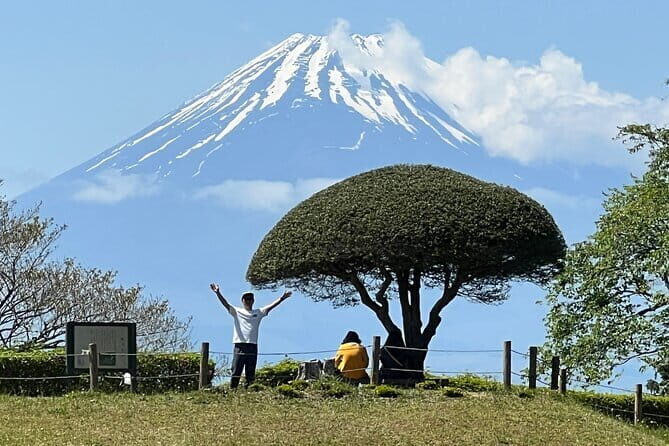
Now for the big moment: Mishima Skywalk. You’ll spend about 50 minutes here, and this is the stop tied directly to the tour’s name.
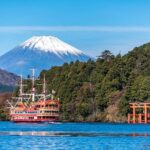
The Skywalk itself is a 400m long pedestrian suspension bridge. From it, you can enjoy views toward Mt. Fuji and Suruga Bay.
Two things make this worth structuring into your day:
- It’s a clear “wow” attraction, not just another scenic walk.
- The suspension bridge format changes how you experience the area, because you’re elevated and you’re looking across distance rather than just at nearby views.
Important detail: Skywalk admission is not included. So yes, you’ll pay extra on top of the tour price, and you should plan for that mentally so it doesn’t feel like a last-minute surprise.
Also, be realistic about weather. If skies are hazy or visibility is low, the Mt. Fuji angle may not deliver. Still, Suruga Bay views can be excellent even when Fuji is faint, and the bridge experience itself is the star.
Hakone Amazake Tea House: 400-Year-Old Mountain Slow Time
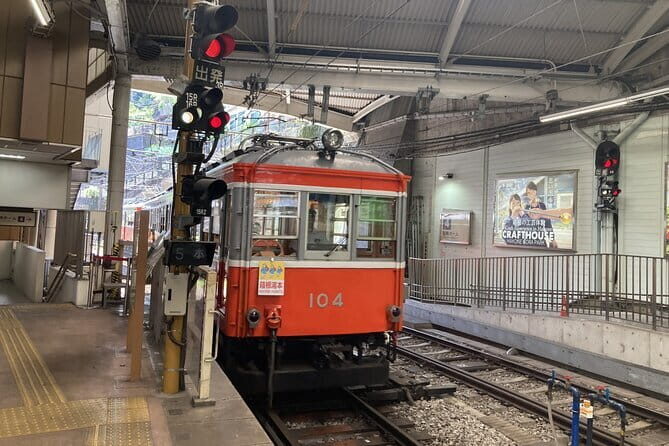
Stop 5 is Hakone Amazake Tea House (Amazake Chaya), a 400-year-old teahouse in the mountains. You’ll have about 20 minutes here.
The food and drink concept is the highlight. Amazake is a non-alcoholic, non-sugar sweet drink, and this tea-house stop also features specialty sake and rice cakes. Even if you only sample something small, it’s a different kind of Hakone moment—less photo sprint, more quiet stop.
Why this matters in a day packed with sights: it gives your body a break and lets the day feel less like ticking boxes. You’ll also get a feel for local snack culture, which is often the best part of a short Hakone itinerary.
The possible drawback is simple timing. 20 minutes is enough to taste and reset, but not enough for a long sit-down. If you’re the type who loves lingering over tea, you might wish the stop ran longer. That said, the whole tour is designed to keep the Skywalk window comfortable.
Price and Value: What You’re Paying For (and What You’ll Pay Separately)
The price is listed at $168.42 per person. It also notes the tour is commonly booked about 35 days in advance, so if you’re traveling in a busy season, don’t wait too long.
Here’s the honest value math using the details you’re given:
- You’re getting a private tour guide included, along with necessary guide expenses.
- You’re also getting a structured route with scheduled time at several stops, including the big Skywalk window.
- You are not getting the extra costs at each stop bundled into the package.
The tour instructions say the estimated extra spending is 6,050 JPY per person, broken down roughly as:
- Transportation: 3,650 JPY
- Meal costs: 1,000 JPY
- Admission fees: 1,400 JPY per person
This is why the tour can be good value for the right person. If you’d otherwise spend time figuring out public transport, dealing with language barriers, and building an itinerary around Mishima Skywalk plus Hakone sights, a private guide is buying you speed and clarity.
On the other hand, if you’re strictly price-first and already comfortable navigating Japan with minimal help, you might be able to DIY. But you’d lose the translation support and the pre-arranged flow that makes the day feel tight instead of stressful.
Practical Tips That Make the Day Go Smoothly
A few small details matter more than you’d think on a day like this.
First: wear comfortable clothing. You’ll be walking a lot, and you’ll be outside for multiple stops. Choose layers you can adjust for changing weather around Hakone and the route to Mishima.
Second: bring cash. Some spots don’t accept credit cards, and you don’t want to scramble mid-day. This matters because the Skywalk admission isn’t included, and you’ll also likely pay for food at the bakery stop.
Third: plan for route tweaks. The tour notes that stops might change if something is temporarily closed, and weather can shift transportation, destinations, and routes. This doesn’t mean the day falls apart—it means you should keep your expectations flexible.
Fourth: consider the Hakone Free Pass. You can use it for transportation during the tour. If you plan to purchase it, tell your guide on the day so you don’t end up with mismatched tickets.
And finally: arrive early at the meeting point. The tour starts at 9:30 am at Hakone-Yumoto Station, and if you miss the timing, you might not get the full experience because of how long it can take to get there.
Who This Tour Suits Best (and Who Might Prefer Something Else)
This tour is a strong match if you want:
- a private guide so you don’t fight language and directions
- one clear “main event” attraction (Mishima Skywalk)
- a day that mixes shrine culture, lake views, and a mountain tea-house stop
- a structured plan without having to research each segment
It’s also a good fit if you like photos but don’t want to spend hours hunting photo angles. The route includes obvious picture points: Ajisai Bridge, the lake Torii, and then the elevated bridge views.
You might consider another option if:
- you’re comfortable fully DIY and want to minimize extras like guide fees
- you’re budgeting tightly and want everything bundled (Skywalk admission and meal costs are separate)
- you prefer very slow travel with fewer scheduled stops (this itinerary is paced for a full day)
Should You Book This Hakone and Mishima Skywalk Private Tour?
If you’re aiming for a “best-of” day that includes Mishima Skywalk without turning it into a transit puzzle, I think it’s a smart booking. The private guide translation support is the kind of help you don’t notice until you try to do it on your own and realize how much time signage and wording can steal.
The stops also make sense together: quick Hakone-yumi photos at Ajisai Bridge, the shrine Torii area for a classic Hakone feel, a Lake Ashi bread-and-footbath pause, then the main sky-bridge view tied to Mt. Fuji.
Just go in with the right expectations. Skywalk admission is extra, some places may require cash, and weather can affect what you see most clearly. If you can handle those realities, you’ll likely love how the day adds up.
FAQ
Is Mishima Skywalk admission included?
No. The tour includes the time at Mishima Skywalk, but admission is listed as not included. You’ll pay estimated admission costs separately.
Where do we meet, and what time does the tour start?
You meet at Hakone-Yumoto Station. The start time is 9:30 am, and the tour ends back at the meeting point.
Will the guide help with language?
Yes. The tour description says there are no language barriers because a private guide takes care of translating.
How long is the tour?
The duration is listed as about 7 hours 30 minutes.
What should I bring?
Wear comfortable clothing since you will walk a lot. Also bring cash, because some spots don’t accept credit cards.
Can I cancel for a full refund?
Yes. You can cancel for free up to 24 hours in advance for a full refund. Canceling less than 24 hours before the start time isn’t refundable.