REVIEW · TOKYO
Majestic Mt. Fuji & Hakone Retreat –A Private Day Tour from Tokyo
Book on Viator →Operated by Sakura Travel · Bookable on Viator
Fuji day, minus the stress of transit. This private tour strings together Hakone and Mount Fuji in one long day, with an English-speaking driver-guide who meets you at your Tokyo hotel. You’re not guessing routes or transfer times—you’re in a comfortable vehicle with air-con and Wi‑Fi while the day runs on a plan you can tweak.
I also love how the day is built for efficiency. You hit big-name stops like Chureito Pagoda and Oshino Hakkai, and guides such as Ahsan and Atif Cheema are used to keeping things moving even with traffic—patient, practical, and focused on getting you to the right viewpoints and experiences. With a group capped at five, you’ll feel more flexible than on a standard bus tour.
The only real drawback to plan for is visibility and extra fees: some standout stops involve optional admissions like Mt. Fuji’s 5th Station and scenic transport such as the Hakone Ropeway. If the weather turns, your view may be less dramatic, so you’ll want to stay flexible with timing and expectations.
In This Review
- Key points before you go
- Tokyo pickup and the private ride that makes this work
- Chureito Pagoda and Arakura Fuji Sengen Shrine: your Fuji-view payoff
- Mt. Fuji 5th Station: optional altitude, optional realism
- Lakes and Oshino Hakkai: Fuji Five Lakes energy in a single route
- Lake Kawaguchiko: ropeway and cruise-style views
- Oshino Hakkai: eight ponds, easy wandering
- Lake Yamanaka: quieter Fuji-lake atmosphere
- Hakone volcanic stops: Owakudani steam and Lake Ashinoko magic
- Owakudani Valley: steam vents and sulfur landscapes
- Lake Ashinoko: lakeside views and optional cruise time
- Hakone Ropeway: iconic views, possible lines
- Why the guide and timing matter on this kind of day
- Price and what you’re really paying for (per group, not per person)
- Who this private tour suits best
- Practical tips to get the best day possible
- Should you book this Mt. Fuji and Hakone private day tour?
- FAQ
- How long is the Majestic Mt. Fuji & Hakone retreat private day tour?
- How many people are in a group?
- Is hotel pickup and drop-off included?
- What’s included in the transportation?
- Are entrance tickets included for all stops?
- What happens if the weather is poor?
- Is free cancellation available?
Key points before you go
- Private door-to-door comfort: central Tokyo hotel pickup and drop-off plus a luxury vehicle with air-con and onboard Wi‑Fi/USB charging
- A day that covers both regions: Hakone highlights plus Mt. Fuji-area lakes and viewpoints in roughly 9–10 hours
- Optional “level up” moments: Mt. Fuji 5th Station is optional, and ropeway/cruise-style add-ons may cost extra
- Photo-heavy stops with crowd pressure: popular viewpoints can get busy fast, so your guide’s timing matters
- Good-weather dependency: Mount Fuji views are best when visibility is clear, and the tour requires good weather
- Flexibility is part of the package: you can adjust the flow instead of following a fixed script
Tokyo pickup and the private ride that makes this work
This tour’s main advantage is simple: you start from your hotel. That matters in Tokyo, because the time sink is rarely the attractions—it’s the logistics. Instead of figuring out train transfers or lining up for multiple rides, you get a direct hotel pickup & drop-off in central Tokyo and a private vehicle for the whole day.
On top of the convenience, the comfort helps you enjoy the day. You’ll have air-con for long stretches in a warm climate season, plus onboard Wi‑Fi and USB charging so your phone stays alive for photos and maps. For a day that’s 9–10 hours, that extra comfort is not a luxury—it’s what keeps you sharp for the scenic parts.
One small practical note: some pickup details can vary based on where you meet. In one past experience, the guide handled a pickup mix-up by meeting from an alternative location, which is exactly what you want to hear from a professional team. Before you go, double-check your exact pickup point with the provider so the day starts smoothly.
More Mt Fuji & Hakone tours we've reviewed
Chureito Pagoda and Arakura Fuji Sengen Shrine: your Fuji-view payoff
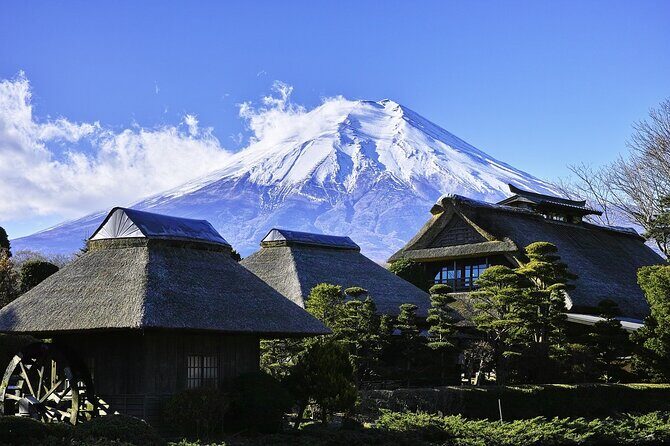
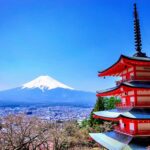
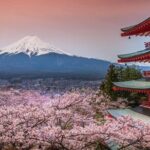
The first big visual hit is Chureito Pagoda. This is one of the classic Mt. Fuji viewpoints. On clear days, the composition is breathtaking: the pagoda framed with Fuji in the background, which is why people aim for it as their opening shot of the day. The visit is timed for about an hour, and admission is free, so you’re not burning money just to stand around.
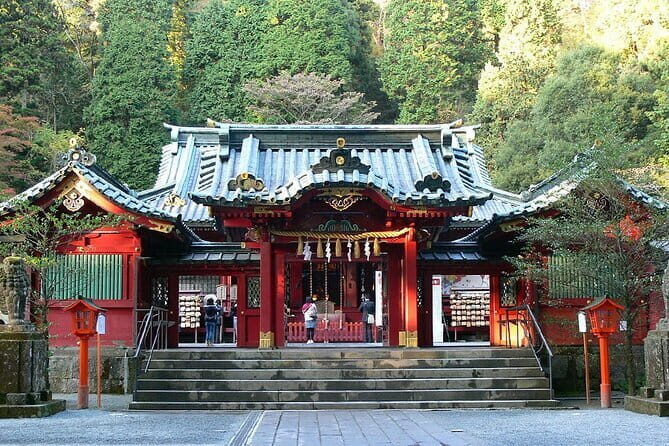
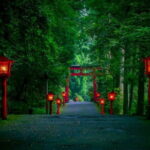
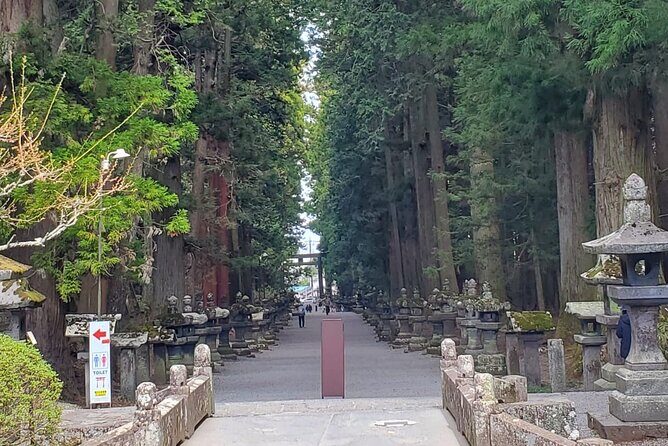
Right after that, you’ll spend time at Arakura Fuji Sengen Shrine. It sits on a hillside area near Fujiyoshida and is known for the view that pairs the shrine setting with the famous Chureito Pagoda angle. The time is shorter here—around 30 minutes—but it’s a smart complement: Chureito gives you the wide iconic view; Arakura gives you a more “arrive, look around, and soak it in” shrine visit with the scenery still doing the heavy lifting.
If your goal is photography, treat these stops like a two-stage process:
- Arrive early if you can and take your first wide shots quickly.
- Then slow down for smaller details at the shrine area and different angles around the view points.
That rhythm helps when crowds thicken, because the best light doesn’t wait for your schedule.
Mt. Fuji 5th Station: optional altitude, optional realism
Mt. Fuji’s 5th Station is the “if conditions allow” stop. It’s optional, it runs about 1.5 hours, and admission isn’t included. The height (around 2,300 meters) puts you in the zone where the mountain can look like it rises from cloud level, and that’s part of the thrill.
There’s also a spiritual layer. You can visit Fujisan Komitake Shrine, and it’s described as a spiritual stop for climbers. The tour info also notes the Yoshida Trail starts here—so even if you’re not climbing, it gives you context for why this is a meaningful place, not just a viewpoint.
The practical consideration is simple: the higher you go, the more your day depends on weather. Clouds can swallow the view. Wind or cold can make walking more tiring. If the sky looks promising and you’re up for it, this is one of the most memorable parts of a Fuji-focused day.
If visibility isn’t great, you’ll be glad this stop is optional. You can keep momentum and spend that time on other sights where the scenery is less likely to disappear.
Lakes and Oshino Hakkai: Fuji Five Lakes energy in a single route
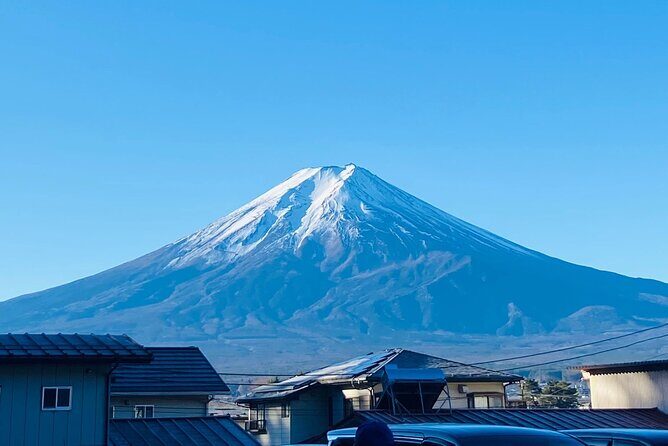
After the shrine and pagoda views, the itinerary shifts from “Fuji from above” to “Fuji reflected in water.” That’s where the day changes pace in a good way.
Lake Kawaguchiko: ropeway and cruise-style views
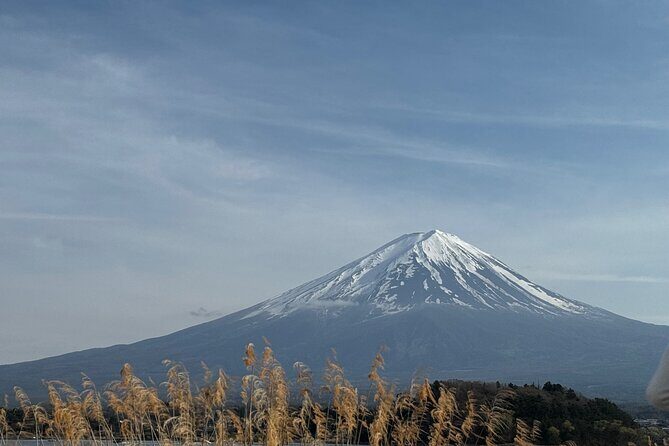
Lake Kawaguchiko is one of the major lakes in the Mt. Fuji area and often called the second biggest after Lake Yamanaka. You’ll spend about an hour here. Admission isn’t included, and the tour info points out you can see Mt. Fuji from the Kachi Kachi ropeway or from a cruise setup at the lake.
This is a stop where you can decide how active you want to be. If you don’t want extra ticketing or lines, just enjoy the lake setting and views from the main areas. If you do want the ropeway or cruise style experience, plan extra time because queues can be real, especially in peak periods.
Other Tokyo + Mt Fuji + Hakone combo tours we've reviewed
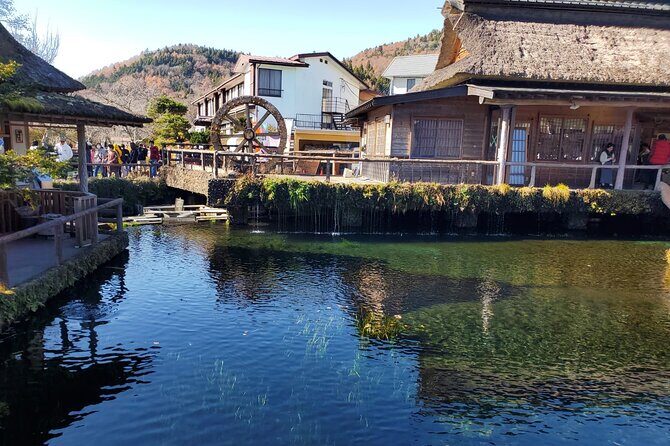
Oshino Hakkai: eight ponds, easy wandering
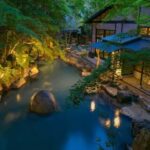
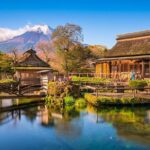
Oshino Hakkai is small and scenic, built around a cluster of ponds—eight of them—with Mt. Fuji views and souvenir-and-snack vendors nearby. The visit is about an hour, and admission is free.
This stop is a great “reset.” You can slow down, walk at a comfortable pace, and enjoy the calmer vibe compared with the more crowded pagoda area. It also feels more local. You’re not just standing at a viewpoint; you’re moving through a compact area where the ponds are the star.
Lake Yamanaka: quieter Fuji-lake atmosphere
Lake Yamanaka is the largest of the Fuji Five Lakes by surface area and sits at a higher elevation than some of the others. You’ll get about an hour here, with admission free.
This is another “water + Fuji” stop. It’s a nice counterbalance before the tour heads into Hakone’s volcanic zones. If you’re trying to balance your day, Lake Yamanaka is a good place to take a breath, grab a snack, and let the views do their job without feeling rushed.
Hakone volcanic stops: Owakudani steam and Lake Ashinoko magic
Once you pivot into Hakone, the scenery becomes more dramatic and more unusual.
Owakudani Valley: steam vents and sulfur landscapes
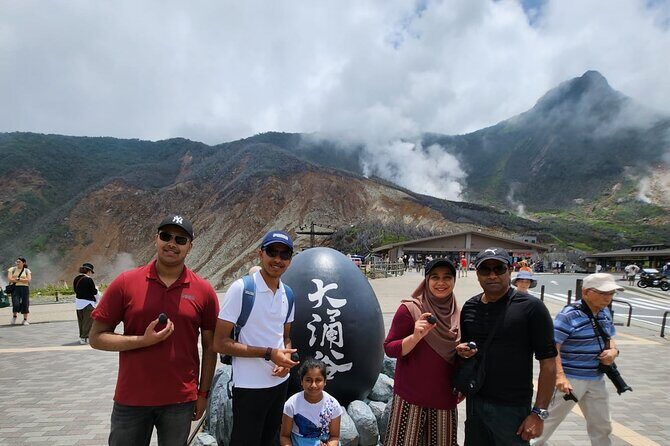
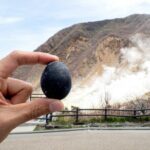
At Owakudani Valley, you’re in a volcanic zone known for steaming vents, hot springs, and sulfuric landscapes. The tour allots about an hour, and admission is free. This is one of those stops where the air itself feels different—warmer, sharper, more “active Earth” than “postcard mountain.”
You’re not walking through a museum or a curated garden. You’re there to see the volcanic landscape and understand why Hakone is famous for thermal waters and volcanic activity.
Lake Ashinoko: lakeside views and optional cruise time
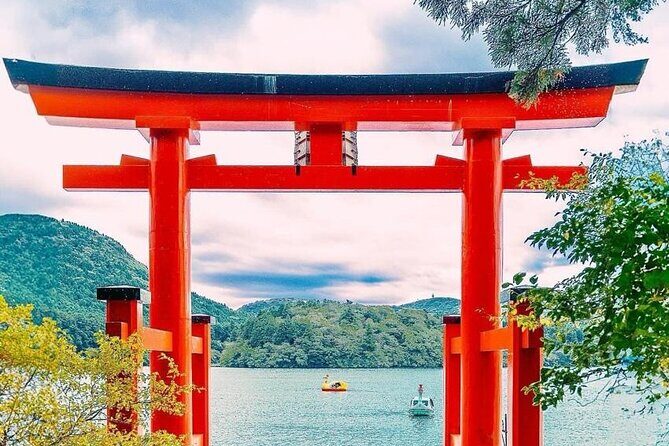
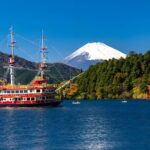
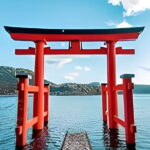
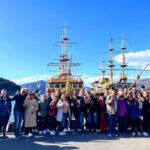
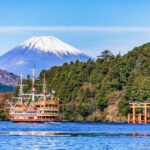
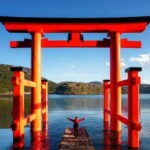
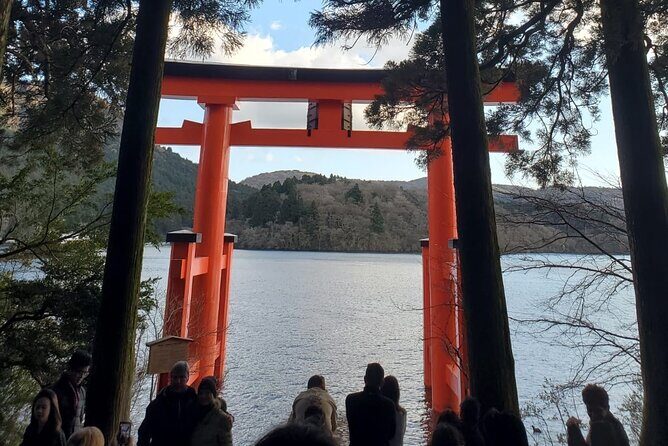
Lake Ashinoko (also referred to as Hakone Lake) is about an hour on the schedule. Admission is free. The tour info notes you can experience a pirate cruise on Lake Ashi-no-ko, though that part is not marked as included—so treat it as an optional add-on depending on what the day allows.
This is a good place to switch from foot-on-volcanic-ground to sitting and taking in long views. Even if you don’t do a cruise, the lakeside setting is a payoff after Owakudani.
Hakone Ropeway: iconic views, possible lines
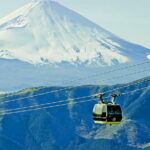
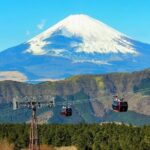
Finally, you’ll have time for the Hakone Ropeway—about 30 minutes in the plan. Admission isn’t included. This is one of Japan’s scenic cable car experiences, connecting areas like Togendai and Owakudani (depending on which segment you take).
Here’s the one practical warning from real experience: if you choose the ropeway, expect queues. If the weather is clear, it’s often worth waiting. If not, you might still enjoy the ride, but your payoff will be softer.
Why the guide and timing matter on this kind of day
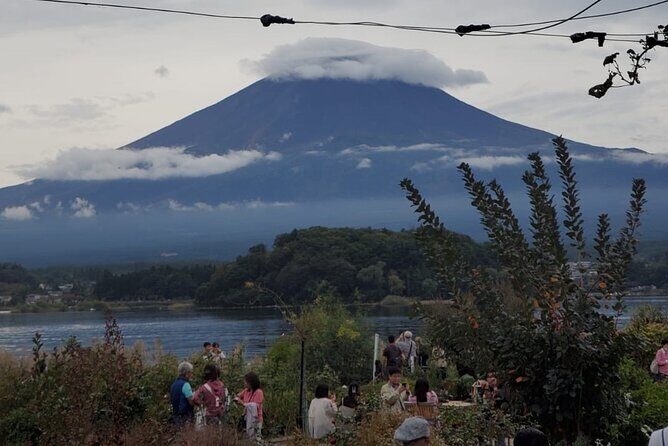
A trip like this lives or dies by timing. You’re hitting multiple popular stops in one day, and each one can get busy quickly. The private format helps, but the real advantage is the guide’s ability to keep you moving efficiently.
In past experiences with guides including Ahsan and Atif Cheema, the focus was on finding quick ways to enter and exit sites and adjusting when traffic slowed down. That’s not a small thing. In Tokyo’s traffic and on route to Fuji and Hakone, delays happen. A strong guide turns delays into manageable reroutes instead of turning the day into a rushed scramble.
This also shows up in how guides help you decide what to do at each stop. It’s not just sightseeing; it’s advice on where to stand, what to prioritize first, and when to move on so you don’t miss your best chance at views.
If you like structure but still want some control, this tour’s style fits. It gives you a framework, then lets you adjust within it.
Price and what you’re really paying for (per group, not per person)

At $495.39 per group (up to 5), this isn’t “cheap.” But it is value-driven if you’re traveling with a small group.
What you’re buying isn’t just a car ride. You’re paying for:
- Round-trip hotel transport from central Tokyo
- Private luxury transportation (not a shared coach)
- All taxes, tolls, and fees included in the transport
- A professional guide in English
- In-vehicle comforts like Wi‑Fi and USB charging
If you’re one or two people, the cost per head can feel steep compared with cheaper group tours. If you’re four or five people, the math improves fast because you’re splitting one group rate. Also, the private format saves time that you can’t always replace once you’re already at the sights.
Think of it like this: you’re paying to buy back your day. You get to spend those hours actually looking at Fuji and Hakone, instead of negotiating transfers.
Who this private tour suits best
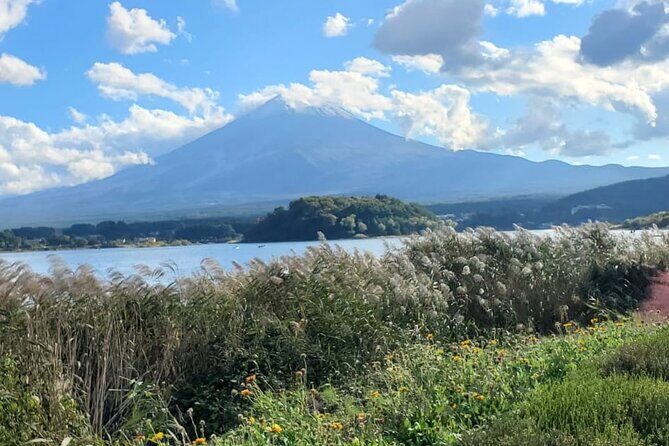
This tour is a strong fit for:
- Small groups or families who want door-to-door pickup and a relaxed rhythm
- People with limited time in Japan who want both Mt. Fuji views and Hakone scenery in one day
- Travelers who don’t want to plan multiple day trips or learn train timing on the fly
- Anyone who likes comfort and wants a guide to handle the logistics
It may feel like a lot for travelers who want long, slow hangs at one place. This is a “many highlights” day, not a stay-all-afternoon in one village. If that’s your style, consider whether splitting Mt. Fuji and Hakone into separate outings would suit you better. The time crunch is the trade, but the upside is hitting more iconic sights without the stress.
Practical tips to get the best day possible
This is a weather-dependent route. Mount Fuji views are best when visibility is clear, and the tour requires good weather—so don’t assume every day will deliver the same sky.
A few tips that make the day easier:
- Bring layers. Even when Tokyo feels mild, higher elevations like the 5th Station can feel colder.
- If you plan to use ropeway or optional cruise-style add-ons, give yourself buffer time and be ready for lines.
- Keep cash or a card ready for stops where admission isn’t included, like the 5th Station and the ropeway.
- At lakes and market-style areas like Oshino Hakkai, take a snack break. You’ll be out for a full 9–10 hours.
Also, from real trip advice: at least one person recommended buying fruit while you’re out in the Fuji area. That’s the kind of small local upgrade that costs little but makes the day feel more memorable.
Should you book this Mt. Fuji and Hakone private day tour?
If you want the easiest way to check off both Mt. Fuji and Hakone in one day, and you value comfort plus a guide who can keep things organized, I’d book it. The private pickup and transport are the reason this works so well—especially if you don’t want to gamble your day on transit schedules.
I’d hesitate only if you hate crowd-y photo stops or you’re extremely sensitive to weather. When clouds roll in, Fuji views can soften. But the itinerary still delivers a full day of meaningful sights: shrines, ponds, volcanic landscapes, and lakeside scenery.
FAQ
How long is the Majestic Mt. Fuji & Hakone retreat private day tour?
The tour runs about 9 to 10 hours.
How many people are in a group?
It’s a private tour for your group, with pricing listed per group up to 5 people.
Is hotel pickup and drop-off included?
Yes. Hotel pickup and drop-off is included in central Tokyo.
What’s included in the transportation?
You’ll get private luxury transportation with air-con and onboard Wi‑Fi, plus USB charging. All taxes, tolls, and fees are included.
Are entrance tickets included for all stops?
Not for everything. The Mt. Fuji 5th Station and some scenic transport like the Hakone Ropeway (and other optional experiences such as ropeway/cruise-style options) are marked as admission not included. Some stops are listed as free.
What happens if the weather is poor?
The experience requires good weather. If it’s canceled due to poor weather, you’ll be offered a different date or a full refund.
Is free cancellation available?
Yes. You can cancel up to 24 hours in advance for a full refund.
If you want, tell me your travel month and group size, and I’ll suggest the best way to prioritize the optional parts like Mt. Fuji 5th Station and any ropeway/cruise-style add-ons.