REVIEW · TOKYO
Private Hakone Tour – View of Mt. Fuji, Nature and Culture
Book on Viator →Operated by Hello! Tokyo Tours · Bookable on Viator
Hakone is the day trip that earns its hype. This private plan takes you from Tokyo by Shinkansen with major sights already lined up, and you get a real guide plus hotel meet-up timing. I also like the built-in choice between the Hakone Open Air Museum and a traditional onsen—so you can match the day to your mood. The main consideration: this is a walking-focused day (about 9 to 12 km), with stairs and uneven paths.
You’ll hit the Hakone hits in a smart order, with time to ask questions instead of sprinting between stops. I love the way the tour mixes sacred stops (Hakone Shrine) with real volcano-town fun (Owakudani black eggs), then adds mountain views via Lake Ashi and the ropeway. One more reason this feels worth it: key transportation and entry fees are bundled, so you don’t lose time figuring out tickets on the fly.
In This Review
- Key Highlights You’ll Care About
- Private Hakone Day Trip: What Makes It Feel Different
- Meet-Up Timing and Getting to the Train Without Headaches
- Odawara to Hakone-Yumoto: Temples and a Real Hot-Spring Town
- Lake Ashi Cruise and Hakone Ropeway: Where Fuji Enters the Day
- Owakudani Valley: Black Eggs and Volcano Reality
- From Owakudani to Gora: The Mountain Transit Portion You Shouldn’t Skip
- Hakone Open Air Museum or Onsen: Pick Your Perfect Ending
- The Walking Reality: How to Pack and Pace for This 11-Hour Plan
- Price and Value: Why $867 Can Make Sense for the Right Day
- Weather, Fuji Views, and How to Keep the Day Working
- Who This Tour Fits Best (and Who Might Want Another Option)
- Should You Book This Private Hakone Tour?
- FAQ
- FAQ
- What time does the tour start?
- Does the tour include the Shinkansen train tickets?
- What’s included for Hakone attractions and transport?
- Do I choose between the museum and an onsen?
- How much walking is involved?
- What happens if the tour is canceled due to weather?
Key Highlights You’ll Care About
- Hotel meet-up, plus guide support to make the Tokyo-to-Hakone transfer feel simple
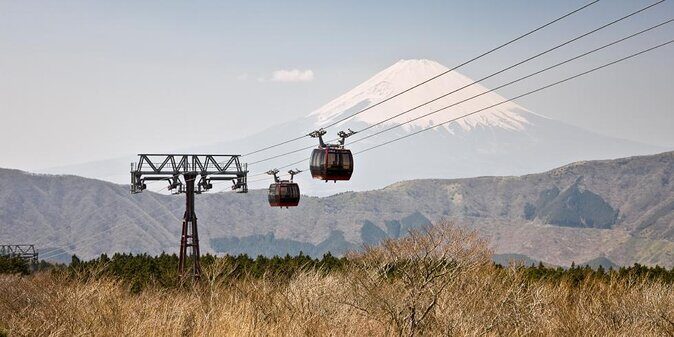
- Mount Fuji viewpoints in two different ways from Lake Ashi and the Hakone Ropeway
- Owakudani Valley black eggs in the “valley of hell,” explained and handled for you
- Cable-car style mountain transit (Hakonetozan) that’s more fun than plain rail travel
- Museum-or-onsen choice so you control the vibe of the last big stop
- Private format with no strangers joining your day
Private Hakone Day Trip: What Makes It Feel Different
Hakone can be confusing fast. You’re dealing with trains, ropeways, local connections, and multiple ticket types. This is built as a full day with the logistics stitched together: meet your guide, ride the bullet train to Odawara, then move through Hakone using local rail and scenic transport.
The private format is the quiet superpower here. You’re not watching the back of someone else’s itinerary. You can ask for help with what to do next, how long to linger at a viewpoint, or what to prioritize if you’re tired. If you’ve ever tried to coordinate transfers in Japan while juggling signs in a second language, you’ll appreciate why this matters.
One detail that stuck with me from prior experiences is how guides like Yasu have helped people avoid getting stuck in the subway. That’s the kind of small stress this tour is designed to remove early, before the day even really starts.
More Mt Fuji & Hakone tours we've reviewed

Meet-Up Timing and Getting to the Train Without Headaches
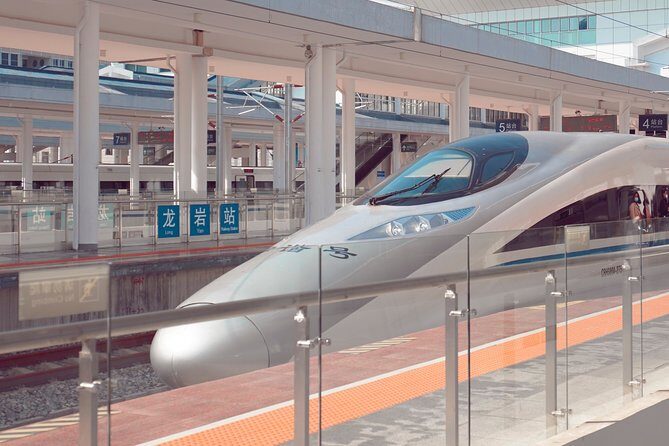
Your day begins with a meet-up in your hotel lobby between 7:30 AM and 8:30 AM, depending on where you’re staying. If you prefer, you can travel by subway or taxi to the starting point near Shinagawa or Tokyo Station. The tour then gets you to Odawara by Shinkansen.
This is a smart approach because it respects what most people actually need: a clean start. Morning in Tokyo can be tricky—crowds, station exits, and the sheer number of paths. Having your guide handle the “where are we exactly?” problem early saves your legs and your patience.
You should also know the tour runs about 11 hours. That’s long enough to feel like a full day, but short enough that you’ll still have time to enjoy Hakone without losing your whole evening to travel.
Odawara to Hakone-Yumoto: Temples and a Real Hot-Spring Town
After the Shinkansen arrives at Odawara, you’ll take a local train to Hakone-Yumoto, the hot-spring area that acts like a base camp for visitors.
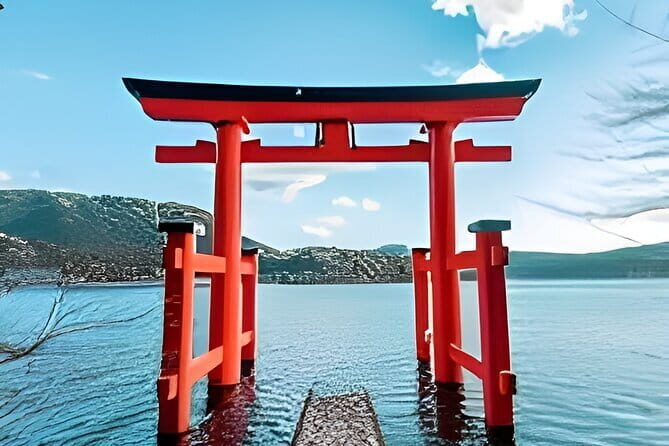
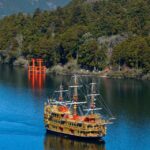
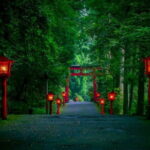
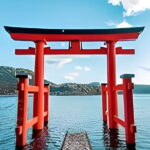
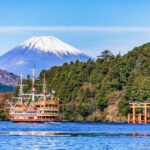
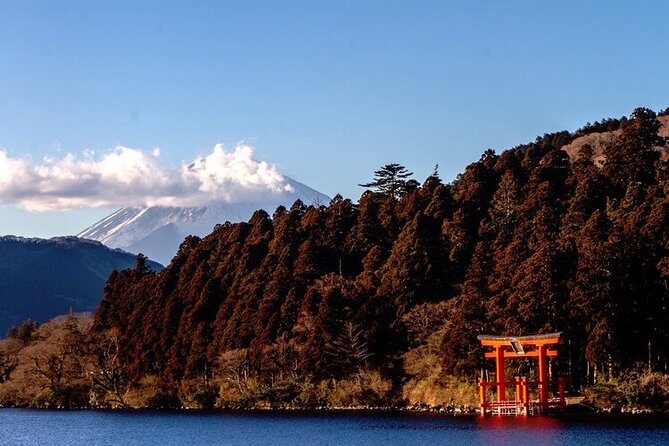
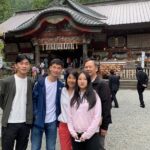
The first major on-the-ground stop is Hakone Shrine, famous for its torii gate in the water and its roots going back to the 1600s (1667 is the specific year used here). Even if you don’t read a single sign, the setting does the job: you get a sense of why this place keeps pulling people in year after year. The tour includes about an hour here, which is enough to walk the main parts and soak up the atmosphere without turning it into a race.
From there, you shift into Hakone’s more theatrical side—still traditional, but warmer and more tourist-friendly. Hakone-Yumoto isn’t just a transit stop. By the end of the tour you’ll also get a quick look around the souvenir area before heading back.
Lake Ashi Cruise and Hakone Ropeway: Where Fuji Enters the Day
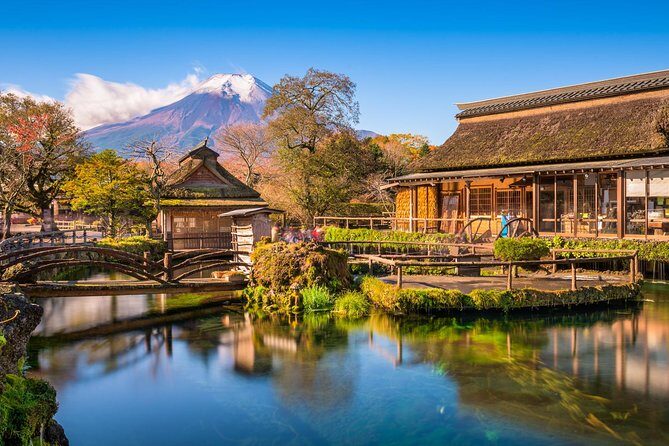
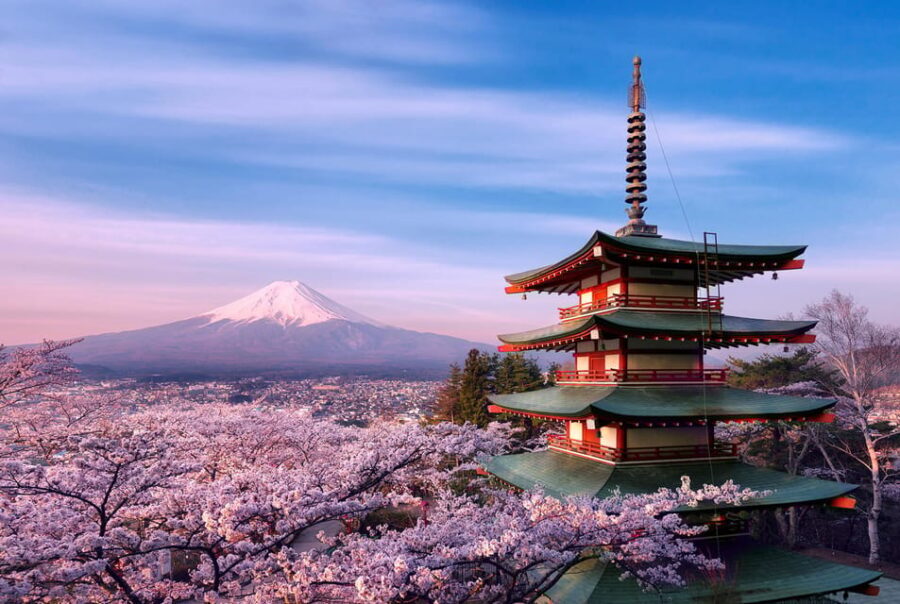
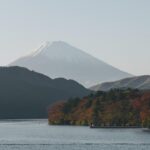
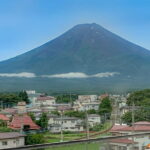
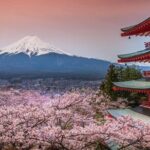
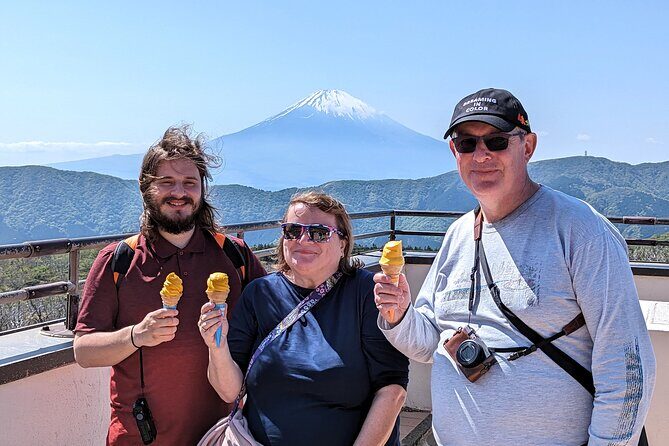
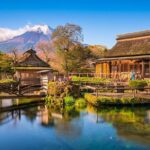
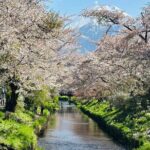
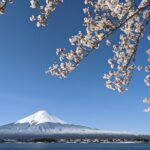
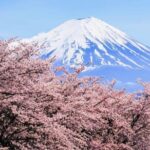
Mount Fuji views are the big reason many people choose Hakone. This tour spreads those views across two stops, which is a nice hedge against the day feeling repetitive.
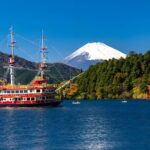
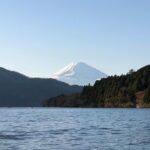
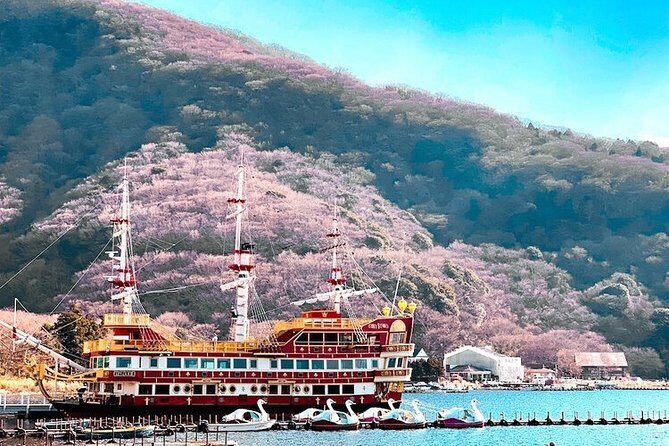
First comes Lake Ashi via a sightseeing cruise. It’s about 25 minutes, and the tour frames the experience as weather-dependent—which is honest and practical. From the water, you get a different angle than you would from land, and it often feels calmer because the cruise controls your pace.
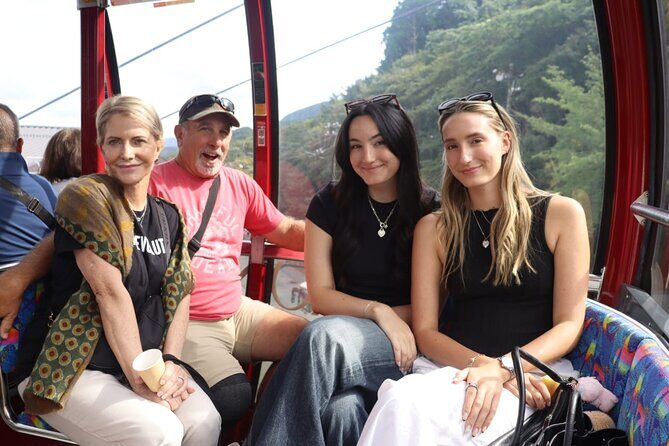
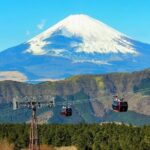
Then you take the Hakone Ropeway up toward Mt. Hakone for another viewpoint (again, weather-dependent). It’s a short ride (about 10 minutes) but it changes the feel of the day. You stop thinking of Hakone as “a route between attractions” and start thinking of it as a mountain system.
Practical tip: when you’re planning your day, keep your expectations flexible. If clouds roll in, you still get the experience of moving through the Hakone terrain by ropeway and cruise. The “wow” moment can be different, not automatically missing.
Owakudani Valley: Black Eggs and Volcano Reality
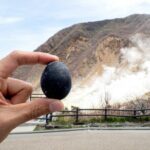
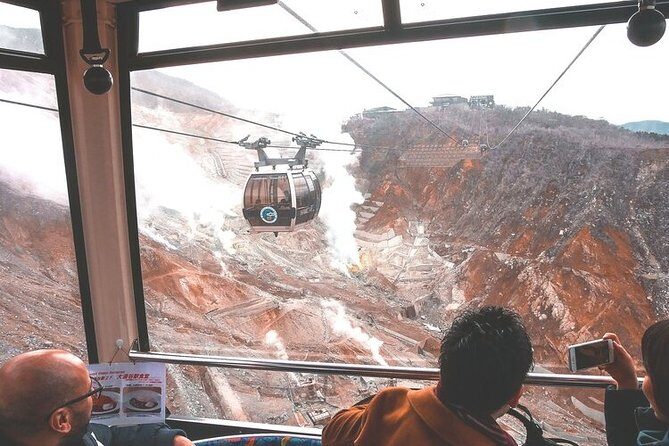
Next up is Owaku-dani Valley, often described as the valley of hell because of the sulfurous activity from the volcano below. The tour is clear that it’s perfectly safe, and it also explains what you’re looking at: sulfur fumes and the steam-like energy you’ll see in the area.
What you’ll do here that’s both fun and memorable is the chance to try the legendary black eggs, cooked in the hot springs. It’s included, and it’s not just a snack—it’s part of the local story. You’ll likely want a moment to smell the air and stand back to watch the geothermal activity before you focus on the eggs and the photos.
This stop runs about 1 hour 30 minutes. That time matters. If you rush Owakudani, you miss the point. Take a breath. Look around. Then eat the eggs and move on when you’re ready.
Other private tours in Tokyo
From Owakudani to Gora: The Mountain Transit Portion You Shouldn’t Skip
After Owakudani, you head toward Gora with scenic mountain transport. The plan includes transfer via ropeway where you connect to Hakonetozan, a cable-car style railway system built into the mountains.
This is one of those segments that feels minor on paper but is actually enjoyable in motion. You’re already spending most of the day moving through Hakone, so adding a transit experience that’s part of the scenery helps the whole day flow better.
It’s also short—around 10 minutes for this transfer portion—so it doesn’t drag. You arrive ready for the penultimate stop.
Hakone Open Air Museum or Onsen: Pick Your Perfect Ending
The day’s next big decision is your penultimate stop: choose between the Hakone Open Air Art Museum or a traditional onsen. Both entrance options are included.
If you like space, fresh air, and art set in nature, the Hakone Open Air Museum is a strong fit. It mixes art and outdoors, and the tour allocates about 1 hour 30 minutes—enough to see the main areas without watching the clock too hard.
If you’re more in “reset mode,” the onsen option is the better ending. After a day that includes ropeways, stairs, and volcano heat, soaking is practical. It’s also a cultural experience that’s easy to understand once you’re in it, even if you didn’t grow up around onsen etiquette.
Either way, you get a payoff that isn’t just sightseeing. You end with a more personal kind of relaxation, then finish with a short look at Yumoto for about 30 minutes before the return ride.
The Walking Reality: How to Pack and Pace for This 11-Hour Plan
This is where you need to be honest with yourself.
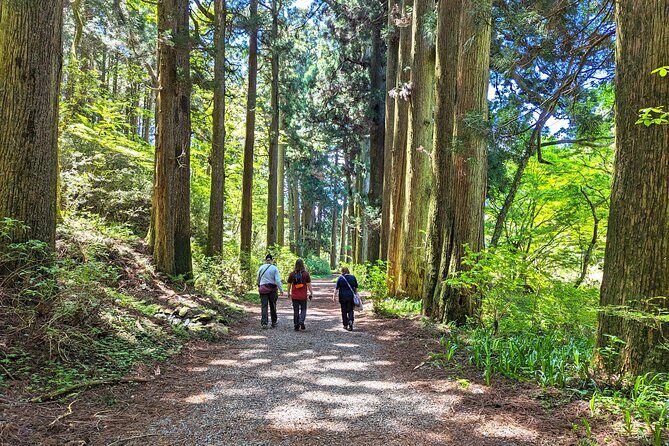
The tour requires walking unaided, and the estimate is about 9 to 12 km over the course of the day. You’ll also deal with stairs and uneven ground at Hakone Shrine and on nature trails, plus slopes and stair steps around train stations.
So what should you do?
- Wear shoes you can trust for long distances, not just “pretty” footwear.
- Bring layers. Ropeways and open-air spots can feel cooler than Tokyo.
- If you get tired easily, you’ll want to pace yourself early. The morning pace sets the tone.
Also note the practical requirement: you need to be able to get yourself on and off buses. Even though a lot is guided, you’re still moving through transit.
If that sounds like your comfort zone, this tour will feel smooth. If not, you may end up wishing for a slower plan.
Price and Value: Why $867 Can Make Sense for the Right Day
At $867 per person, this is not a budget outing. But value isn’t only about cost. It’s about how much you’d spend and how much time you’d burn trying to assemble the same day yourself.
Here’s what helps justify the price based on what’s included:
- Round-trip Shinkansen between Tokyo and Odawara
- Entry and experience fees for major stops
- Local transport within Hakone, including ropeway/cable car segments
- A professional private guide who can adapt the day to your questions
- You’re not paying for uncertainty. You’re paying for reduced stress and less planning work
The touring style also matters. This is designed to let you explore without crowd pressure. That can be a big deal if you’re visiting during busy seasons or simply don’t enjoy rushing.
One more small thing: you’re also getting the kind of day where you can make better use of limited time in Japan. If Hakone is one of only a handful of outside-Tokyo days you can do, a bundled private plan is often the cleanest way to protect that time.
Weather, Fuji Views, and How to Keep the Day Working
This tour has multiple “weather-dependent” components, including views during the Lake Ashi cruise and the Hakone Ropeway, and the overall experience is tied to what the sky allows that day.
The good news: even when Fuji isn’t perfectly framed, you’re still doing the full Hakone circuit—shrine, volcano valley, geothermal eggs, mountain transit, and your choice of art or onsen.
A practical way to think about it: aim for the best possible day for views, but don’t gamble the rest of your day on one clear moment.
Who This Tour Fits Best (and Who Might Want Another Option)
This private Hakone plan is a strong match if you want:
- A no-crowd feel and private pacing
- Help with multi-leg transit from Tokyo
- To cover key Hakone sights in one day without ticket chaos
- A choice between museum time and onsen time
You might look at alternatives if you:
- Prefer lighter walking or shorter stops
- Want a more flexible itinerary that isn’t structured around fixed transport segments
- Don’t feel comfortable with stairs and uneven terrain
If you’re in good physical shape and want Hakone as a complete, guided day trip, this is a solid choice.
Should You Book This Private Hakone Tour?
If you can handle 9 to 12 km of walking and you want Fuji viewpoints plus a real mix of culture and geothermal fun, I’d book this kind of private day without overthinking it. The bundled Shinkansen, included major entry fees, and guide support make it feel like a planned experience instead of a puzzle.
If you’re trying to travel with minimal walking, or you hate long transit days, then you’ll probably be happier with a shorter Hakone-focused plan. But if you want the full Hakone hit list—temple, lake views, ropeway, Owakudani black eggs, and an art-or-onsen finish—this is built for that exact goal.
FAQ
FAQ
What time does the tour start?
The start time is listed as 7:30 AM, and your guide meets you in your hotel lobby between 7:30 AM and 8:30 AM depending on your hotel location.
Does the tour include the Shinkansen train tickets?
Yes. Bullet train rides to and from Tokyo to Odawara Station are included.
What’s included for Hakone attractions and transport?
The tour includes admission/fees and rides for Hakone Shrine (free entry), Lake Ashi cruise, Hakone Ropeway, Owakudani Valley, and Hakonetozan Cable Car, plus Hakone Open Air Museum or onsen entrance. It also includes bus rides at Hakone.
Do I choose between the museum and an onsen?
Yes. At the penultimate stop, you can choose the Hakone Open Air Art Museum or a traditional Japanese onsen, and the entrance is included either way.
How much walking is involved?
You should have moderate fitness. The tour requires walking unaided and includes about 9 to 12 km of walking, with stairs and uneven ground (including at Hakone Shrine and nature trails).
What happens if the tour is canceled due to weather?
This experience requires good weather. If it’s canceled due to poor weather, you’ll be offered a different date or a full refund. The experience is listed as non-refundable and cannot be changed for any reason otherwise.