REVIEW · TOKYO
Tokyo: Mt. Fuji and Hakone Tour with Cable Car and Cruise
Book on GetYourGuide →Operated by H.I.S. Co Ltd(TIC) · Bookable on GetYourGuide
Mt. Fuji feels close on this one-day loop. I like how the tour takes you up to the Mt. Fuji 5th Station with an English guide, then drops you into Hakone’s volcanic zone at Owakudani by ropeway and into the calmer air over Lake Ashi. One thing to consider: the schedule runs on a tight clock, and traffic or weather can reduce photo time at the summit viewpoint.
The standout value is that you’re not just seeing one scene. You get the altitude push (Subaru Line), the volcanic theatrics (fumaroles and solfataras), and the classic Hakone payoff of a Lake Ashi cruise where Mt. Fuji can appear dramatically if the sky cooperates. The possible drawback is that visibility is not guaranteed, and when plans shift for weather, you may get alternatives instead of a full version of every stop.
In This Review
- Key Moments Worth Knowing Before You Go
- Getting Out of Shinjuku: A Direct Hit at Mt. Fuji Altitude
- Mt. Fuji 5th Station: Photos, Souvenirs, and Watching the Weather Move
- A small but important note: water at 5th Station
- The Drive on the Subaru Line and Chūō Expressway: Japan in a Single Day
- Lunch at the 45–60 Minute Mark: Hot Pot and Half Buffet Reality
- Hakone Ropeway to Owakudani: Volcanic Steam Up Close
- Respiratory consideration
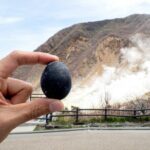
- The black eggs (optional, but famous)
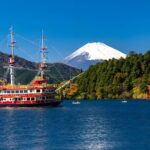
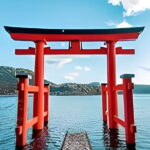
- Lake Ashi Cruise: When Fuji Shows Up, It Actually Hits
- How the Tour Handles Bad Weather (and Why It Can Feel Rushed)
- Price and Value: Why $92 Can Be a Good Deal
- Wheelchairs and Getting Around: Straight Talk Before You Book
- Return to Tokyo: Bus Back, Optional Drop-Offs, and Your Next Plan
- Should You Book This Tokyo to Mt. Fuji and Hakone Day Trip?
- FAQ
- Is lunch included on this Mt. Fuji and Hakone tour?
- What if Mt. Fuji is not visible due to weather?
- What happens if the Hakone Ropeway or another activity does not operate?
- How long is the tour?
- Where does the tour start and how does pickup work?
- Does the tour help with wheelchair access?
- How do I return to Tokyo after the tour?
Key Moments Worth Knowing Before You Go
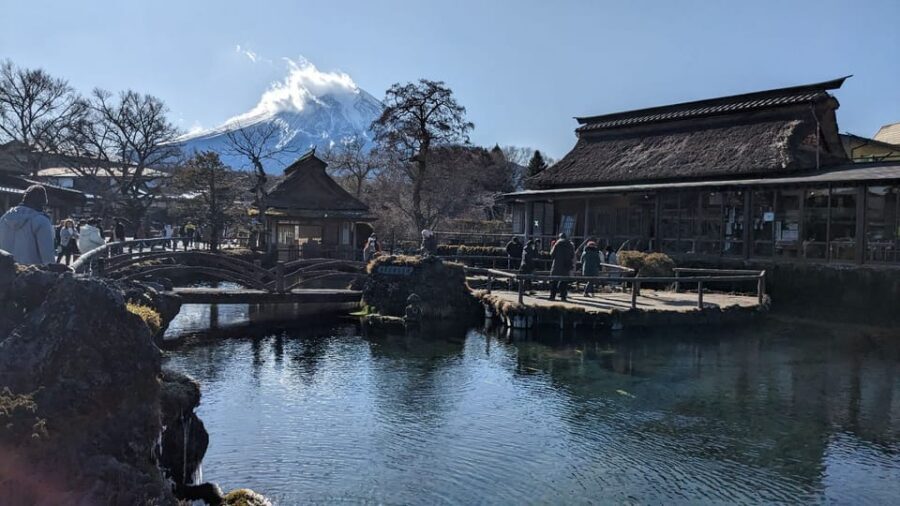
- 5th Station timing matters: clouds move fast, so plan to shoot photos right when you arrive.
- Owakudani is real volcano country: you’ll see steam vents; if you’re sensitive, think carefully about your breathing comfort.
- Lunch is short but specific: hot pot plus a half-buffet format (when you select the lunch option).
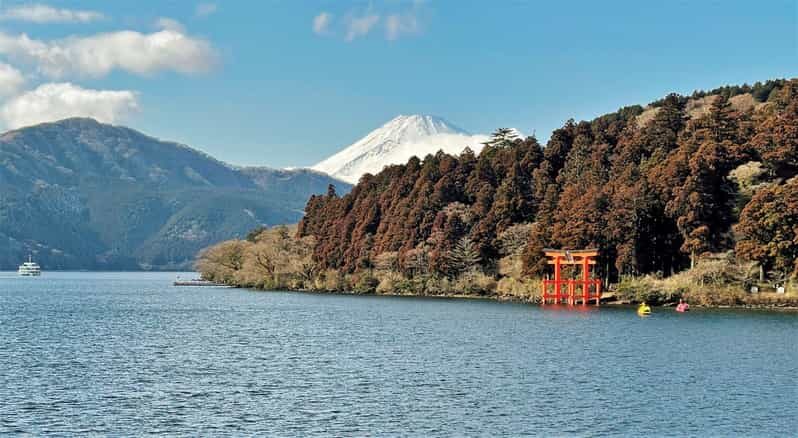
- Lake Ashi adds a reset: a cruise with sweeping views, especially when Mt. Fuji is clear.
- Ropeway might change: if an activity doesn’t operate, the tour swaps in alternatives like Lake Kawaguchi or Mishima Skywalk.
Getting Out of Shinjuku: A Direct Hit at Mt. Fuji Altitude
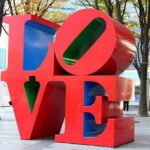
The day starts in Shinjuku, with the pickup point listed as Shinjuku Love Object. From there, you’re on an air-conditioned bus heading toward the Mt. Fuji area for about 2.5 hours. This is the kind of trip where you feel the rhythm shift quickly: you go from Tokyo traffic into the start of the climb.
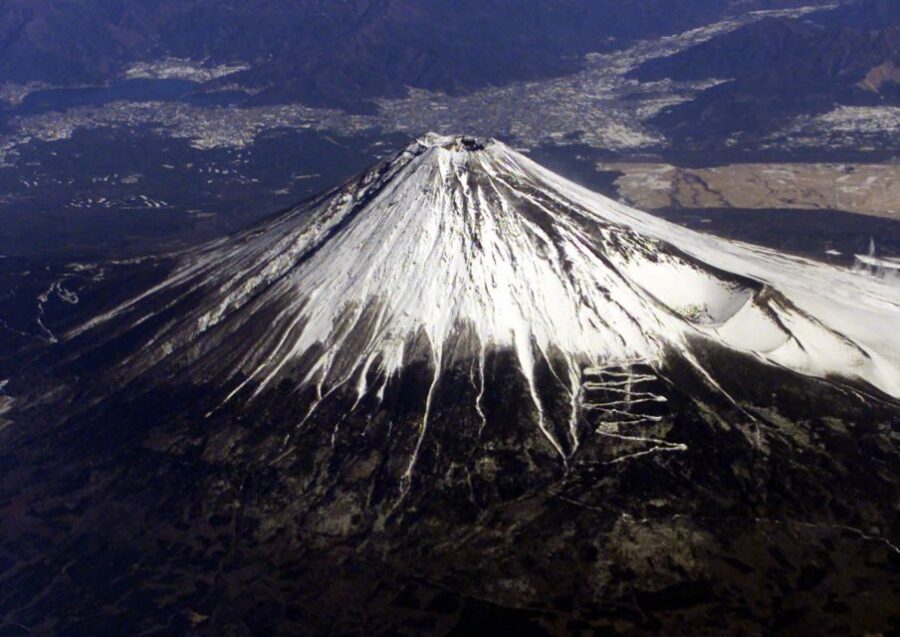
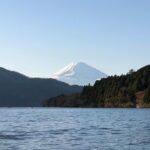
A big reason this tour works for first-timers is that it doesn’t waste your morning on a long, slow “look but don’t reach” approach. You ride up to the Subaru Line level, then continue to the Mt. Fuji 5th Station (around 2,300 meters above sea level). Even if you don’t summit, this elevation changes the whole experience. The air feels different, the temperature can drop, and the mountain stops looking like a distant icon and starts looking like a place.
More Mt Fuji & Hakone tours we've reviewed
Mt. Fuji 5th Station: Photos, Souvenirs, and Watching the Weather Move
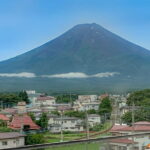
At the 5th Station, you’re closer than ever to the summit. The honest truth with Fuji is that the mountain can hide and reveal itself quickly, and the tour runs on that reality. Clouds move fast, so your eyes need to do their job immediately. If you’re hoping for a clean view, your best move is to treat arrival as your photo window, not later “when we’re done browsing.”
This is also where you’ll find practical extras: souvenirs and a quick stop area connected to local culture, including the Komitake Shrine (described as part of the experience at the 5th station area). It can be tempting to drift into shops, but you’ll get better results by staying outside for views first, then shopping only after you’ve caught what you can.
One of the smartest tips I’d give is about behavior at this stop: plan to take your photos first, then move on. Some days are tight, especially if the bus hits traffic on the way up. That means you may not get a second chance if you decide to linger indoors.
If you can’t reach the 5th Station due to bad weather or an accident on the road, the tour will visit the highest point possible instead. That doesn’t guarantee the same views, but it does mean you’re not left with nothing. You’re getting a climbing-attempt experience, not a symbolic pass-by.
A small but important note: water at 5th Station
Water is precious at the 5th Station. Bring a plan for using restrooms efficiently and avoid wasting time there, since the schedule is built around short windows.
The Drive on the Subaru Line and Chūō Expressway: Japan in a Single Day
One part of this tour that I actually appreciate is how it shows Japan’s variety from behind a window. Between the Mt. Fuji approach and the return route along roads like the Chūō Expressway (and mention of the Subaru Road), you get a quick, real sense of how fast the scenery can shift away from Tokyo density.
It’s not just “getting from A to B.” This is one day where your transportation is part of the story: bus seats let you rest, but you’re also watching the changing terrain and weather. When the sky clears for moments, you’ll often see it first from the road, long before you’re at the mountain viewpoint.
And because you have an English-speaking guide, you’re less likely to feel lost or unsure about what you’re looking at during the transit portions. That matters because Mt. Fuji isn’t always “front and center.” A guide helps you interpret what you can see right now versus what you might catch later.
Lunch at the 45–60 Minute Mark: Hot Pot and Half Buffet Reality
The lunch option is one of the clearest “included value” choices on this tour. If you select it, you’ll get a local meal designed around hot pot plus a half-buffet format. It’s timed for about 45–60 minutes, so it’s not a relaxed, long sit-down. Think of it as fueling up properly before you head back into scenery mode.
If you have food restrictions, you’re asked to let the operator know so everyone can eat comfortably. That’s worth doing, because buffet-style meals can be easy to misunderstand if dietary needs aren’t communicated.
One practical point: the tour doesn’t include drinks. If you tend to drink tea or water with meals, plan to purchase what you need separately.
Other Tokyo + Mt Fuji + Hakone combo tours we've reviewed
Hakone Ropeway to Owakudani: Volcanic Steam Up Close
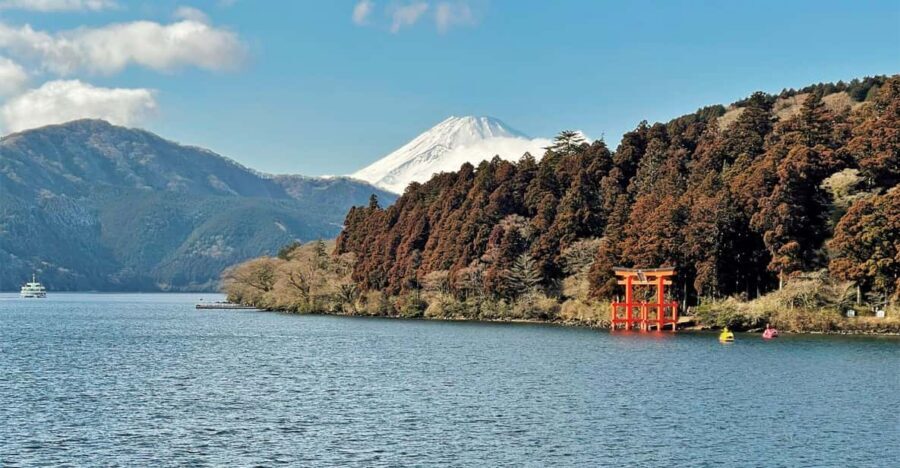
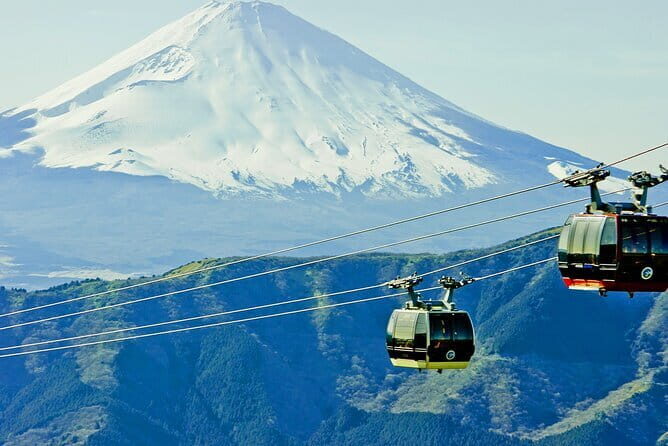
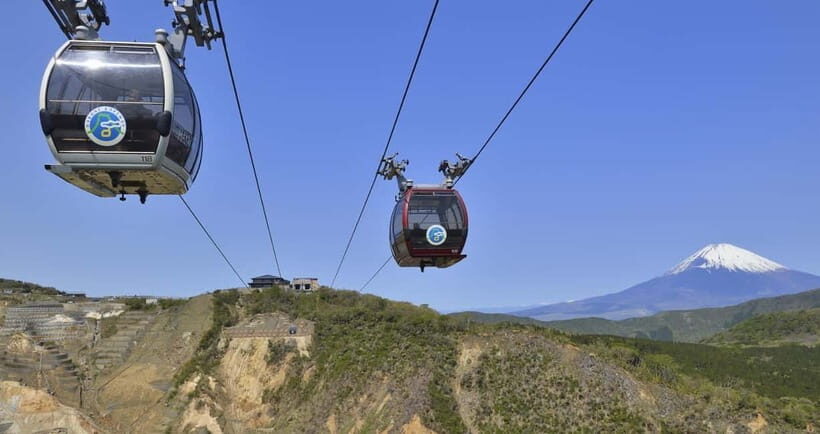
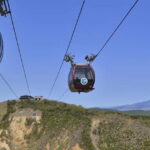
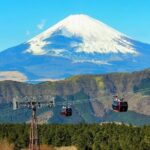
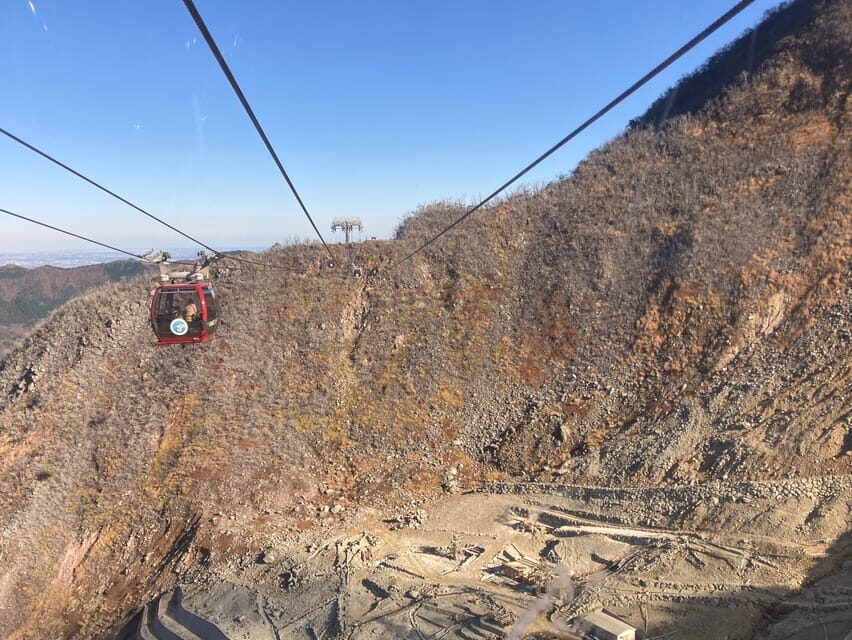
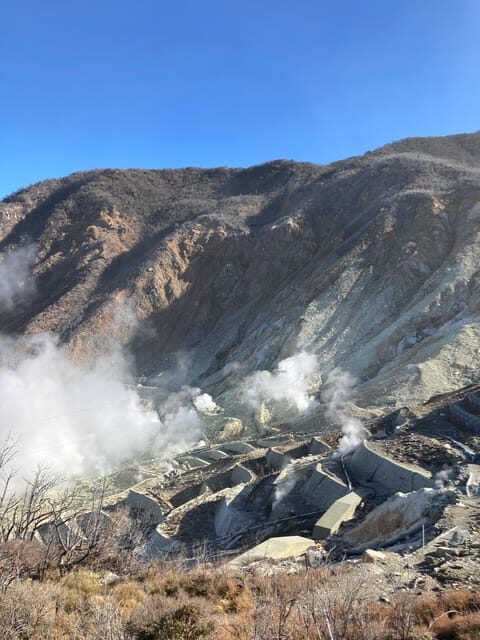
Then comes the big switch: from mountain air to volcano energy. The tour takes you to the Hakone Ropeway (gondola) and into the Owakudani volcanic area.
Here, you’ll see fumaroles and solfataras in all directions. That’s not a metaphor; you’re looking at active-looking geothermal features. The air can smell strongly, and the steam can make visibility and footing different than a normal sightseeing stop.
Respiratory consideration
If you have respiratory problems, the tour specifically asks you to check the situation for yourself. That’s a good warning, and it’s not something to ignore. If you know your lungs don’t like fumes or humidity, this is the moment to think about comfort first, not only about photos.
The black eggs (optional, but famous)
Owakudani is also where you can buy the famous black eggs, boiled in sulphuric water. The tour notes that there’s a fee for these eggs and that it’s not included in the main price. Even if you don’t buy them, this part of the stop is worth seeing for the ritual feel and the unique souvenirs tied to the volcanic setting.
Lake Ashi Cruise: When Fuji Shows Up, It Actually Hits
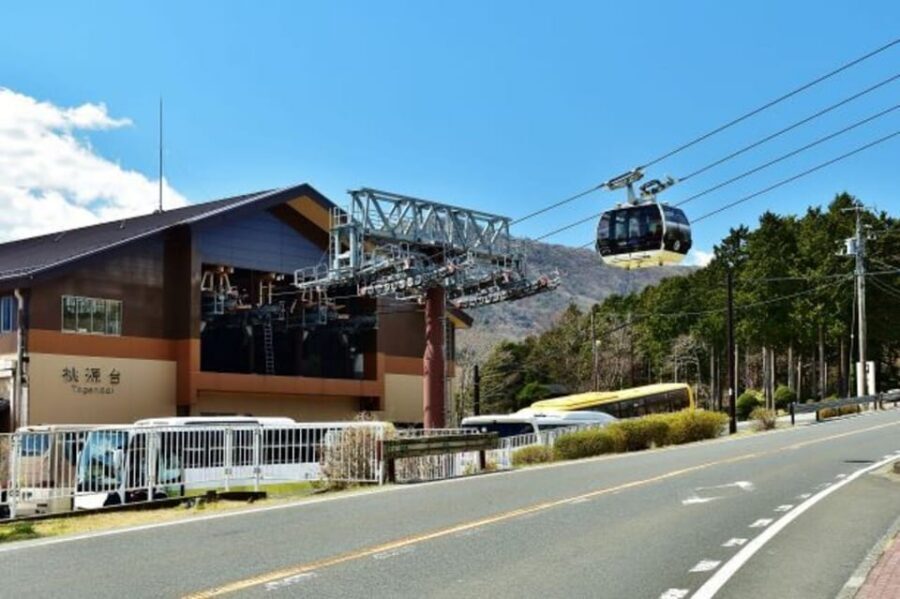
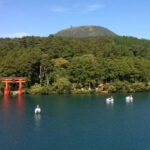
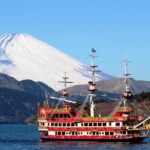
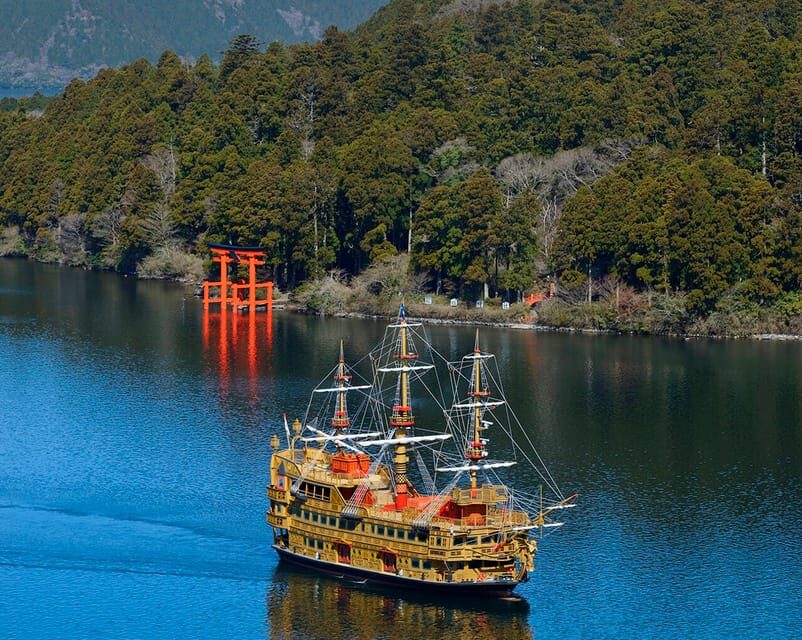
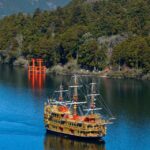
After the volcanic intensity, the Lake Ashi cruise is your breathing space. The idea is simple: hop on a ship and watch the shoreline and mountains drift by.
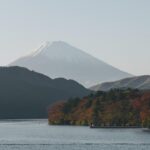
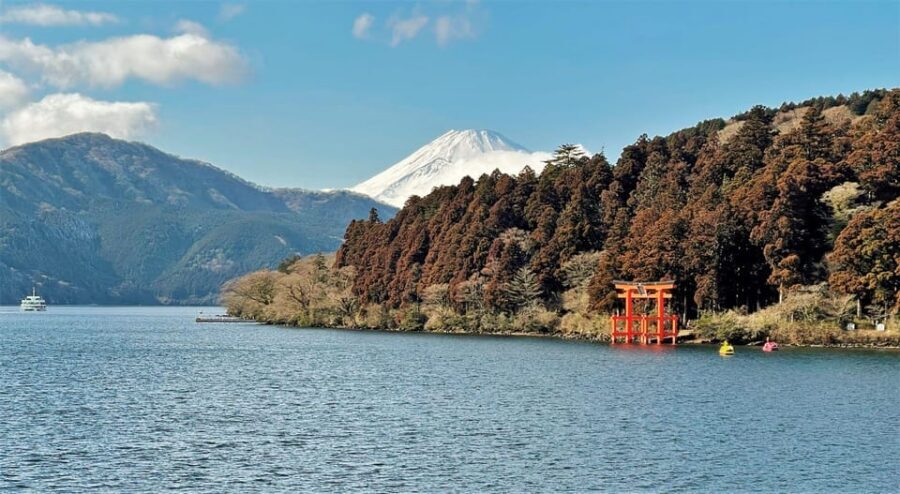
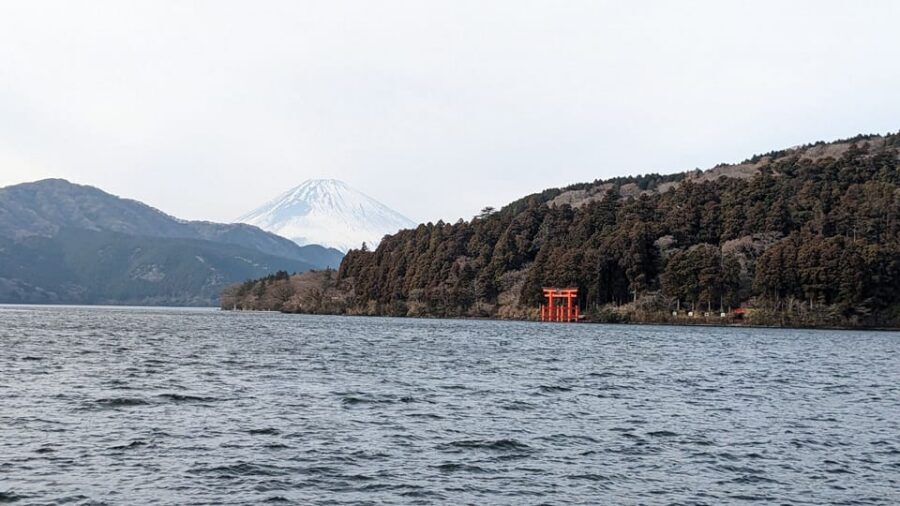
The best part is the Mt. Fuji view risk/reward. When it’s clear, you can enjoy sweeping natural scenery from the deck, and Fuji can appear in a way that’s harder to get on the land route. When clouds are around, the cruise can still be pleasant, but you’re more likely to focus on water and hills than on a clean mountain silhouette.
If you’re the type who plans for weather contingencies, this cruise is a strong “second chance” moment. You’ve already done the climb attempt at the 5th Station; the lake view gives you another shot at Fuji’s presence later in the day.
How the Tour Handles Bad Weather (and Why It Can Feel Rushed)
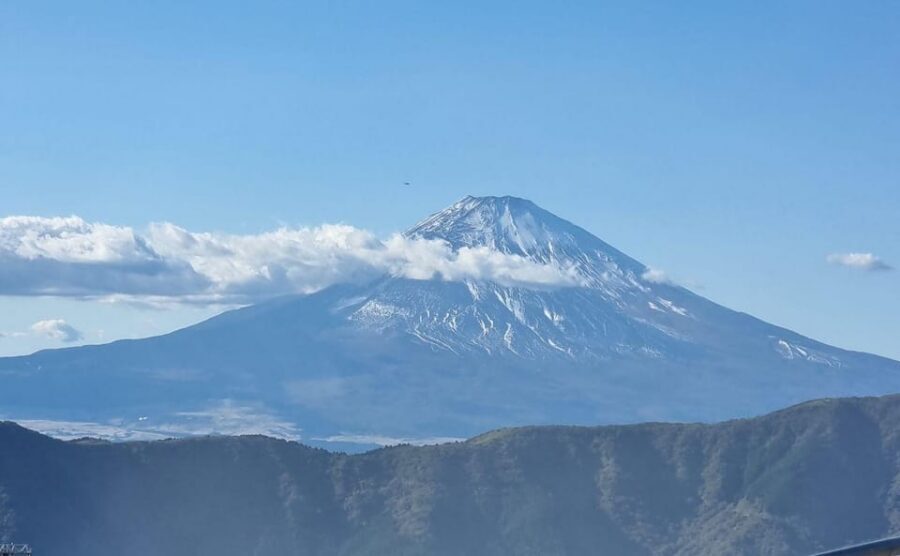
This tour is built for international visitors and runs on a weather-sensitive route. Weather can be unpredictable around Mt. Fuji, and depending on conditions like heavy rain, fog, or high humidity, Mt. Fuji may not be visible.
When something doesn’t operate, the tour includes alternative destinations or activities, such as:
- Lake Kawaguchi cruise
- Mt. Fuji Panoramic Ropeway
- Mishima Skywalk
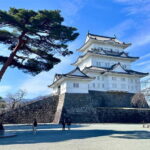
- Odawara Castle
- Hakone-en Aquarium
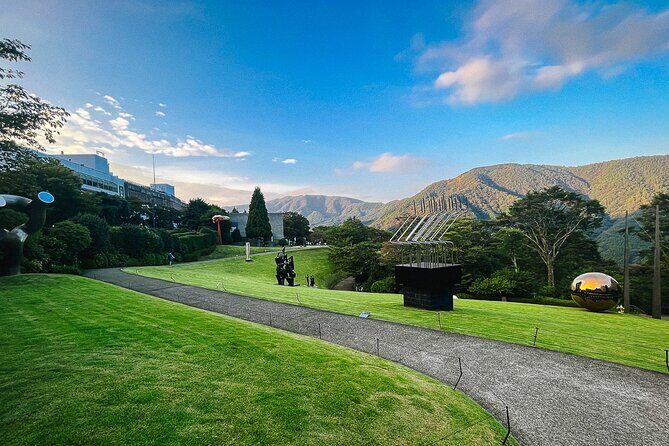
- Narukawa Art Museum
- Hakone Checkpoint
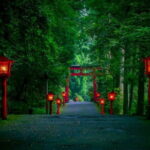
- Hakone Shrine
That flexibility is useful. It means you’re not guaranteed a perfect postcard day, but you still get a full sightseeing loop. The trade-off is that substitutions can reduce the “I wanted exactly this stop” feeling.
The other reality check is time pressure. Even on a normal day, you’re moving through multiple zones in one afternoon/evening cycle. Add traffic into the mix, and some segments can feel compressed. My practical advice: don’t plan to do deep shopping at any one stop. Put photos and key sights first, then do souvenirs only if there’s time.
Price and Value: Why $92 Can Be a Good Deal
At about $92 per person for an 11-hour day, this isn’t a budget-only tour, but it also isn’t just paying for a bus. Your included items typically cover:
- Air-conditioned bus
- Live English tour guide
- Hakone Ropeway ticket
- Lake Ashi cruise ticket
- Lunch if you choose the lunch option
- Transportation back toward Tokyo (with typical duration noted)
That package matters because it can be expensive and time-consuming to stitch together these pieces yourself, especially if you don’t want to manage tickets and route timing. You’re paying for coordination, transportation, and admissions-like components tied to ropeway and cruise.
What’s not included is also important: drinks, and hotel pickup/drop-off. So you’ll want to account for that if you’re budgeting tight. The meeting point is also listed as varying by option, so you should confirm where you’re actually meeting each day.
Wheelchairs and Getting Around: Straight Talk Before You Book
Wheelchair access is addressed for sightseeing spots on this tour, which is a strong plus. The tour notes that standard tour buses are not equipped with wheelchair lifts or ramps. Folding wheelchairs can generally be stored in the luggage compartment, while electric wheelchairs may not fit due to size and weight limits.
If you need mobility support, it’s smart to inform the operator at booking time so they can plan the right setup. This isn’t the kind of trip where you want to assume everything will work at the last minute.
Return to Tokyo: Bus Back, Optional Drop-Offs, and Your Next Plan
After Hakone, you return to the Tokyo area by bus, with a typical duration of about 120 minutes back toward Tokyo Station. The tour also offers plan options if you want to be dropped off somewhere else, such as Hakone-Yumoto or Odawara Station.
This matters if you’re using a JR Pass or you need to connect to another train or destination. Odawara is often a convenient pivot point, and Hakone-Yumoto can also make sense if your hotel is in the Hakone area.
Either way, don’t treat the return like a flexible “hang out later” situation. You’re finishing the loop with the group, and the bus timing is part of what protects the earlier stops.
Should You Book This Tokyo to Mt. Fuji and Hakone Day Trip?
Book it if you want a single day that hits the big visual beats: Mt. Fuji 5th Station, Owakudani by ropeway, and a Lake Ashi cruise. It’s also a good choice if you value an English guide and don’t want to manage ropeway and cruise logistics on your own.
Skip it or rethink if you hate schedule pressure, because time windows at the 5th Station and around the volcano can feel tight, especially with traffic. Also think carefully if air quality or fumes bother your respiratory system, since Owakudani is explicitly described as a geothermal zone with visible emissions.
If you go in with the right expectations, this tour offers solid value for the included transport and sights, and it gives you the kind of Fuji-and-Hakone contrast that’s hard to assemble smoothly without local help.
FAQ
Is lunch included on this Mt. Fuji and Hakone tour?
Lunch is included only if you select the lunch option. The included meal is described as hot pot with a half buffet, served during a 45–60 minute lunch window.
What if Mt. Fuji is not visible due to weather?
The tour warns that Mt. Fuji may not be visible depending on weather like high humidity, heavy rain, and fog. If an activity can’t operate, the tour includes alternative destinations or activities.
What happens if the Hakone Ropeway or another activity does not operate?
If an activity is not operating, the tour will include one of several alternative options, including Lake Kawaguchi cruise, Mt. Fuji Panoramic Ropeway, Mishima Skywalk, Odawara Castle, Hakone-en Aquarium, Narukawa Art Museum, Hakone Checkpoint, or Hakone Shrine.
How long is the tour?
The tour duration is listed as 11 hours for one day.
Where does the tour start and how does pickup work?
The departure meeting point is described as Shinjuku Love Object to the Mt. Fuji area. Hotel pickup and drop-off are not included.
Does the tour help with wheelchair access?
The tour states that all sightseeing spots are wheelchair-accessible, but standard tour buses are not equipped with wheelchair lifts or ramps. Folding wheelchairs can generally be stored in the bus luggage compartment, while electric wheelchairs may not be accommodated due to size and weight.
How do I return to Tokyo after the tour?
You’ll return to Tokyo Station by bus, with a typical duration of 120 minutes. You can also choose plans that drop you at Hakone-Yumoto or Odawara Station.