Fuji and Hakone in one long day. This private Mt. Fuji and Hakone tour strings together famous views and the volcanic heart of Hakone, with pickup and onboard WiFi. I like the small-group setup (up to 9) because it keeps the day easier to manage, and I love how the route mixes big photo stops with real-feeling volcanic steam. The catch is simple: Mt. Fuji might not be visible, depending on weather.
The day starts at 8:00 am and runs about 8 to 10 hours. You’ll ride in an air-conditioned vehicle with bottled water and snacks, plus mobile tickets for convenience. A big part of the experience is the guide. I’ve seen standout service highlighted by guides like Ryu (Outech), Yosuke, Riley (Ryoko), and Tomoya, with an emphasis on clear explanations without drowning you in lectures.
If you’re hoping for a guaranteed Fuji selfie, this isn’t the right bet. But if you want a smooth, well-paced circuit through the Fuji-and-Hakone classics, with a guide who can read the situation, it can be a memorable day.
In This Review
- Key Things I’d Focus On Before You Go
- The Big Picture: What This Tour Hits (and Why It Works)
- Price and Value: When $972.18 Per Group Is a Win
- Morning Logistics: Pickup, Mobile Tickets, and a Clean Start
- Mt. Fuji 5th Station: The Classic Goal, With a Real Weather Reality
- Lake Kawaguchi: Fuji Reflections and a Calm 1-Hour Reset
- Owakudani Valley: Where Hakone Feels Alive (Steam, Sulfur, Craters)
- Hakone Ropeway: Worth It, But Plan for the Extra Ticket
- Hakone Shrine and Kuzuryu Shrine: The Torii-Lake Feel
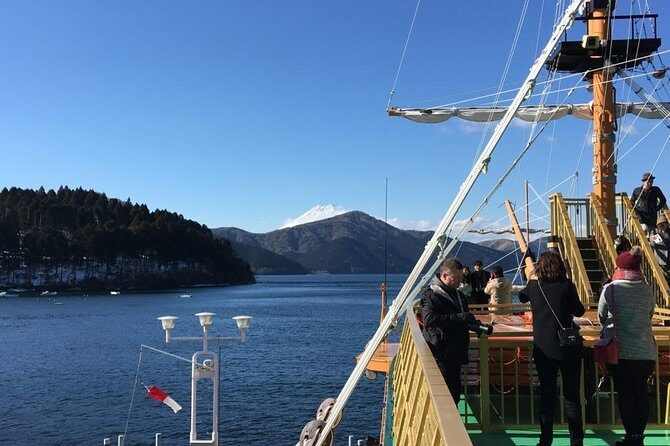
- Lake Ashinoko Sightseeing Ship: The Pirate-Ship Cruise Add-On
- Guide Quality and Comfort: Why Some Days Feel Effortless
- Who This Tour Is Best For
- Should You Book This Mt. Fuji and Hakone Tour?
- FAQ
- How long is the Mt. Fuji and Hakone tour?
- What’s included in the tour price?
- Is pickup offered?
- Is the ropeway included?
- Is the sightseeing ship on Lake Ashinoko included?
- Will I definitely see Mt. Fuji?
- How much does it cost for a private group?
- What time does the tour start?
- What is the cancellation window for a full refund?
Key Things I’d Focus On Before You Go
- Mt. Fuji visibility is weather-dependent, so your plan should be flexible in your head.
- Owakudani is the sensory highlight, with sulfurous fumes and the crater history of Hakone’s last eruption.
- Hakone Ropeway is not included, so budget for it if you want the cable-car ride.
- The Lake Ashinoko sightseeing ship is also extra, but it’s the easiest way to get those lake-and-torii views.
- Guide quality matters on a weather day, and the experience is often praised for thoughtful, not-overbearing explanations.
The Big Picture: What This Tour Hits (and Why It Works)
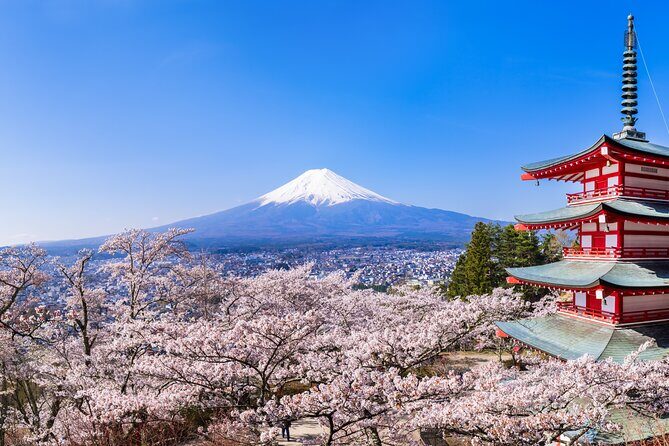
This tour is built around a simple formula: see Mt. Fuji from a few angles, then spend the rest of the day in Hakone’s active volcanic zone and lakeside shrine area. It’s not just “look at signs.” You move through places that each offer a different kind of Hakone and Fuji experience, from lake reflections to steam and crater landscapes.
You start with Mt. Fuji 5th Station (the classic gateway for climbing). Then you pivot to Lake Kawaguchi, where the view can look like Fuji is standing and reflected at the same time. After that, you head into Hakone’s volcanic core at Owakudani, and you finish with shrine views over Lake Ashinoko, plus a sightseeing ship option that’s timed for the best scenery windows.
The reason this routing feels efficient is that it clusters the most famous Fuji views early in the day, when weather and visibility are often more favorable. Later stops are still worth it even if Fuji plays hide-and-seek, because Hakone’s steam valley and shrine-lake views give you something tangible to focus on.
More Mt Fuji & Hakone tours we've reviewed
Price and Value: When $972.18 Per Group Is a Win
The price is $972.18 per group for up to 9 people. That means your cost per person depends heavily on how many seats you fill.
- If you’re a full group of 9, you’re looking at about $108 per person.
- If you’re only 2 people, you’re closer to $486 per person.
That’s the real value math here. This tour is private, and that can be worth paying for if you’re splitting the cost with family or friends. You also get things that add up fast if you were trying to cobble it together yourself: an air-conditioned vehicle, WiFi on board, bottled water, snacks, and a guide who handles the flow of multiple major stops in one day.
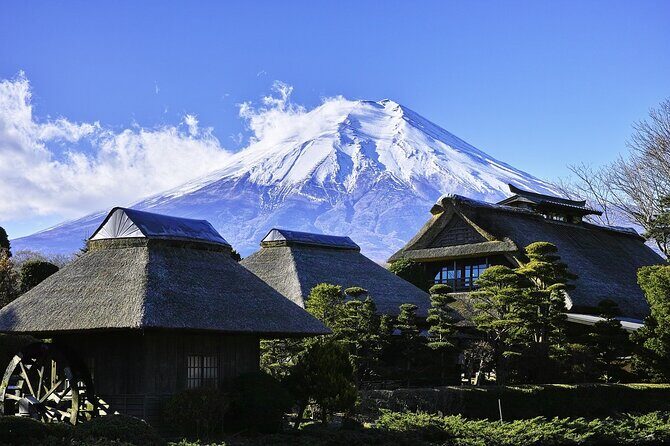
One more value angle: Hakone and Fuji days are weather roulette. A private guide can’t control clouds, but a good guide can adjust the day so you still get a strong lineup. In at least one case, Mt. Fuji visibility led to a swap to Oshino Hakkai instead of proceeding to the 5th Station.
Morning Logistics: Pickup, Mobile Tickets, and a Clean Start
Start time is 8:00 am. You’ll be picked up (pickup is offered), and the tour uses mobile tickets. That matters more than it sounds, because Japan runs on schedules, and you don’t want to lose time finding the right entrance or last-minute paperwork.
The vehicle is air-conditioned and comes with onboard WiFi and bottled water plus snacks. For an 8 to 10 hour outing, that reduces friction. You spend less mental energy tracking logistics and more energy watching the scenery roll by.
The tour is also private, meaning only your group participates. With a small group (up to 9), it’s easier for the guide to keep everyone together and adjust pace when viewpoints are crowded or weather changes.
Mt. Fuji 5th Station: The Classic Goal, With a Real Weather Reality
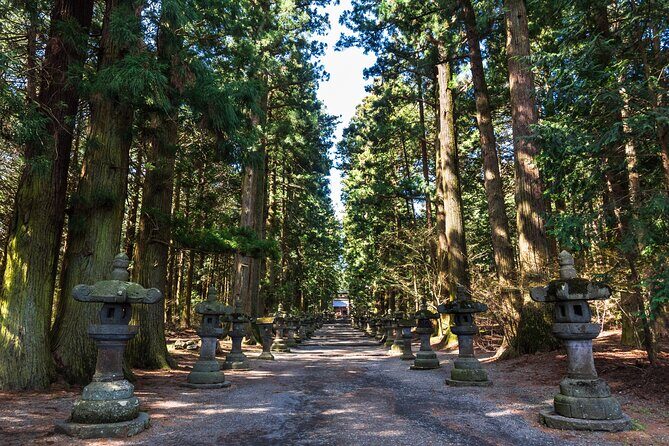
Mt. Fuji 5th Station is the entrance to climbing routes and a major photo stop. Admission here is free, and the stop is designed to give you that “I’m at the gateway to Fuji climbing” feeling.
The timing is built in: it’s about a 2-hour drive from Tokyo to reach the area. From there, you’ll have time at the station to take photos and soak up the mountain atmosphere.
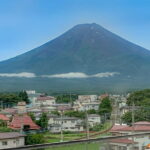
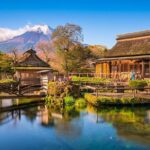
Here’s the important consideration: Mt. Fuji may not be visible. Even if you arrive, clouds can cover the top portion you came for. That exact situation happened for some groups, with an outcome of not proceeding to the station as planned, and in one reported case, the guide shifted to Oshino Hakkai (often paired with the Fuji region).
If Fuji is your top priority, go in with two mindsets:
1) Fuji could show up.
2) You’re still doing a well-built Hakone day if it doesn’t.
That’s how you keep the day from feeling like a disappointment.
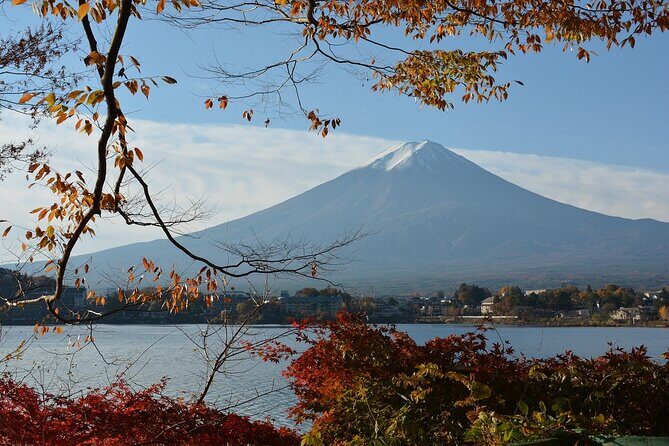
Lake Kawaguchi: Fuji Reflections and a Calm 1-Hour Reset
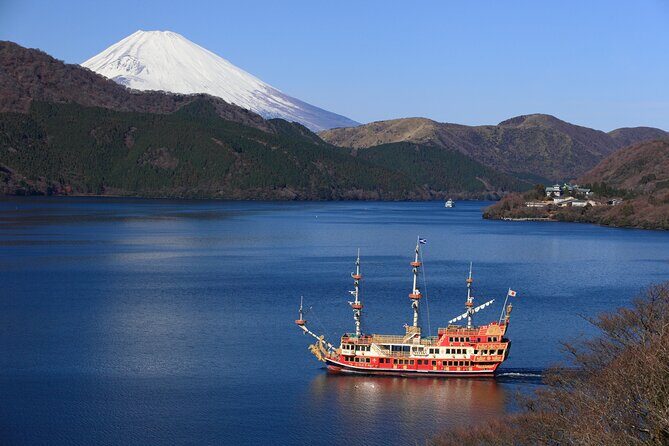
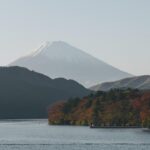
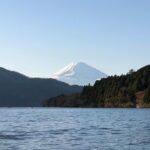
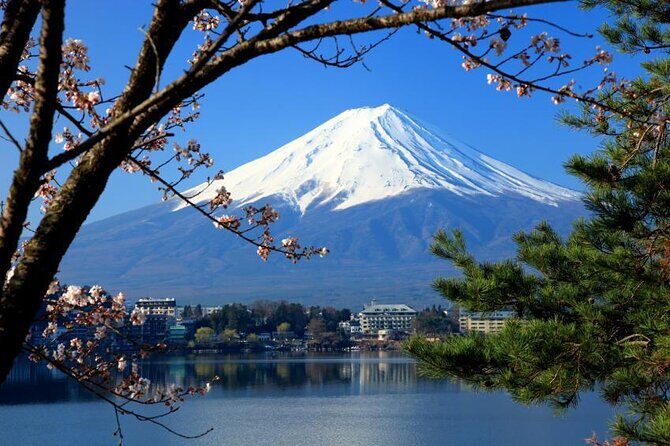
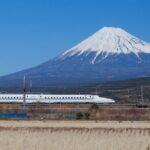
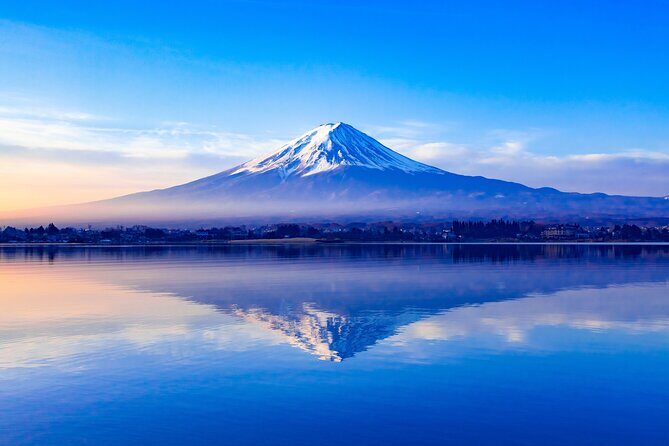
Lake Kawaguchi is your “second chance” for Fuji views, and it has a specific visual trick. You can see Fuji as the mountain itself, and also as an inverted reflection on the water if the conditions are right.
This stop lasts about 1 hour, with admission free. That time is usually enough to walk to the most common viewpoints, take a set of photos, and reset your brain after the earlier mountain stop.
If visibility is good, Lake Kawaguchi is one of the most satisfying ways to get Fuji without battling higher altitude crowds. If visibility is mixed, it still gives you a scenic break and a clear sense of why Lake Ashinoko and Hakone’s lakes matter later in the day.
Other Tokyo + Mt Fuji + Hakone combo tours we've reviewed
Owakudani Valley: Where Hakone Feels Alive (Steam, Sulfur, Craters)
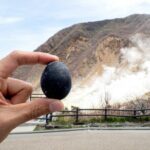
Owakudani is the heart of the volcanic story. The area centers on a crater created in Hakone’s last eruption about 3,000 years ago, and it remains an active volcanic zone. Expect sulfurous fumes and that unmistakable “Hakone is geothermal” feeling.
This portion takes about 2 hours, with admission listed as free for the stop. You’ll have time to move around the valley area and take in the visual and smell-based cues that make Hakone different from a typical countryside day trip.
If you’ve done other day trips where everything feels staged, Owakudani is where Hakone becomes real. It’s not just a viewpoint. It’s an active place where the ground is doing something.
And crucially, Owakudani is one of the stops that still works even when Mt. Fuji is hidden. You’re shifting from “will Fuji appear” to “will I get a good look at Hakone’s volcanic zone,” which are different kinds of success.
Hakone Ropeway: Worth It, But Plan for the Extra Ticket

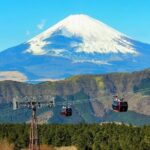
From Owakudani, you can take the Hakone Ropeway to the valley viewpoints around the steaming zone, often described as the Great Boiling Valley experience. The cable car portion is about 30 minutes.
Admission for the ropeway is not included. That means you should treat it as a paid add-on. If you know you want cable-car views, this is one of the easiest extras to budget for in advance so you’re not deciding on the spot.
Why I’d consider it a priority: it changes your vantage point. The valley is already dramatic at ground level, but moving by ropeway gives you another angle on the volcanic terrain, and the ride itself breaks up the walking.
If you’re travel-slow or weather is messy, you can always decide based on conditions once you’re there. But if the day is going smoothly, I’d plan to ride.
Hakone Shrine and Kuzuryu Shrine: The Torii-Lake Feel
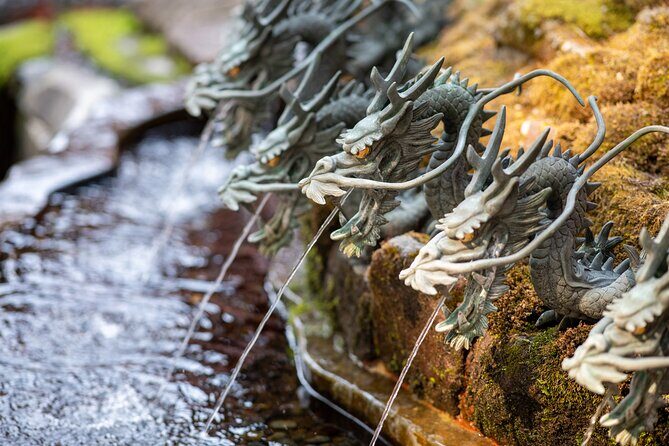
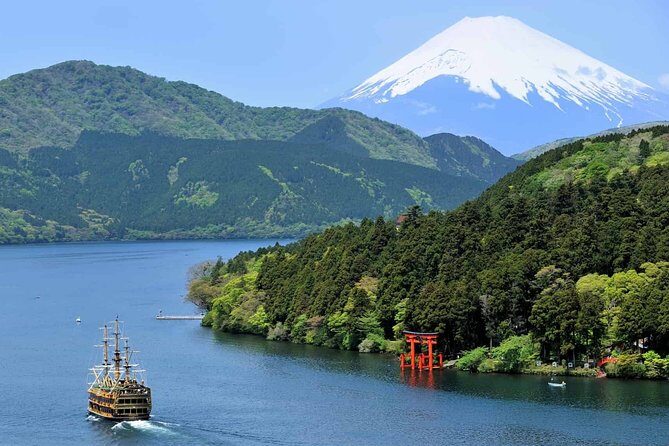
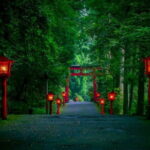
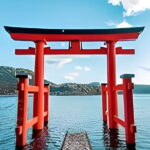
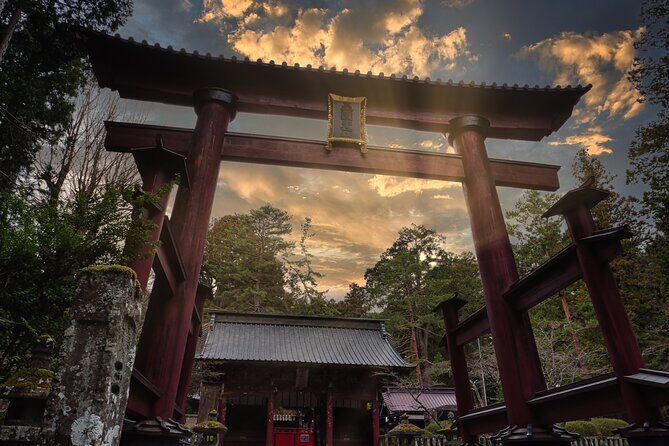
Next up is Hakone Shrine / Kuzuryu Shrine. Hakone Shrine dates to 757, and the area has long been associated with people praying for good outcomes. The shrine’s large gate is a signature feature, and it’s famous for how it looks like it’s floating on Lake Ashinoko.
This stop is about 30 minutes, with admission free. It’s not a long “wander” slot, so come ready to move, take photos efficiently, and enjoy the view angle.
One subtle reason this stop fits well after Owakudani: by then, you’ve already soaked up the geothermal story. The shrine shifts you into the lakeside, spiritual side of Hakone, with calmer water and a clear focal point.
Even if Fuji is absent, the shrine gate and the lake setting still give the classic Hakone postcard look.
Lake Ashinoko Sightseeing Ship: The Pirate-Ship Cruise Add-On
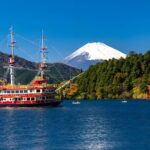
Lake Ashinoko is where your day turns into a “sit back and look” segment. You’ll spend about 3 hours at this stage, and it includes the option of a sightseeing ship cruise.
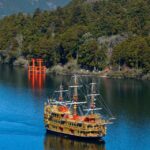
The ship is not included in the tour price. It’s listed as 2,200 yen for adults and 1,110 yen for children under 13. The ship is often described as pirate-ship style, which is exactly the kind of fun detail that makes this part feel like a proper break rather than just more walking.
On a clear day, you can see Mt. Fuji and also the gate of Hakone Shrine from the ship. That’s the payoff many people hope for, because it combines the best scenic elements into one moving viewpoint.
Even when Fuji doesn’t show, the lake cruise still gives you a wider sense of Hakone’s layout. You’re seeing the shrine gate from a different angle, and that keeps the experience from feeling like repeated photo stops.
Guide Quality and Comfort: Why Some Days Feel Effortless
This is one of those tours where the guide can make or break your mood. Multiple guides are highlighted for making the day feel calm and well-organized.
Ryu from Outech is praised for being professional and knowledgeable in a way that doesn’t feel overbearing. Yosuke is credited with showing all the sights with smooth pacing. Riley (also mentioned as Ryoko) is tied to a notably luxurious vehicle experience, and Tomoya is described as speaking English well, even if a bit soft-spoken.
You’ll also benefit from practical support: WiFi on board, water, snacks, and the fact that the tour is private. On a schedule-heavy day with weather uncertainty, those details reduce stress.
The big thing I’d remember: Mt. Fuji weather can change quickly. When you have a good guide, you don’t spend hours stuck “hoping.” You shift attention to what’s working.
Who This Tour Is Best For
This is a strong fit if you:
- Want door-to-door convenience from Tokyo.
- Like structured sightseeing but still want a private pace.
- Are traveling with family or friends and can fill seats for better value.
- Care about both Mt. Fuji views and Hakone’s volcanic atmosphere.
It might be less ideal if you:
- Only want a bargain price and are happy with trains and buses.
- Need Fuji guaranteed in your photos no matter what the weather does.
- Prefer a purely onsen-focused experience (this day emphasizes volcanic scenery and shrine-lake views more than a scheduled onsen soak).
Should You Book This Mt. Fuji and Hakone Tour?
I’d book it if you want a one-day, high-impact circuit that covers the headline Fuji and Hakone sights with comfortable transport and a guide who handles the flow. The private group limit of up to 9 also makes it practical for splitting costs, and the onboard WiFi plus snacks reduce friction on a long day.
I would hesitate only if Fuji visibility is your absolute make-or-break condition. The tour itself makes it clear that Mt. Fuji may not be visible, and the day’s route can change if clouds win. If you’re okay with a day that still feels complete through Hakone’s steam valley, shrine gate views, and the Lake Ashinoko cruise option, then this tour is a good bet.
FAQ
How long is the Mt. Fuji and Hakone tour?
It runs about 8 to 10 hours.
What’s included in the tour price?
Included items are an air-conditioned vehicle, WiFi on board, bottled water, and snacks. Admission tickets are free for Mt. Fuji 5th Station, Lake Kawaguchi, Owakudani, and Hakone Shrine / Kuzuryu Shrine.
Is pickup offered?
Yes. Pickup is offered.
Is the ropeway included?
No. Hakone Ropeway admission is not included.
Is the sightseeing ship on Lake Ashinoko included?
No. The pirate-ship style sightseeing ship is not included, and it costs 2,200 yen for adults and 1,110 yen for children under 13.
Will I definitely see Mt. Fuji?
No. Mt. Fuji may not be visible depending on weather conditions.
How much does it cost for a private group?
The price is $972.18 per group, up to 9 people.
What time does the tour start?
The start time is 8:00 am.
What is the cancellation window for a full refund?
You can cancel up to 24 hours in advance for a full refund. If you cancel less than 24 hours before the start time, you won’t receive a refund.