REVIEW · TOKYO
Tokyo:Mt Fuji & Hakone Day Tour with English Speaking Driver
Book on GetYourGuide →Operated by Tourist Attractions · Bookable on GetYourGuide
A day trip that feels like it’s yours. This private luxury Fuji and Hakone tour mixes an English-speaking driver with big scenery stops and plenty of time to linger for photos. I love the flexible pacing—you can move slow in the places you care about—and I love that the ride includes photo/video help in the car when you need it. One thing to consider: the schedule is tight enough that you’ll want comfy shoes, and seasonal rules can limit how close private vehicles get to the 5th Station.
Instead of a packed bus day, you get a clean, air-conditioned vehicle and an English-capable driver who can help with transitions between viewpoints. I also like that the itinerary mixes famous icons (Fuji views, pagoda viewpoints, shrines) with classic Fuji-area stops and then swings into Hakone for Lake Ashi and volcanic Owakudani. The only real drawback is that you’re not choosing the weather—clouds can steal the best angles, so go in with a photo plan for both clear and hazy days.
If you want Mt Fuji and Hakone in one day without the stress of transfers, this is the kind of plan that can actually work. Just remember it’s about comfort and access, not altitude-style hiking—this tour is not suitable for people with altitude sickness.
In This Review
- Key highlights you’ll care about
- Why a private English-speaking driver changes the Fuji and Hakone day
- Pickup, pacing, and how the 10-hour plan fits real life
- Mt Fuji 5th Station: the view, the guided walk, and the shuttle rule
- Oshino Hakkai and Fuji pagoda/shrine viewpoints: fast classics without wasted time
- Lake Kawaguchi: lunch, boat time, duck boat ride, and Kachi Kachi Ropeway
- Owakudani valley and Hakone ropeway moments: the volcanic wow factor
- Going at your own pace without losing the best photo windows
- Luxury transport details: what you’re paying for (and what you should double-check)
- What’s included vs. what you should budget for
- Who should book this Fuji and Hakone private day tour
- Should you book this private Tokyo to Mt Fuji & Hakone tour?
- FAQ
- How long is the Tokyo to Mt Fuji & Hakone private day tour?
- Where can I get picked up, and is airport pickup available?
- Is the Mount Fuji 5th Station accessible by car?
- What languages is the driver available in?
- What’s included in the tour price?
- Are meals and entry tickets included?
- Is this tour suitable for people with altitude sickness?
Key highlights you’ll care about
- Private luxury transportation with Wi‑Fi, bottled water, parking/tolls handled, and options like Toyota Vellfire, Lexus, Prado, or Crown
- Mt Fuji 5th Station visit with a guided walk/photo stop, plus the seasonal shuttle rule (July 1 to Sep 10)
- Hakone visuals that hit fast: Lake Ashi cruise and ropeway rides tied to Owakudani viewpoints
- Photography support with free picture-taking/video-making help when you need it
- A paced-for-real-day schedule: long enough at viewpoints to get shots, short enough to keep you moving
- English-speaking driver (with additional languages listed) and a flexible “VIP” style route
Why a private English-speaking driver changes the Fuji and Hakone day
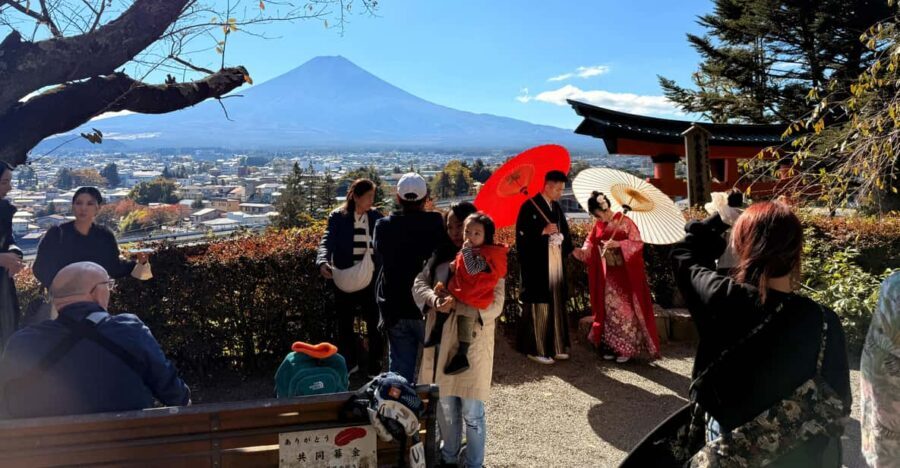
Tokyo to Mt Fuji and Hakone can be a logistics puzzle if you’re using trains and buses all day. The core value here is simple: you’re buying a smooth day. Your driver handles the timing, the roads, and the stop-to-stop transitions, so your energy goes into seeing instead of figuring.
The English-speaking part matters more than most people expect. You can ask quick questions while you’re on the move—what to prioritize, where to stand for better photos, or how long you’ll want at a viewpoint. In feedback for this tour, drivers such as Abdullah, Malik Ali, Hamza, Talal, Aaryan, Sarfy, and Rashib are specifically praised for being friendly, patient, and careful drivers. That’s a big deal on a route where road conditions and crowds can mess with plans.
You should also appreciate the “VIP” nature of this day. Your itinerary is built to hit major sights, but the day doesn’t feel like a rigid checklist. Many people say they never felt rushed. If you’re traveling with a kid who moves slower, or you’re a couple who wants lingering time for photos, that flexibility is the whole point.
More Mt Fuji & Hakone tours we've reviewed
Pickup, pacing, and how the 10-hour plan fits real life
This is an approximately 10-hour day, with pickup and drop-off included from many Tokyo-area neighborhoods. You’ll choose from a long list of pickup options across Tokyo (including areas like Shinjuku, Ginza, Shibuya, Akihabara, Asakusa, and more). The driver meets you at your hotel/apartment/Airbnb address; airport and seaport pickup isn’t available, so you’ll want to be based inside Tokyo’s 23 wards.
Here’s how that time usually feels:
- You’ll start with a hotel-lobby wait: plan to be ready. The driver waits up to 60 minutes for delays.
- You might also run into highway traffic. The tour notes possible driver delays of up to 30 minutes.
- The stops are grouped so you’re not constantly switching plans. Still, expect a busy day.
Because it’s private, you control the pace within each stop. You can usually take more time at places you care about (especially photo viewpoints) and shorten the rest to keep the day comfortable. If you’re the kind of traveler who gets stressed when a schedule is too strict, this tour tends to work better than big-group bus tours.
Mt Fuji 5th Station: the view, the guided walk, and the shuttle rule
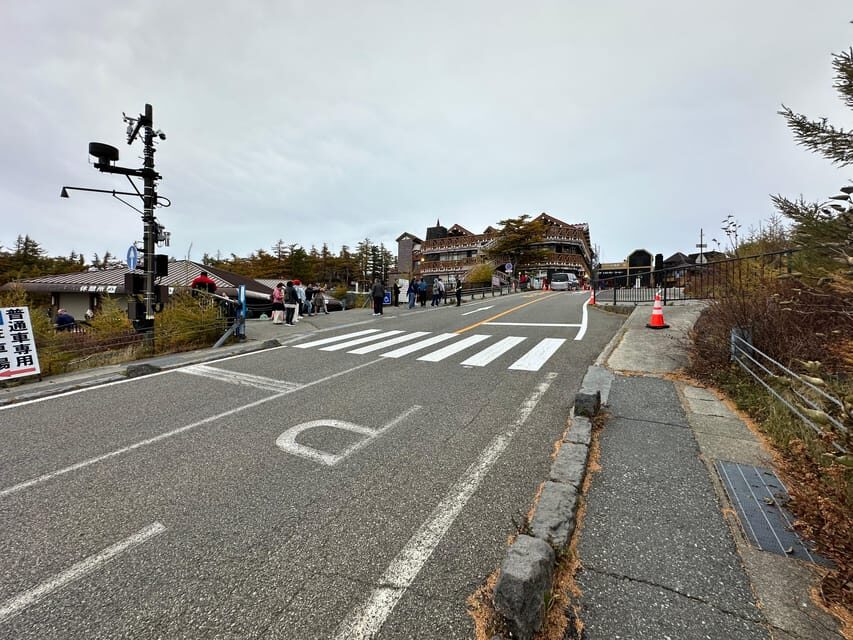
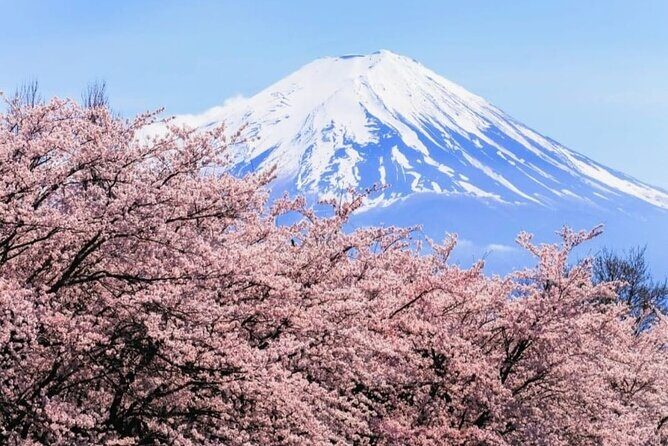
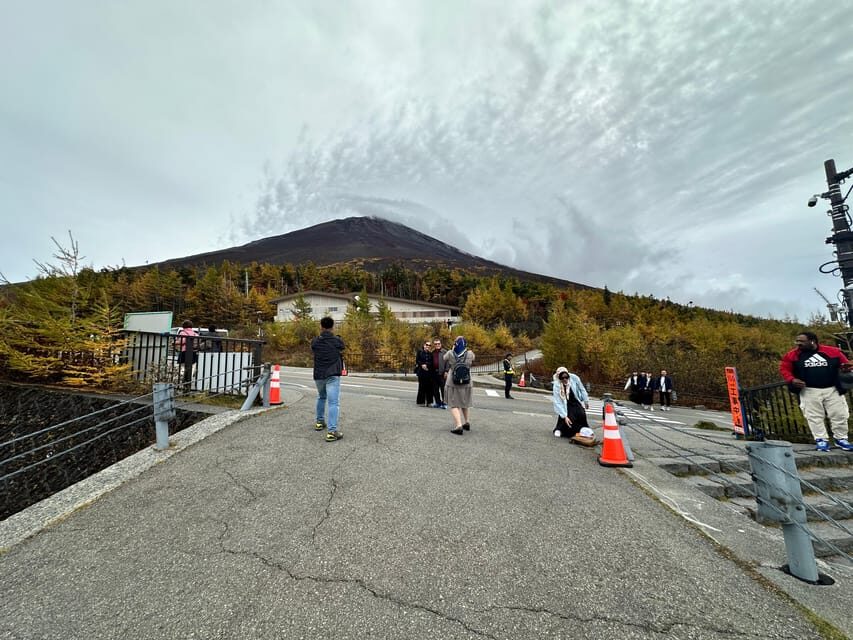
Mt Fuji 5th Station is the emotional center of the day. Even if you’ve seen photos of Fuji a hundred times, standing in the higher viewing zone changes the scale fast. This stop includes a visit guided by staff associated with the area, plus about one hour for a photo stop, guided tour, and walking.
There’s one seasonal rule you need to plan for:
- From July 1 to September 10, private vehicles can’t access the 5th Station.
- You’ll take a shuttle bus from the parking lot for an additional 1,000 yen.
So if you’re traveling in summer peak climbing season, don’t assume you’ll drive right up to the viewing area. In practice, that shuttle adds some time and a bit of walking—but it’s built into how the tour runs during that period.
Also note: the tour isn’t suitable for people with altitude sickness. If you’re prone to it, talk to your doctor before booking anything that includes higher elevation stops.
My practical photo advice: treat Fuji photos as a two-mode problem. Bring patience for clear moments, but also plan for hazy light. The tour’s built-in photography support helps here, since you can ask for assistance with shots when the views are good.
Oshino Hakkai and Fuji pagoda/shrine viewpoints: fast classics without wasted time
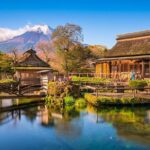
The middle of the Fuji-area loop mixes culture and postcard views. You’ll hit Oshino Hakkai next, with a photo stop, guided tour, and time for shopping and regional food. The tour gives you time to browse rather than just pass through, which is what you want if you’re into small local snacks and browsing.
Then you move toward the iconic viewpoint zones:
- Kitaguchi-hongu Fuji Sengen Shrine (about 30 minutes on-site, photo stop plus guided tour and walking)
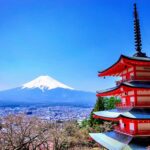
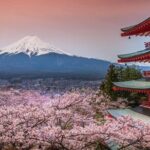
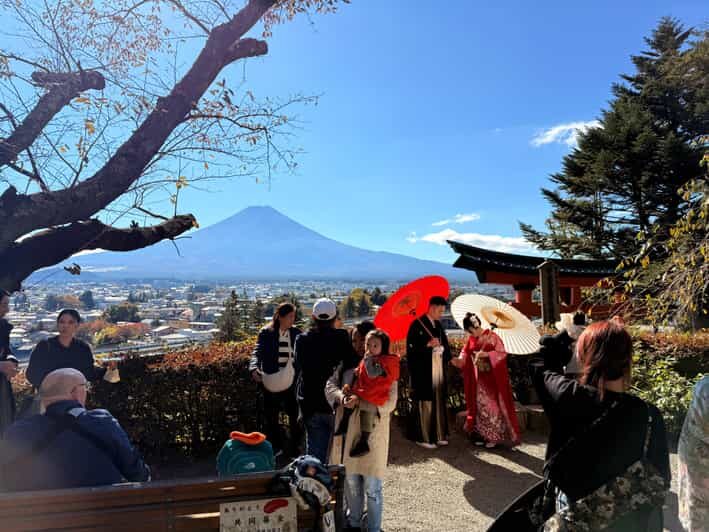
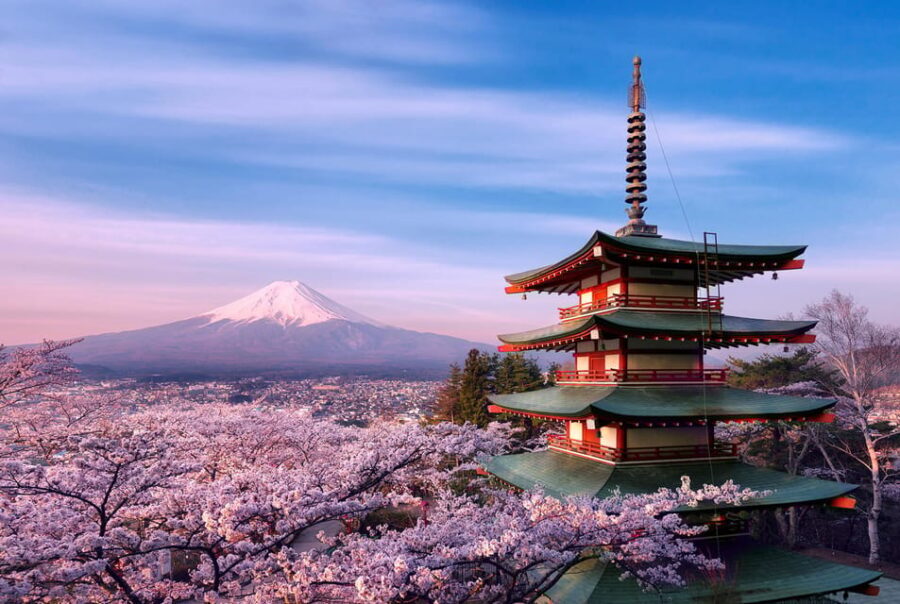
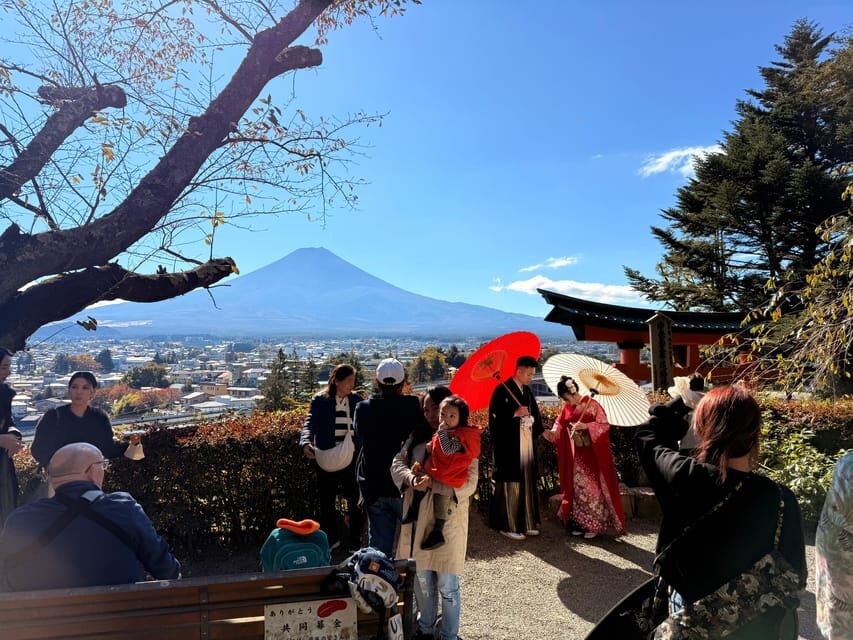
- Chureito Pagoda (about one hour, photo stop plus self-guided sightseeing)
- Arakura Fuji Sengen Shrine (about 20 minutes, photo stop and sightseeing)
What makes these stops work in a private format is that you’re not trapped behind a slow group pace. You can get to the viewpoint area, find your angle, and adjust your timing based on what the clouds are doing. If the light is good, you can take a little extra time. If the clouds roll in, you can move on without feeling stuck.
One consideration: some of these are short, so you’ll want to know your priorities before you arrive. If you want “walk and absorb,” you’ll likely enjoy the shrine areas more. If you’re strictly about photos, focus your time at the big viewpoint locations and use the guided portion to learn the best standing points.
Lake Kawaguchi: lunch, boat time, duck boat ride, and Kachi Kachi Ropeway
This is where the day shifts from pure viewpoint chasing into “do stuff” territory. At Lake Kawaguchi, you’ll have about one hour that includes a photo stop, lunch, a boat cruise, and a duck boat ride. That mix is valuable because not every moment of your day is standing still—your brain gets a break.
Lunch is included in the sense that it’s scheduled, but meals are listed as not included. Practically, that means you should budget for lunch separately. The benefit is that the tour places lunch at a scenic point, not in the middle of nowhere.
After that, you get:
- Mt. Kachi Kachi Ropeway (photo stop + guided tour + cable car ride for about 45 minutes)
- Oishi Park (about 30 minutes of photo stop, guided tour, and a walk)
Ropeway and park time is where you can score alternative Fuji angles. If you’re lucky with weather, the higher viewpoints can give you clearer sight lines. If visibility is weak, the ropeway still helps because it offers different vantage points compared with lake-level views.
Comfort tip: this part of the day can involve walking around viewpoints. Wear shoes you can move in, and keep water handy. The tour provides water, which helps on a full-day plan like this.
Other Tokyo + Mt Fuji + Hakone combo tours we've reviewed
Owakudani valley and Hakone ropeway moments: the volcanic wow factor
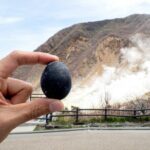
Then comes the Hakone side—often the most memorable because it’s a different mood from Fuji’s classic symmetry. The route includes time at Owakudani Valley, with a photo stop, guided tour, and about one hour on-site.
Owakudani is known for its dramatic volcanic character, and in a day trip context that matters: you feel like you went somewhere genuinely different, not just drove from one scenic spot to another.
The Hakone highlights also include:
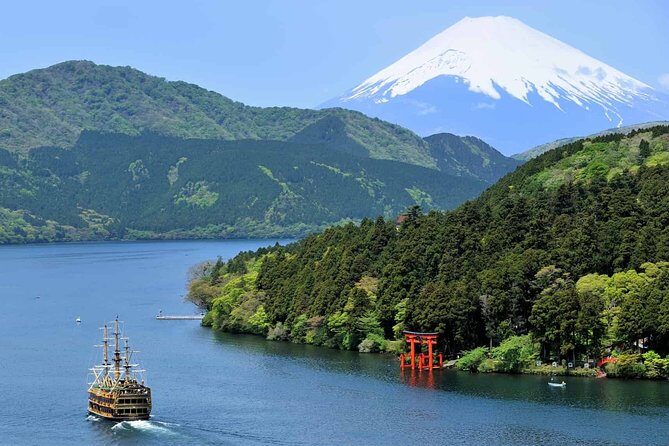
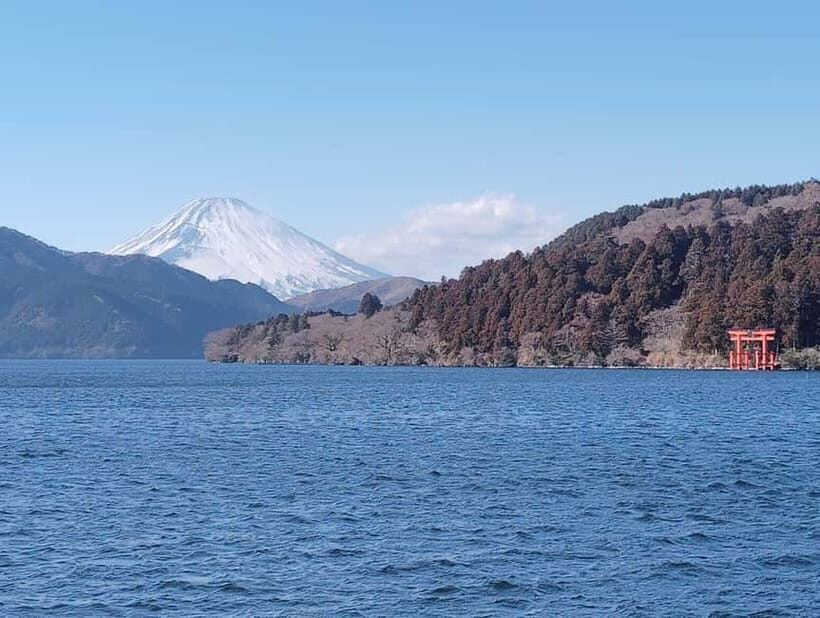
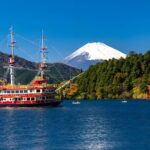
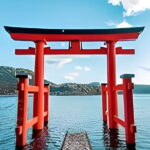
- A Lake Ashi cruise with Fuji as a backdrop (when conditions allow)
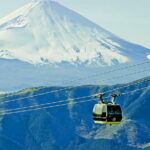
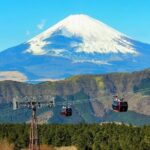
- A Hakone Ropeway ride for views tied to the volcanic region
And since the tour includes time in Hakone’s famous hot spring town, you should expect a slower, more relaxed atmosphere after all the viewpoint hopping. It’s a good counterbalance if you want both “big sights” and downtime in one day.
If you’re traveling in colder months, the Hakone portion can feel like a relief after the earlier walking. If you’re in summer, it can still help to stop for a quiet break and refocus.
Going at your own pace without losing the best photo windows
A private day trip only feels worth it if it doesn’t turn into “you’re free, but you’re lost.” This tour avoids that by keeping the structure. You get a guided component at major spots, and then time that’s self-directed where it helps.
The best way to use that freedom:
- Spend more time in places that match your interests (shrines for culture, lakes for photos and activities).
- Use the guided time to ask practical questions—where to stand, what time of day tends to work, and which angles are worth the extra walk.
- Keep your “must-have photos” list short. With Fuji and Hakone, you can get carried away. The tour timing makes it better to prioritize the top 3 shots you want most.
Also, this is where the photo/video support becomes useful. The tour includes free picture-taking/video-making assistance if needed, so you’re not stuck waving your phone at a busy scenic location.
Luxury transport details: what you’re paying for (and what you should double-check)
The price is $383 per group up to 3 people for a one-day experience. That number can look high if you’re used to cheap public transport. But you’re paying for:
- Private vehicle comfort for the full day
- Fuel, parking, and tolls handled
- Wi‑Fi in the vehicle
- Water
- Multilingual driver availability (English listed, plus Japanese/Hindi/Urdu/Arabic)
- Photo assistance support
If you fill the group limit, the cost per person can drop fast compared with piecing together multiple transfers and paid guides on separate days. If you go as a solo traveler or with two people who hate long drives, it still can be worth it because the alternative often means more coordination and more time spent traveling instead of seeing.
Vehicle examples listed include Toyota Vellfire, Lexus, Prado, or Crown. That’s the kind of detail that usually shows up only when a provider is thinking about comfort, not just getting you from A to B.
Two things to be aware of:
- Entry tickets and paid attractions are not included. You’ll want to budget for any on-site paid components.
- The tour includes a set of rules for the vehicle: no smoking, no alcohol/drugs, and no fireworks. Non-folding wheelchairs aren’t allowed.
What’s included vs. what you should budget for
The included items are practical and day-saving:
- Hotel pickup and drop-off
- Air-conditioned vehicle
- Wi‑Fi in the vehicle
- Private luxury transportation
- Free picture-taking/video-making assistance
- Fuel, parking, and toll charges
- Water
What’s not included:
- Meals
- Any paid ticket entry tickets
- Airport & port pick-up
- Tour guide
That last point is important: you’re getting an English-speaking driver, but not a separate formal guide who stays with you like a museum guide. There are guided components at some stops, but the core “explain and drive” role is the driver.
One more season-based cost to consider: the 5th Station shuttle bus (1,000 yen) during July 1 to Sep 10. If you want Fuji at the 5th Station in that season, assume that extra step.
Who should book this Fuji and Hakone private day tour
This tour makes the most sense for:
- Couples who want a premium day with photo time but don’t want the stress of transit
- Families who need flexible pacing (and don’t want to argue about when to switch trains)
- Small groups of up to 3 who can split the cost and fill the vehicle
It’s also a great fit if you’re the kind of person who likes iconic stops but wants enough time to breathe. The plan hits a lot of famous points, but it doesn’t pretend that one hour at a spot is the same as a slow afternoon. You get that mixture of guided structure and self-paced moments.
Avoid it if you have issues with altitude. The 5th Station visit is part of the highlight, and the tour specifically notes it isn’t suitable for people with altitude sickness.
Should you book this private Tokyo to Mt Fuji & Hakone tour?
Book it if you want maximum value from one day and you care about comfort, timing, and photo access. The private driver setup is the real win: it turns Mt Fuji and Hakone into a manageable plan instead of a day full of transfers.
Skip it (or at least think hard) if you’re traveling during the 5th Station restricted season and you’d rather avoid shuttles, or if you’re sensitive to altitude. Also, if you dislike paying extra for private convenience, public options may feel cheaper—but you’ll work harder to keep the day on track.
If your top priority is a smooth, high-comfort Fuji-and-Hakone day with the freedom to slow down for photos, this is a strong choice.
FAQ
How long is the Tokyo to Mt Fuji & Hakone private day tour?
It lasts about 10 hours.
Where can I get picked up, and is airport pickup available?
Pickup is available from hotels, apartments, and Airbnbs within Tokyo’s 23 wards. Airport and seaport pickup isn’t available.
Is the Mount Fuji 5th Station accessible by car?
From July 1 to September 10, private vehicles cannot access the 5th Station. You’ll need a shuttle bus from the parking lot for an additional 1,000 yen.
What languages is the driver available in?
The driver is listed as English, Japanese, Hindi, Urdu, and Arabic.
What’s included in the tour price?
Included are hotel pickup and drop-off, an air-conditioned private vehicle, Wi‑Fi in the vehicle, fuel/parking/tolls, water, and free picture-taking/video-making assistance if needed.
Are meals and entry tickets included?
Meals aren’t included, and any paid ticket entry attractions are not included either.
Is this tour suitable for people with altitude sickness?
No. It’s not suitable for people with altitude sickness.
If you want, tell me your travel month and group size (1, 2, or 3), and I’ll help you decide whether you’re likely to get clear Fuji views and how to prioritize the photo stops.