REVIEW · TOKYO
Private tour – Scenic Fuji Escape: Hakone, Peace Park & More
Book on Viator →Operated by Mogambo Tours · Bookable on Viator
A full day of Fuji views can be surprisingly rare. This private Scenic Fuji Escape strings together the big-name scenery and a few calmer stops, guided end-to-end. I love the way the route mixes iconic photo stops with meaningful pauses, like the Peace Park and UNESCO shrine area. I also like that you’re not stuck with a crowd—you get pickup, an air-conditioned private ride, and a guide who helps keep the day flowing. One watch-out: if weather rolls in, Mount Fuji can disappear, and some places do involve a bit of walking.
A guide can make or break a Fuji day, and this one is built around that human factor. In particular, the English-speaking guide (often named Puskal) is praised for being friendly, staying on schedule, and helping with pictures at the key spots. The only real drawback is cost: at $465 per group up to 6, it’s best if you can fill your group or you’re okay paying for that private flexibility.
In This Review
- Key moments that drive this trip
- A Private Fuji Day That Feels Built Around You
- Price and Value: What $465 Buys You (Up to 6 People)
- Stop 1: Hakone-machi—Torii Views, Ropeway Time, and Owakudani
- Stop 2: Lake Yamanaka—A Calmer Fuji-Lake Interlude
- Stop 3: Oshino Hakkai—Eight Snowmelt Ponds and That Rural Japanese Feel
- Stop 4: Kitaguchi Hongu Fuji Sengen Jinja—A UNESCO Site Through Giant Cedar Trees
- Stop 5: Fujikawaguchiko—Classic Lake Kawaguchiko Views, Second-Lowest Elevation Energy
- Stop 6: Oishi Park—One of the Best Spots for Fuji + Flowers
- Stop 7: Mt. Fuji 5th Station—High Elevation Without the Full Summit Grind
- Stop 8: Chureito Pagoda—Arakurayama Steps and a Peace Memorial View
- Stop 9: Fuji Bussharito Heiwa Park (Peace Park) in Gotemba—A Stupa With Meaning
- Transportation and Timing: Why Private Pacing Matters on a Fuji Route
- What’s Included vs. What You’ll Pay for Yourself
- Weather Reality: When Fuji Shows Up (and When It Doesn’t)
- Who This Private Fuji Escape Is Best For
- Should You Book This Tour?
- FAQ
- Is this tour private, or will I be grouped with strangers?
- How long is the tour, and how much extra time could cost more?
- What’s the pickup situation in Tokyo?
- Are entrance fees included?
- Does the price include lunch?
- What is the cancellation window for a full refund?
Key moments that drive this trip
- Private guide Puskal-style attention: clear info at each stop and help with photos and finding your way.
- Hakone opener with volcanic drama: Owakudani sulphur springs and the torii-lake shrine area.
- Two lakes for different moods: Lake Yamanaka quiet views, then Kawaguchiko for the classic Fuji angle.
- UNESCO shrine walk through a giant forest: Kitaguchi Hongu Fuji Sengen Jinja’s size and age markers are striking.
- Mt. Fuji 5th Station and the Chureito step climb: high-altitude atmosphere plus a very real 398 steps.
- Gotemba Peace Park adds meaning: the Buddha stupa and memorial symbolism give the day a reflective finish.
A Private Fuji Day That Feels Built Around You
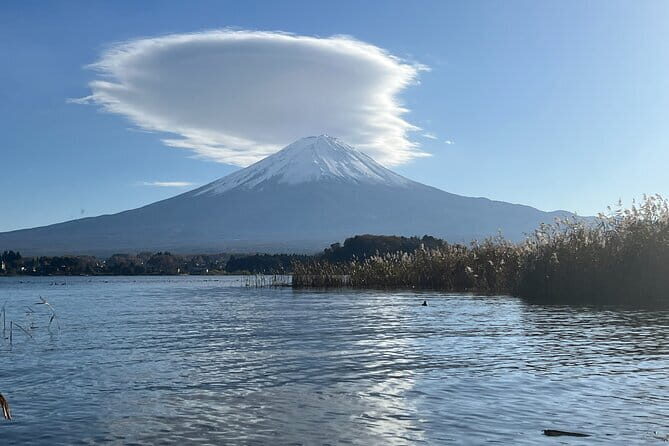
This is the kind of trip where the day’s rhythm matters as much as the scenery. You’re in a private vehicle with an English-speaking guide, with pickup and drop offered, so you’re not spending your morning herding your group onto crowded trains. It’s also designed for a wide variety of tastes: volcano sights, lake time, shrine grounds, and a high-mountain stop.
Because it’s private and limited to your group (up to 6), the guide can adjust the pace to what you care about. That matters on a Fuji route, where daylight and visibility can change fast. If you’re the type who likes time to stop, look, and take photos without rushing, this style fits.
More Mt Fuji & Hakone tours we've reviewed
Price and Value: What $465 Buys You (Up to 6 People)
The price is $465 per group, and the cap is up to 6 people. That can feel steep if you’re traveling solo, but it turns more reasonable if you can split the cost with friends or family. As a rough math check, you’re looking at about $77.50 per person at full group size, which is often cheaper than piecing together separate private transfers plus multiple paid attractions.
What you get for that money is practical: an air-conditioned vehicle, highway charges, pickup and drop, and a guide who stays with you all day. Also, the tour uses a mobile ticket, which is one less thing to juggle while you’re on the move.
Stop 1: Hakone-machi—Torii Views, Ropeway Time, and Owakudani
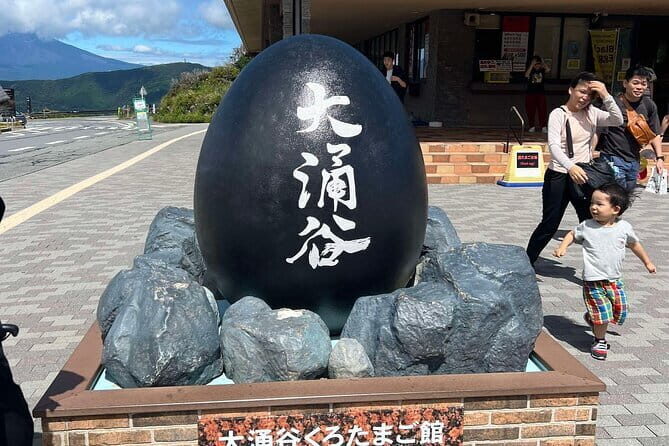
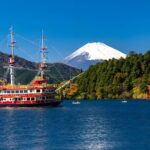
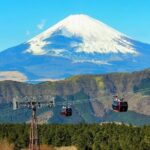
Hakone is a smart place to start because it gives you that Fuji volcano “setup” right away. You’ll be in Hakone-machi, inside Fuji-Hakone-Izu National Park, with views of Mount Fuji plus the classic hot-spring resort feel. It’s also a good first stop because you’re still fresh—before the step count and higher elevation.
This stop is built around a few iconic elements:
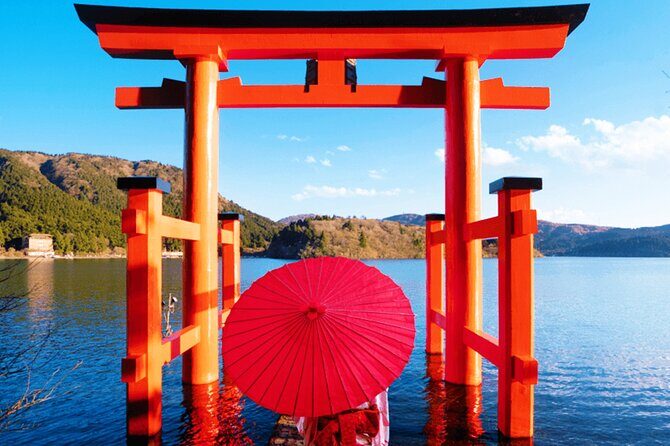
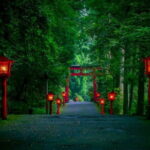
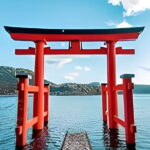
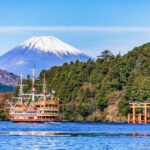
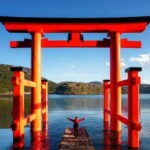
- Hakone Shrine with its red torii gate overlooking Lake Ashi, which you can pair with boat scenery.
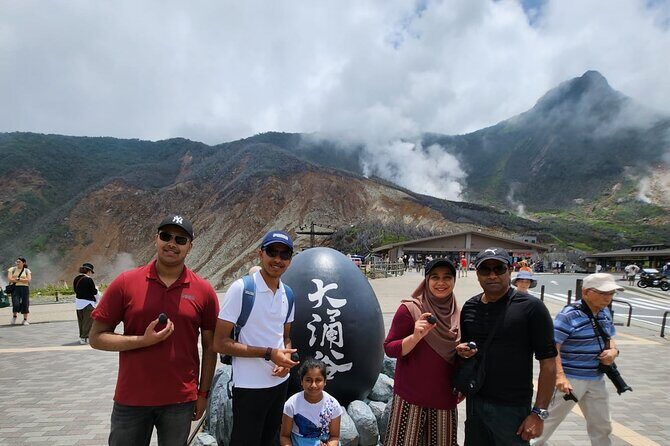
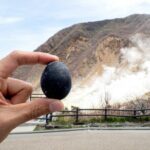
- Owakudani Valley, known for sulphur springs and the volcanic atmosphere.
Even though the listed admission ticket is free for this stop, the real value is in what you’re seeing and how it’s explained. A good guide helps you connect the dots: why this volcanic area looks the way it does, and why the views here feel so “Fuji-adjacent.”
What to watch for: if the day is cloudy, volcanic steam and lake mist can look cool—but they can also hide Fuji’s clean outline. That’s where timing and the guide’s pacing matter.
Stop 2: Lake Yamanaka—A Calmer Fuji-Lake Interlude
Next comes Lake Yamanaka, about a 30-minute stop. This one is about mood: tranquil water, views of Mount Fuji when it’s visible, and easy outdoor options like walking trails. If you’ve had enough temples and step stairs by midday, this lake stop is a nice breather.
Because admission isn’t included and the time is shorter, it’s best used like a reset button. Walk a bit, take your photos, and then keep moving. On Fuji days, you don’t want to spend too long in one spot unless the conditions are perfect.
If the clouds open up: Lake Yamanaka can suddenly reward you with reflections and clear silhouettes. Keep your camera accessible here.
Stop 3: Oshino Hakkai—Eight Snowmelt Ponds and That Rural Japanese Feel
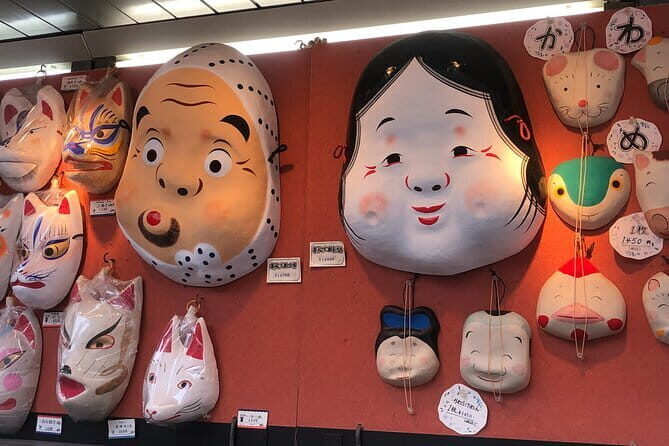
Then you’ll head to Oshino Hakkai, where Mount Fuji snowmelt feeds eight clear, spring-fed ponds. This place has a very distinct vibe: pristine water, that thatched-roof countryside setting, and a slow pace that feels like a step back from the busier Fuji-lake zones.
You’ll get about an hour here. That’s enough time to circle the ponds, watch the water, and soak in the atmosphere without feeling trapped. Admission isn’t included, so you’ll want to be ready for any small on-site fees if you decide you need them.
Potential drawback: if your goal is only the biggest Fuji silhouette photos, this stop is more about water texture and rural scenery than dramatic mountain shots.
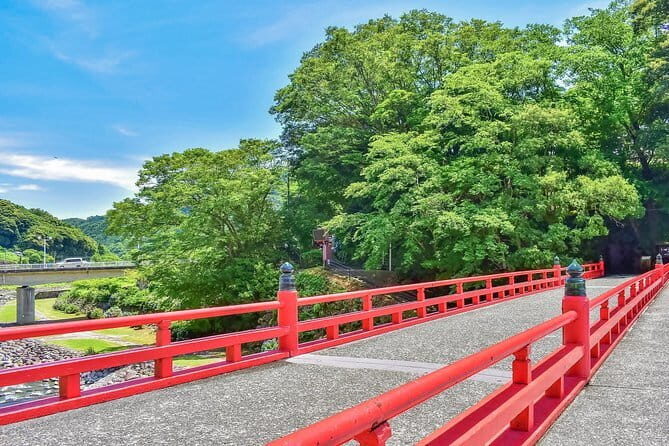
Stop 4: Kitaguchi Hongu Fuji Sengen Jinja—A UNESCO Site Through Giant Cedar Trees
This is one of the most interesting stops on the route, because it’s not just pretty—it’s large and specific. Kitaguchi Hongu Fuji Sengen Jinja is part of the Mt. Fuji UNESCO World Cultural Heritage area, designated in 2013. It’s an Asama shrine dedicated to volcano deities, including Mount Fuji, and it sits within an old-growth forest.
You’ll spend about 45 minutes here, and the setting is a big part of the payoff:
- a long approach lined with mossy stone lanterns
- tall cedar shade
- a precinct area listed as 99,000 square meters
- four trees thought to be around 1,000 years old, with a noted girth measurement
You don’t need to be a shrine expert to enjoy this. The scale makes the place feel lived-in by time. Plus, forest shrines give you a break from sun glare when Fuji is hidden behind clouds.
Stop 5: Fujikawaguchiko—Classic Lake Kawaguchiko Views, Second-Lowest Elevation Energy
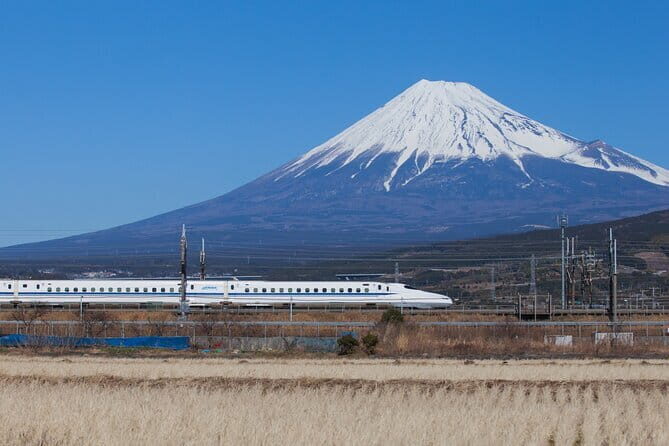
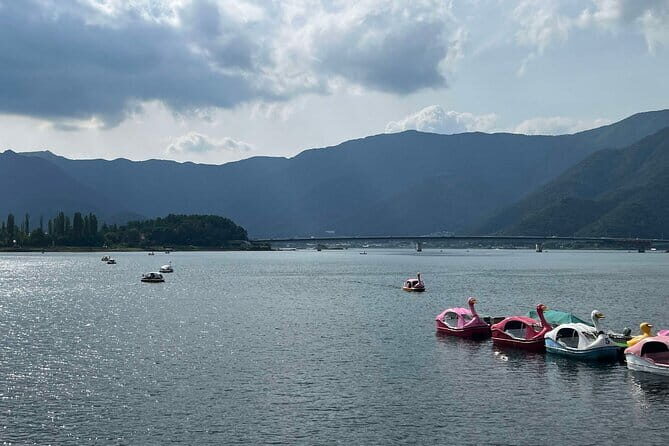
From Oshino to Fujikawaguchiko, you’re moving deeper into the “Fuji Five Lakes” world. Lake Kawaguchi (listed as Fujikawaguchiko) is one of the Fuji Five Lakes and is described as the second largest by surface area and at a lower elevation. Admission here is free on the listing.
This stop is a key pivot point. If you want the classic postcard angles—Fuji over the water—this is where your day starts to earn its name. It’s also tied to the tour description’s lake time, including a cruise component, which is a smart way to see the mountain from a different perspective without you having to plan routes yourself.
Pro tip: keep a light layer handy. Lakeside wind can feel colder, especially if skies are gray.
Stop 6: Oishi Park—One of the Best Spots for Fuji + Flowers
Then you’ll be at Oishi Park for about 45 minutes, and this is where the trip leans into “easy magic.” On a sunny day, this is a place photographers flock to for Mt. Fuji, the lake, and seasonal flowers from early morning.
The promenade is the whole experience here—stroll slowly, pause often, and let the colors do their work. It’s also practical: the park is described as having a large free parking lot, which tells you it’s built for visitors and quick rest stops.
Admission is listed as free for this stop. If you’re visiting during a flowering season, it can be one of the most visually satisfying parts of the whole day.
Stop 7: Mt. Fuji 5th Station—High Elevation Without the Full Summit Grind
Next is Mt. Fuji 5th Station, with about one hour. This is your “close to the mountain” moment. The description frames Fuji as an active volcano, about 3,776 meters high, and around 100 kilometers southwest of Tokyo. It’s also described as a long-time pilgrimage site and one of Japan’s sacred mountains.
You won’t be doing the full summit push here, but that’s often a blessing. The 5th station lets you feel the altitude atmosphere and see the mountain up close enough for that wow factor, without committing to a multi-hour hike plan that depends heavily on conditions.
Admission isn’t included here. If you’re trying to keep your budget tight, check what fees might apply on your specific day.
Fitness note: this is a stop that’s more about stamina and cold/altitude comfort than technical difficulty.
Stop 8: Chureito Pagoda—Arakurayama Steps and a Peace Memorial View
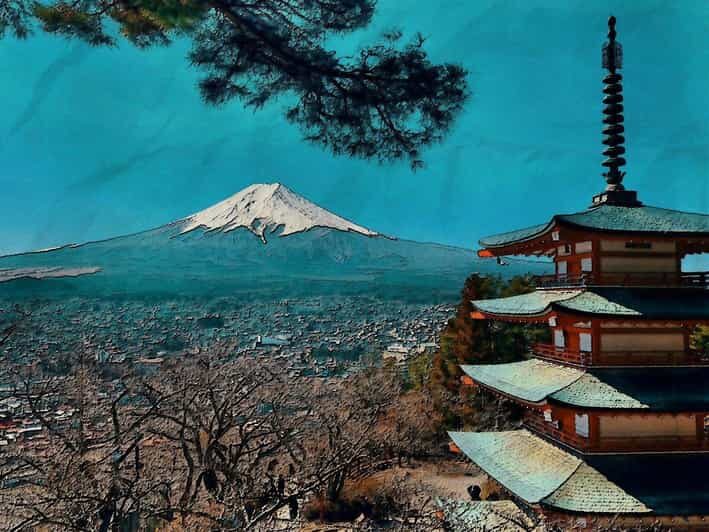
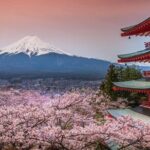
After Mt. Fuji 5th Station, you’ll move to the Chureito Pagoda at Arakurayama Sengen Park. This stop is famous for a reason, but the detail that matters is the approach: you reach it via 398 steps.
The pagoda is part of the Arakura Fuji Sengen Shrine. It was added in 1963 as a peace memorial, and the view is best when weather is clear. Admission is listed as free for this stop.
This is where the “moderate physical fitness” note becomes real in your legs. If you’re not used to stairs, pace yourself and stop to breathe. If your camera battery is dying, this is also a place where you’ll want to plan shots before you start climbing.
Stop 9: Fuji Bussharito Heiwa Park (Peace Park) in Gotemba—A Stupa With Meaning
The final stop is Fuji Bussharito Heiwa Park in Gotemba City, often simply called the Peace Park. It’s described as commanding a beautiful view of Mount Fuji and having a chalky stupa as its centerpiece.
This is not just another scenic stop. The stupa holds Buddha’s ashes presented by late Indian Prime Minister Nehru, and it also includes four golden images of Buddha. In front of the stupa, there are guardian dogs of respective Asian countries lined up, which adds a distinctive, symbolic feel that’s easy to remember.
You’ll have about 45 minutes here, with the park also described as having a pond-circuit-style Japanese garden. Admission is free.
If the day’s weather has been mixed, this final stop can still land well because it’s not dependent purely on Fuji’s visibility. It’s about place, meaning, and the calm of stepping off the sightseeing treadmill.
Transportation and Timing: Why Private Pacing Matters on a Fuji Route
The tour is listed as 9 hours approx., with an additional note that it’s an eight-hour experience and any extra time beyond that may cost more. In plain terms, expect a full day with real travel time plus structured stops.
The private vehicle helps you do two things at once: keep your schedule tight enough to cover the big sights, and still have breathing room at each stop. That balance is hard to achieve on public transit routes, especially when you’re moving between Hakone, multiple lakes, and Gotemba.
Also, the stops are spaced in a way that works for photographers and sight-seekers alike. You hit the Hakone volcanic area early, then shift into lakes and shrines, and finish with a memorial park when the light may be changing.
What’s Included vs. What You’ll Pay for Yourself
Here’s what’s included:
- Air-conditioned vehicle
- English speaking guide
- Pickup and drop
- Private transportation
- Highway charge
- Mobile ticket
Here’s what’s not included:
- Entrance fees
- Lunch
- Tips/gratitude
That’s a pretty typical split, but it matters for planning. Since lunch isn’t included, you can either choose to eat based on where you are in the schedule, or use the guide’s recommendations to pick something sensible. The tour overview also points to enjoying authentic ramen, which is a good “simple plan” if you’re not trying to make lunch a project.
Weather Reality: When Fuji Shows Up (and When It Doesn’t)
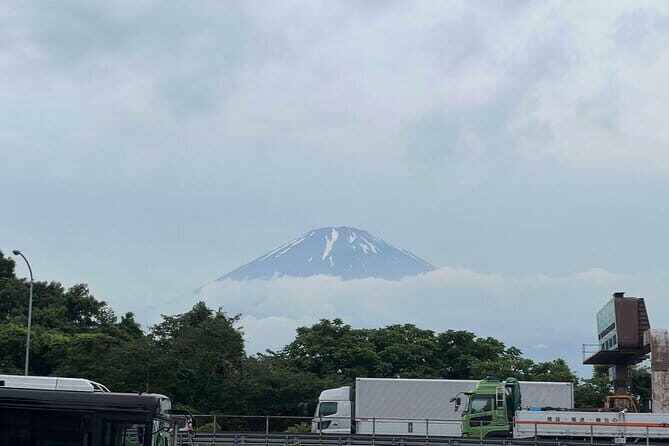
Mount Fuji is famous for being unpredictable on any given day. Even when the forecast looks fine, clouds can roll in during lake or mountain time. The route still makes sense in mixed conditions because it includes plenty of places where the experience isn’t 100 percent dependent on a perfect clear outline.
On cloudy or rainy days, you can shift your mindset. Focus more on texture—pond water, shrine shade, steps, volcanic steam—and less on the “Fuji silhouette postcard.” And because this is private, you can typically move with less friction when the day changes.
Who This Private Fuji Escape Is Best For
This works especially well if you:
- Want a private, guide-led day without the stress of trains and transfers
- Care about both scenic views and cultural stops (shrines and the Peace Park)
- Like having time for photos but don’t want to hunt for the best angle alone
It may not be ideal if you:
- Are traveling solo on a tight budget and don’t have enough people to split the group price
- Hate stairs and steep walking, since Chureito Pagoda includes 398 steps and the Mt. Fuji 5th Station area involves uneven outdoor terrain
Should You Book This Tour?
I’d book it if you want a structured, high-value Fuji day with minimal logistics and a guide who actively helps you get the most out of each stop. The best part is the combination: Hakone’s volcanic start, lakes for different moods, UNESCO shrine depth, and an ending that feels more thoughtful than just photo hopping.
If your group is small and you’re paying the full private rate alone, consider whether you’d rather do public transport and pay less in exchange for more stress. But if you can fill a few seats, this tour price starts to look like a fair trade for a smooth, memorable route—one where Puskal-style guidance and photo help can turn a “just see Fuji” day into something you’ll actually remember.
FAQ
Is this tour private, or will I be grouped with strangers?
This is a private tour. Only your group will participate.
How long is the tour, and how much extra time could cost more?
The tour is listed as about 9 hours in total, and it’s described as an eight-hour experience. Any additional hours beyond that may incur an extra charge.
What’s the pickup situation in Tokyo?
Pickup and drop are offered, and the tour starts in Tokyo and ends back at the meeting point.
Are entrance fees included?
No. Entrance fees are not included, so you’ll want to budget for any ticket costs at specific stops.
Does the price include lunch?
No. Lunch is not included.
What is the cancellation window for a full refund?
You can cancel for a full refund up to 24 hours before the experience’s start time. Within 24 hours, there’s no refund.